
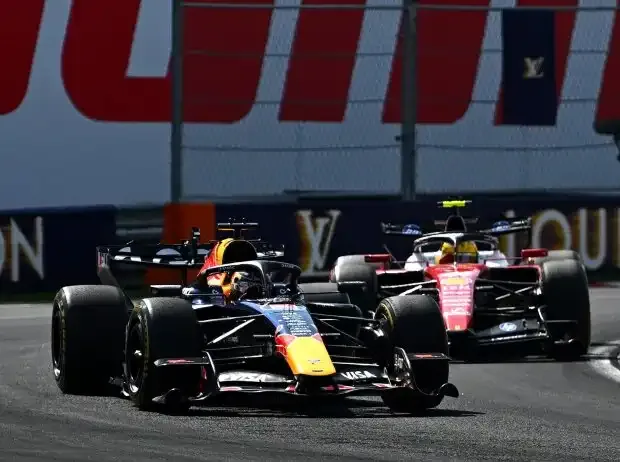
– Among many Formula 1 fans in the paddock, Budapest is one of the most popular travel destinations, at least during the European part of the season. The event is well organized, the traffic is better regulated than in places like Spa, the new pit building – including the media center – is impressive, and the nearby city of Budapest does the rest.
Read more George Russell hopes: As many races as possible this season
The fact that it is the last race before the summer break usually also creates an atmosphere like the last day of school.
Of course, none of this should influence how a race weekend is judged purely from a Formula 1 perspective. The Hungaroring has long been appreciated by drivers for its smooth sequence of corners, but the track has certainly not always provided spectacular racing.
Overtaking has often proven difficult there, with the argument that this says more about the chassis regulations, the ever-growing size of the cars over the years, and the effects of dirty air.
As FIA Formula Sport Director Nikolas Tombazis rightly pointed out, this year’s chassis regulations are a step in the right direction. The cars are somewhat smaller and lighter than those from the ground-effect era, while the reduced downforce means drivers have to fight the cars more than before.
The impact of dirty air has also been reduced, although this is something we have hardly talked about so far. The reason is simple: In the first months of 2026, everything was overshadowed by the power units, with energy management, clipping, and super-clipping being the defining buzzwords.
Photo gallery: Budapest: Driver ratings by Marc Surer and the editorial team
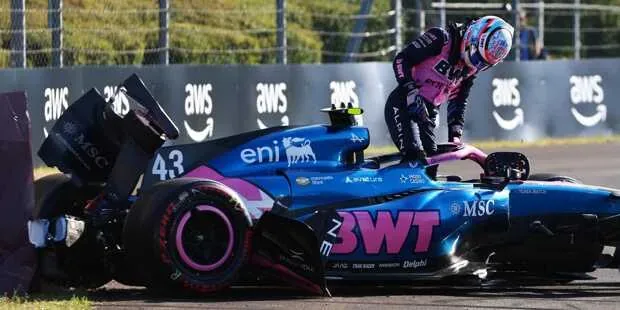
This has led to the absurd situation that the tracks that drivers used to enjoy the most are now the toughest to drive.
Just think of the enormous speed loss in Suzuka’s 130R, how completely different Copse as well as Maggots and Becketts felt for the drivers this year, and Oscar Piastri’s absolutely justified complaints in Spa about the “self-learning algorithms” of the power units.
Real overtaking maneuvers and strategic variety in Hungary
In contrast, tracks that were often considered the most problematic for entertaining races suddenly feel the most natural. Monaco is one such example. Admittedly, there were still no overtaking maneuvers there, but it was refreshing to analyze qualifying data once without having to focus on energy management.
And then there is probably the best example so far: the Hungaroring. The Hungarian Grand Prix offered many of the ingredients that make a Formula 1 race entertaining. Maybe not in the sense of the TikTok generation with 84 overtakes in ten seconds by pressing the boost button, which largely makes them meaningless.
Instead, it was entertaining because of the balance – exactly how Formula 1 should be.
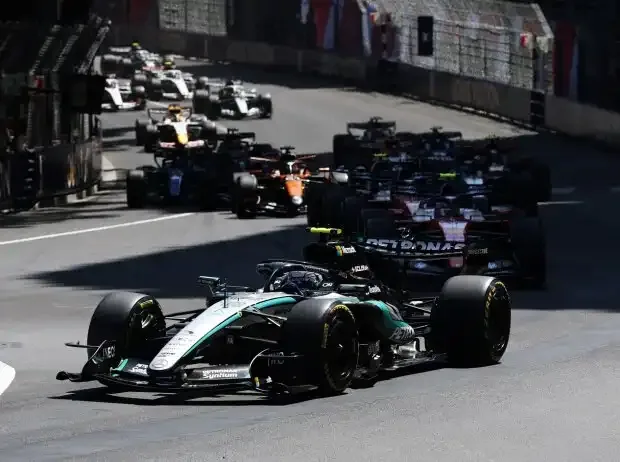
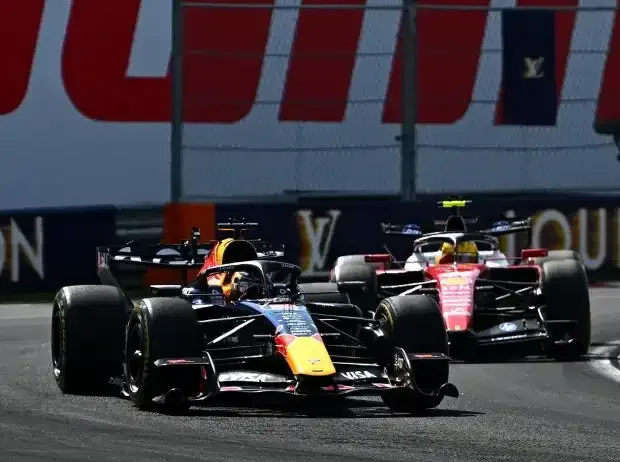
The first stint was exciting as several top teams were relatively close together. Overtaking proved possible, but crucially not too easy. Drivers could attempt overtakes in turn 1, but these maneuvers generally had to be completed on the brakes and not by simply passing with countless extra horsepower on the straight, as we have often seen this year.
The best examples came from Max Verstappen and Lewis Hamilton. Verstappen showed a fantastic move against Hamilton by braking very late into turn 1. Liam Lawson had just moments before been overtaken by both drivers, which gave the New Zealander a place on the front row.
“I was just trying not to get in the way,” Lawson smiles. “I didn’t expect him to go past. Of course, I saw the late attack. In the end, it cost me so much time behind them, which was a bit stressful at the time, but it was a good move. It was a very typical Max move.”
Read more Unvarnished conclusion: Williams set back by several years
Hamilton impressed meanwhile with two overtakes around the outside against Arvid Lindblad and Isack Hadjar. These are the kinds of moves hardcore fans want to see – quite the opposite of what Lando Norris described in Japan, where he said he didn’t even want to overtake Hamilton before the last chicane but effectively had no choice due to his MGU-K power delivery.
Besides these overtakes, Hungary also offered strategic variety. This is something tire supplier Pirelli has long aimed for, and when it actually happens, it adds another layer of fascination to a race.
Three-stop, two-stop, and one-stop strategies all appeared last Sunday, and that is the ideal scenario: giving teams several options that are relatively close in overall race duration, leading to different strategic decisions. Easier said than done – also in Pirelli’s preparation – but in Hungary, all these factors came together.
“It reminds me of the old days”
The drivers shared a similar view after the race. They also felt that the Hungarian Grand Prix showed Formula 1 as it should be – perhaps for one of the few times this year.
“It was nice,” summarized Esteban Ocon. “This side of things, being a bit freer to choose the gears we want to use and the driving style we want, is so much better. It reminds me a bit of the old days. I had a smile on my face from the start to the end of the weekend, so that’s cool.”
That all sounds positive, although the story has another side. The natural racing style seen at the Hungaroring is not possible with the current power units on some of Formula 1’s most iconic tracks. In 2026, these venues have become known as “energy-hungry.”
After the race in Budapest, Hadjar summed up the situation perfectly. According to him, it now largely depends on the energy management characteristics for drivers how much fun a track is.
“It feels good to reach top speed at the end of the straight – back to classic racing. It’s a bit sad that the good tracks are now classified as high-energy tracks. That’s how we rate the tracks now.”
First Sainz, then the gearbox: Piastri curses Hungary I Race F1 Budapest 2026