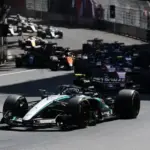
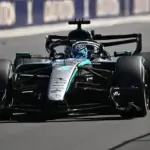


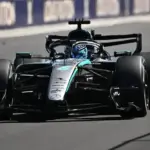


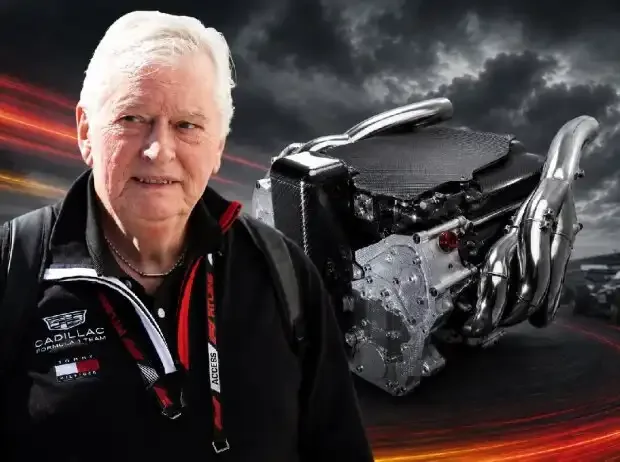
– Longtime Formula 1 engineer Pat Symonds has a clear idea of what the next generation of power units for Grand Prix cars should look like. In a guest article for Autosport, a sister platform of Motorsport-Total.com and Formel1.de at Motorsport Network, he names “three essential points” that future Formula 1 engines must meet from his perspective.
Read more Lewis Hamilton: Without karate, I would have gone off the rails!
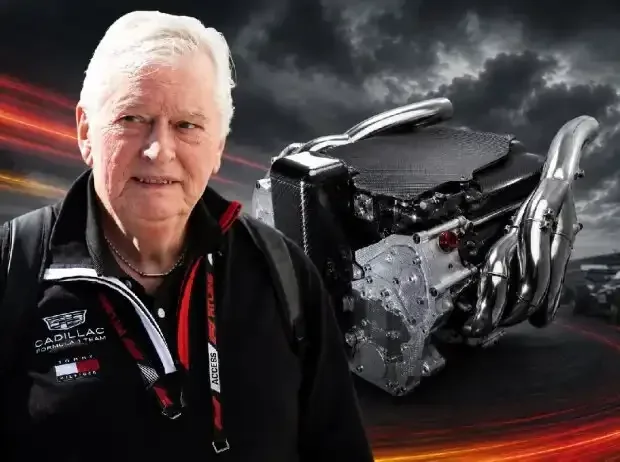
Symonds summarizes: “First, the cost of the power unit should decrease. Second, the regulations should further push the efficiency limits of the internal combustion engine so that the technology remains relevant for manufacturers, without at the same time deterring independent suppliers from entering.”
“Third – and perhaps most importantly – the power unit must evoke emotions. Fans should feel that they have experienced something special: something that brings a smile to their face, something immediately tangible that keeps bringing them back.”
Arguments for returning to a naturally aspirated engine without turbo
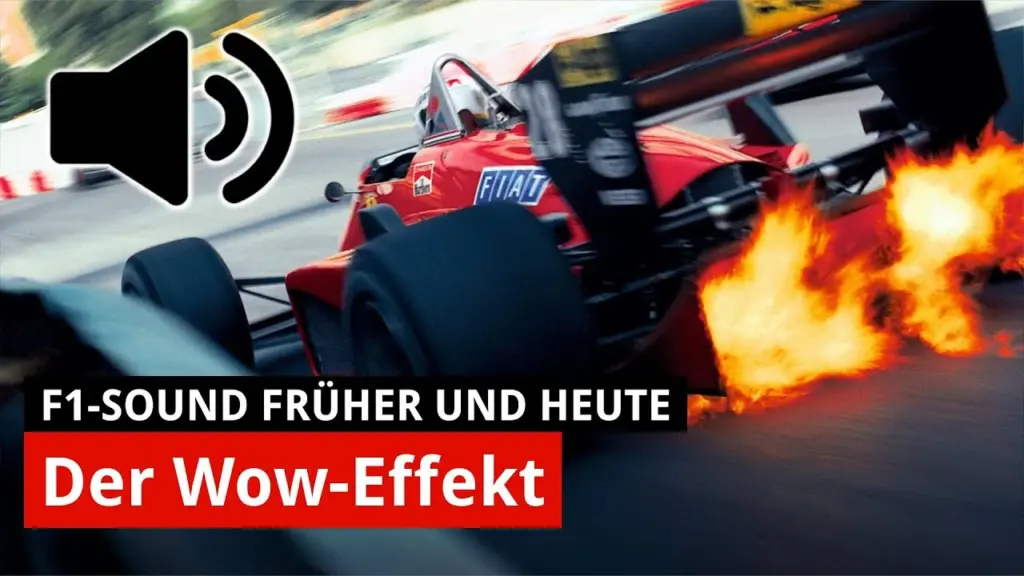
Symonds envisions a “high-revving, loud engine” – but explicitly without a turbocharger, as has been used in Formula 1 engines since 2014. His reasoning: “The efficiency gain from a turbo comes at a price. It dampens the exhaust sound and increases costs and complexity. Above all, it also increases vehicle weight through additional components like intercoolers.”
According to Symonds, this contrasts with the drivers’ demand that the cars should become more agile again. He would therefore rather “accept the efficiency loss by giving up the turbo” if Formula 1 could thereby “regain the pure emotion of a naturally aspirated engine.” Symonds therefore advocates for a classic V8 engine with “at least 750 hp.”
Key question: With hybridization – or without?
Would hybrid components also be excluded in this vision? Symonds denies this: “Many say you should completely do without hybridization, but I disagree. Electrification is part of a modern powertrain. The intelligent combination of the characteristics of electric motor and internal combustion engine leads to a better overall solution.”
Read more Kimi Antonelli confirms: Mercedes accepts engine penalty in Monza!
Nevertheless, Symonds would not simply adopt the current power unit concept. He tends towards a system with “high power but low energy quantity. High power makes sense to support overtaking maneuvers – better than it ever was with the Drag-Reduction System (DRS). But large amounts of energy are not useful for improving lap times,” he explains.
More tactical options through less high-tech?
Symonds would therefore reduce the electric power from the current approximately 350 to 250 kW and limit the electric boost to “about six to eight seconds” per lap. “That would be enough for an overtaking maneuver and at the same time allow smaller and lighter batteries.” Additionally, Symonds considers a boost limit to one third of the race distance appropriate.
He believes: With these measures, the responsibility for tactical decisions would lie more with the drivers again – and not with algorithms in the power unit system that dictate the best possible energy output, or with engineers in the command stand who have access to all data. This is also a recurring criticism of the current Formula 1.
All this would, according to Symonds’ vision, result in a fundamentally new power unit format. Symonds says: “Such a solution could reduce costs, maintain efficiency as a decisive competitive feature, improve racing, and above all bring emotions back to Formula 1.”
Read more Yuki Tsunoda rejects another Formula 1 season as a reserve driver