







– MotoGP stands for speed, precision, and extreme physical strain. When riders accelerate their machines to over 350 km/h, they rely entirely on their gear. And it’s not just about the helmet anymore.
Read more Ferrari disappointment at the home game: «It will be damn hard!»
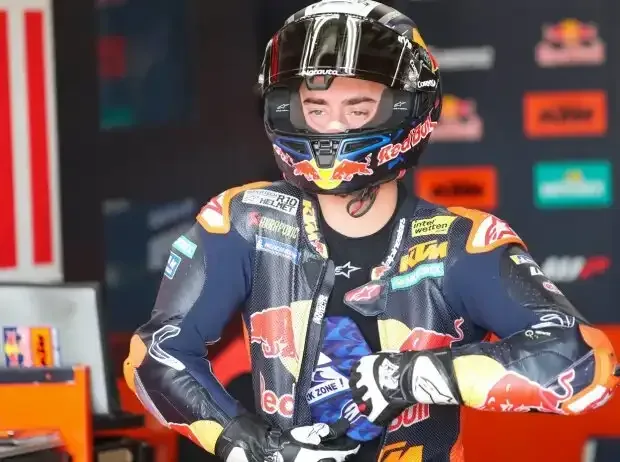
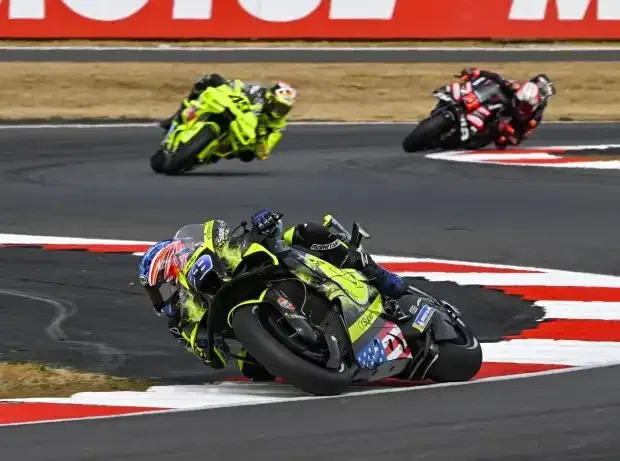
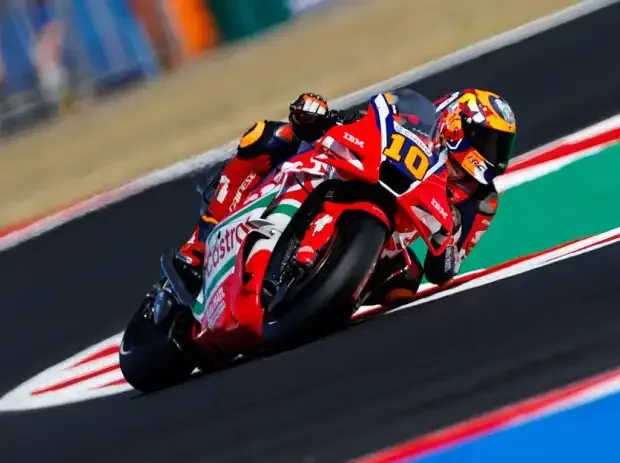
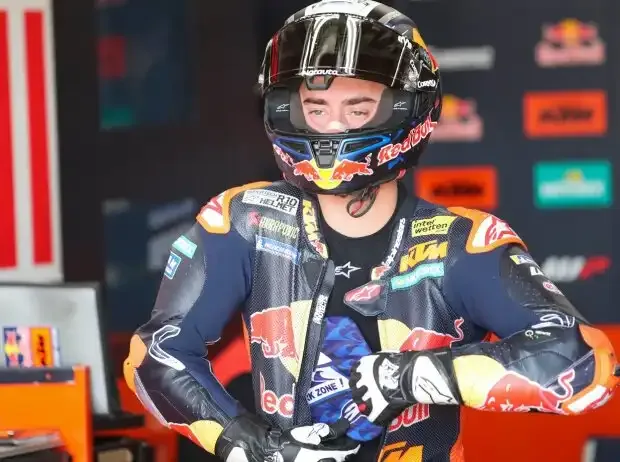
A central role is played by the specially developed leather suit, which not only protects against serious injuries but also supports performance on the motorcycle. This protection is complemented by inconspicuous but indispensable earplugs that safeguard the riders’ hearing and concentration.
High-tech leather suits as life insurance
The leather suits in MotoGP are highly complex protective systems tailored individually to each rider. They are mainly made of kangaroo or cowhide leather, known for its exceptional abrasion resistance.
Especially in crashes, when riders slide over the asphalt or through the gravel trap, this material prevents severe skin injuries and significantly reduces friction.
The outer layer is supplemented by integrated protectors made of modern materials such as carbon or thermoplastic. These are strategically placed on particularly vulnerable body parts like shoulders, elbows, back, and knees.
At the same time, flexible inserts made of Kevlar and aramid fibers ensure that the racing suit offers the rider sufficient freedom of movement despite its robustness. The result is a suit that fits tightly to the body without restricting mobility—a crucial factor for control and riding feel.
Protection in crashes and extreme stresses
Crashes are part of everyday life in MotoGP and place enormous demands on the gear. In the 2025 season, nearly 350 crashes were recorded. Reliable protective clothing is therefore essential. In an accident, high friction forces, heat generation, and massive impact energies act on the body simultaneously.
The leather suit is precisely designed for situations like these. It protects against burns caused by friction, distributes impact forces through integrated protectors, and ensures that sensitive body areas are stabilized if necessary.
Photo series: The motorcycles and teams of the MotoGP season 2026
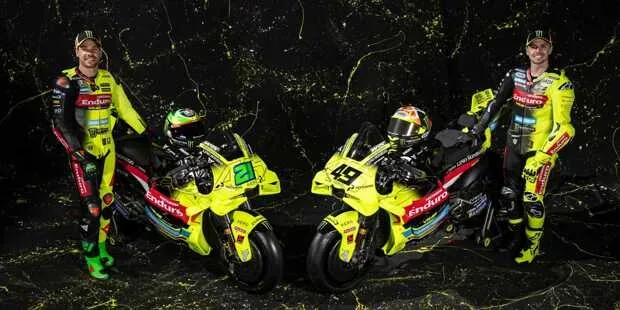
Additionally, special sliders are attached at exposed points such as knees, shoulders, and elbows. These not only help with control in corners but also reduce the strain when contacting the track surface.
Airbag technology: protection in milliseconds
A decisive advancement in safety development is the integrated airbag system. Modern racing suits are equipped with sensors that continuously monitor movements and accelerations. When the system detects a crash, an airbag is deployed within a few milliseconds.
It inflates instantly and protects especially the upper body, including chest, back, shoulders, and neck. By distributing the impact energy, the risk of serious injuries can be significantly reduced.
The necessary technology is usually housed in the characteristic back hump. Originally developed for aerodynamic reasons, it now serves multiple functions.
Read more Formula 1 Live Ticker: The race in Monza live!
Perfect ergonomics for peak performance
Besides the protective function, ergonomics also play a crucial role. MotoGP leather suits are precisely tailored to the riding posture, which is strongly leaned forward and compact. The suits are designed to fit optimally in this position without creating unnecessary tension.
Pre-shaped sleeves, elastic inserts, and an adapted cut ensure that the rider can move freely without having to work against the resistance of the material. This saves energy, which positively affects performance especially over the race distance.
Extreme noise in MotoGP racing
Apart from the physical dangers, MotoGP is also associated with a significant level of noise. The powerful 1000cc engines produce noise levels of up to 130 decibels. This places them in a range that is harmful to health after a very short time.
For comparison: this value corresponds roughly to a jackhammer or a starting airplane at close range. A street motorcycle reaches about 95 decibels.
During a MotoGP race weekend, riders and team members are exposed to these extreme noise levels for many hours. Without suitable protection, this could lead to serious hearing damage in the long term.
Earplugs as the key to concentration
To protect themselves from these stresses, MotoGP riders use specially customized earplugs. These are individually made and significantly reduce noise levels without completely blocking important acoustic signals.
MotoGP helmets in transition: Rossi’s favorites

This is crucial because riders must still be able to acoustically perceive their engine’s RPM or the proximity of other riders on the track. High-quality earplugs enable exactly this balance: they dampen harmful noise but still allow relevant sounds to come through.
Mental strength through less noise
An often underestimated aspect is the mental strain caused by constant noise. The extreme noise environment can significantly impair concentration and lead to faster fatigue. Especially in a sport where decisions must be made in fractions of a second, maximum focus is essential.
Using earplugs reduces this strain, allowing riders to stay focused throughout the entire race distance. This not only contributes to safety but can also be crucial for sporting success.
- Formula 1Pole lost: Max Verstappen interferes in Mercedes tactics
- Porsche Carrera CupHorror crash in the Corkscrew: Porsche flies meters into the bushes
- Formula 1Lando Norris powerless: Was it a foul by Oscar Piastri?
- Formula 1Monza Saturday: Sensational pole for Alpine and McLaren penalty
Without these technologies—leather suits with integrated airbags and highly specialized earplugs—it would hardly be possible to meet the extreme demands of the sport. They ensure that riders can perform at their maximum and make MotoGP not only faster but also significantly safer.
Read more IndyCar Laguna Seca 2026: Mick Schumacher does not get past Q1