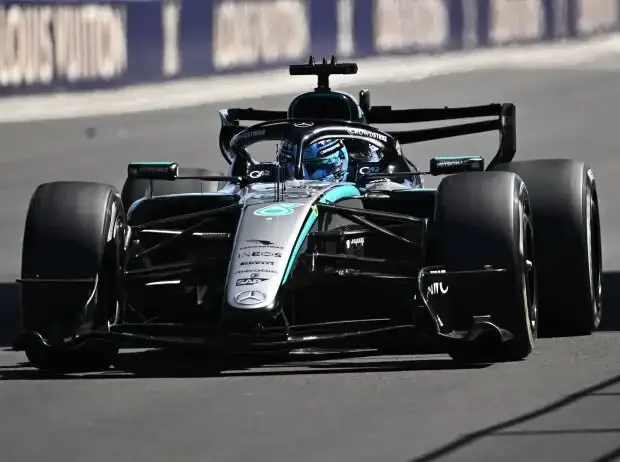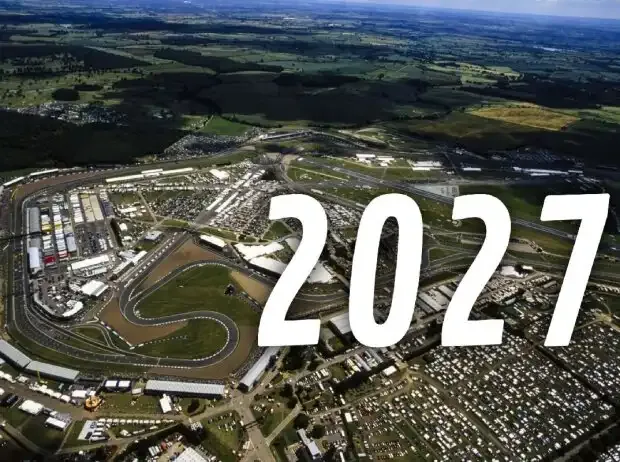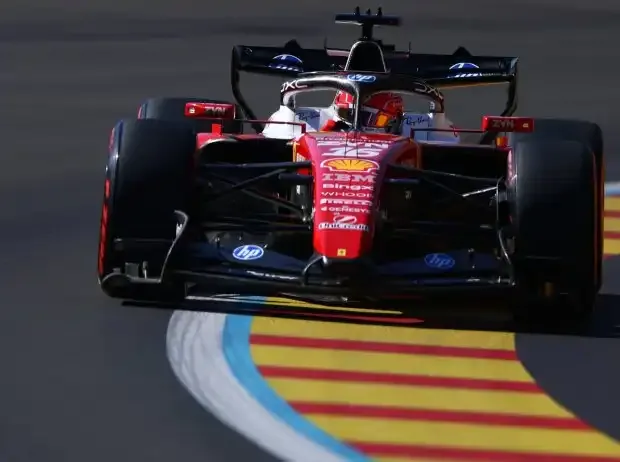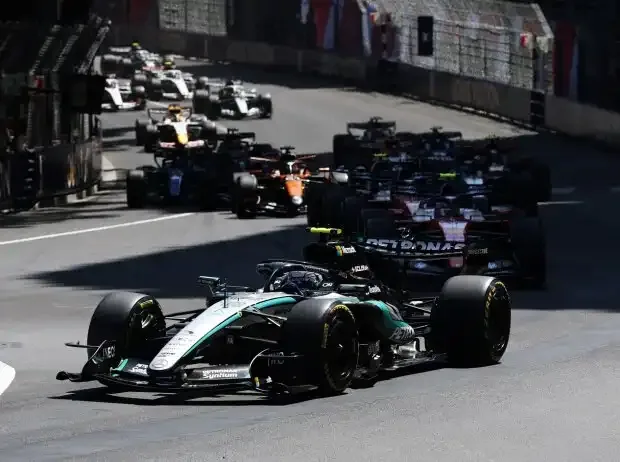

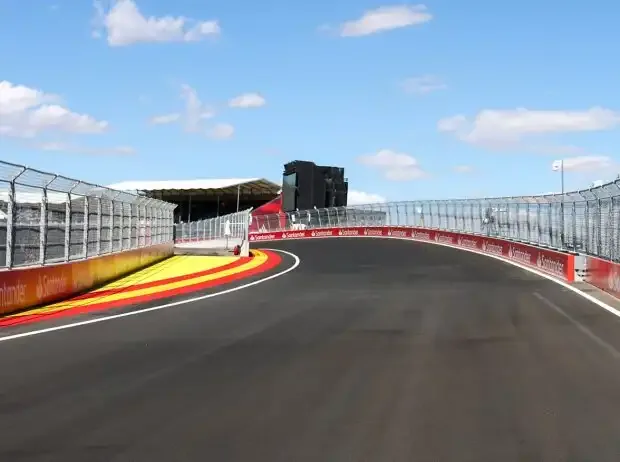
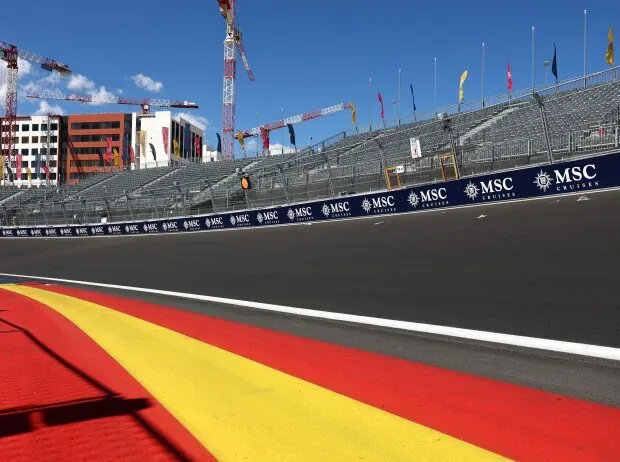
– Formula 1 is visiting the so-called “Madring” for the first time this weekend, the new city circuit around the exhibition grounds in Madrid. While the drivers are looking forward to the new steep curve with 24 percent banking, the engineers view the high loads with mixed feelings.
Read more Despite Monza: Hülkenberg has not given up Audi’s fight against Alpine
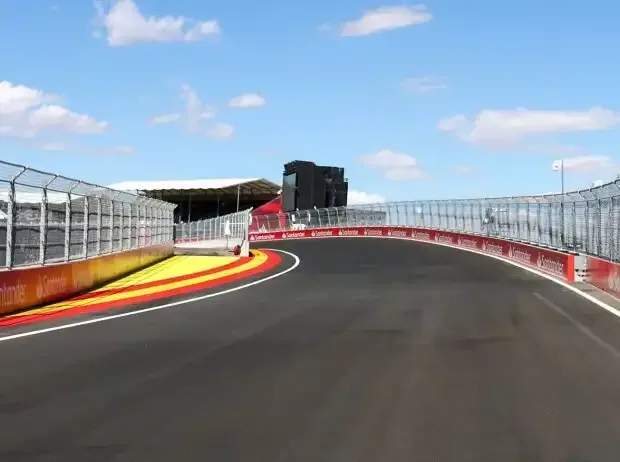
Because “La Monumental” is not the steepest curve in Formula 1 history, but at 550 meters it is the longest: The oval in Indianapolis is flatter, the final curve in Zandvoort, where Max Verstappen crashed this year, is somewhat steeper – but significantly shorter.
Simulations have predicted that the cars will be at full throttle for more than four seconds in “La Monumental.” Pirelli has already stated that grip, not power, is likely to be the limiting factor at this point. Accordingly, the lateral forces acting on tires and chassis will be brutal.
These loads are also expected to affect the mechanical systems of the cars. The unusual forces impact not only the suspension parts but also the hydraulic, cooling, and lubrication systems. And this could become a challenge at the Spanish Grand Prix (here in the live ticker!).
Will Formula 1 face an oil problem on the Madring?
For performance reasons, Formula 1 cars operate at the absolute limit in both cooling and lubrication. The teams work with their suppliers to find, for example, the lowest possible viscosity for the oil to reduce internal power losses.
F1: Spanish Grand Prix (Madrid) 2026
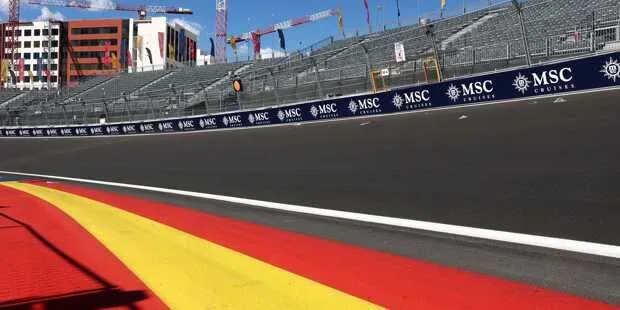
Anything that disrupts this flow can be extremely harmful. The high lateral accelerations in the new steep curve can push the oil inside the engine in unusual directions and thus impair the pump’s ability to draw oil from the usual sources.
The lubrication system is also closely linked to the cooling architecture and thus to aerodynamics: reducing friction simultaneously reduces heat generation, allowing the sidepod openings to be kept as small as possible.
“Yesterday I was at the track and looked at the steep curve,” says Honda chief engineer Shintaro Orihara. “It is quite demanding and interesting. The key point is the lubrication system. We have G-forces laterally and also vertically, which presents quite a challenge for lubrication.”
The teams will have to take this into account already in Friday’s free practice. “We will probably start with a conservative approach to lubrication, then see where we stand and gradually reduce the cooling margins,” Orihara adds.
Read more Fabio Quartararo before Misano: Yamaha dispute resolved, frustration remains
The grip level as a big question mark in Madrid
Added to this is the freshly laid asphalt. Part of the liquid bitumen used to bind the aggregate rises to the surface as it cools, leaving an oily residue. After the chaotic Formula 3 test two weeks ago, the organizers cleaned the track surface again to improve the grip level.
Although all teams had the opportunity to test the track in the simulator, the exact grip level remains uncertain until the cars actually hit the track. Over the course of the weekend, grip will inevitably increase – and with it, the conditions will change from session to session.
“I think the most important thing for all of us – and this applies to every team, including the competition – is that the wheels have to turn in the first and second free practice so that we can optimize the car,” emphasizes Aston Martin racing director Mike Krack.
“We can get a good feel for the grip and how the track develops. And we must not forget that the same applies to the tires: we have to find out which are the best tires for Sunday.”
Teams will “approach things conservatively”
“Therefore, I think a good measure of conservatism at the start is important – not only in the setup, but also in the engine and lubrication we will proceed rather conservatively. This also applies to the car itself: you cannot drive the car extremely low at the beginning, because if you bottom out somewhere and the driver loses the car, the session is over.”
“I think everyone will approach things a bit conservatively at first and then gradually improve,” says Krack. “I always say: the wheels have to turn. Even during yellow or red phases, the rule is: come back, calm down, don’t panic. Even if you lose some time, it is important to keep a cool head.”
- MotoGPAlex Rins rejects Superbike offers and ends motorcycle career
- Formula 1Audi against FIA decision: Why the Monza result is not yet final
- GT World ChallengeHartog heroics: Serious accusations against China GT organizer
- Formula 1September 10, 2006: Michael Schumacher wins in Monza – and retires
“Something could happen on the track, or the FIA might have to adjust something. Of course, we don’t know that, so there are many unknowns at the moment. I think a conservative approach at the start is key – from there we will see.”
Read more Alex Rins rejects Superbike offers and ends motorcycle career