









(Motorsport-Total.com/Motor1) – BYD has ushered in a new phase in the race for charging power with the introduction of “Megawatt Flash Charging” in 2025. The system is designed to enable charging times where a car can go from 10 to 60 percent in just 5 minutes.
Read more Audi A2 e-tron: This is what the base version of the new electric entry-level model offers
Competitors quickly responded with their own solutions beyond the threshold of 1,000 kW. BYD did not rest on this and followed up with a new battery and charging platform for the brands BYD, Denza, Yangwang, and Fangchengbao. Vehicles with the new technology are said to be able to charge from 10 to 97 percent in just 9 minutes – an impressive figure.
One question, however, remained open: How do these extremely short charging times affect the battery’s lifespan?
This has not yet been definitively answered. However, encouraging news came this week. As with most batteries, degradation appears to be less dramatic than many consumers might fear.
30,000 kilometers and 350 fast charges in nine days
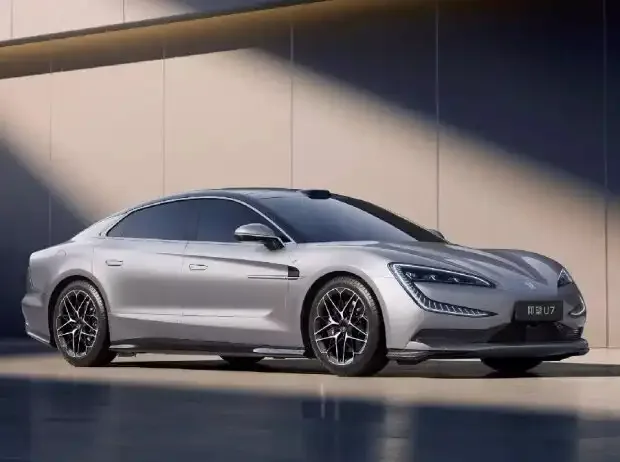
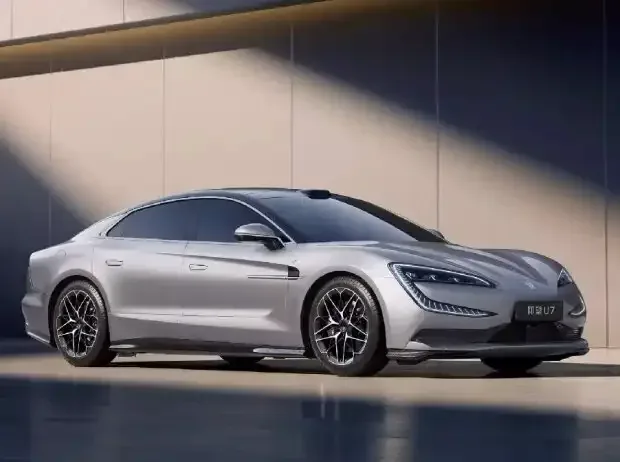
Yangwang subjected its U7 sedan to an exceptionally tough endurance test, as reported by CarNewsChina. According to the company, a randomly selected U7 from a showroom was used – not a specially prepared factory vehicle. On a test track in Nanning, China, the car continuously drove for nine days at 240 km/h. During this time, it covered 30,000 km and required an enormous 350 flash-charging stops, during which the vehicle could each time absorb up to 640 kW.
For a battery, this means an extraordinary strain due to heat generation and charging power. At the end of the test, the company therefore conducted a degradation measurement on the U7. The result: According to the manufacturer, the vehicle still had 98.7 percent of its battery capacity.
Why the result is relevant for battery lifespan
This is particularly interesting because battery degradation is typically strongest at the beginning of its lifecycle. Usually, it is initially higher and then levels off. If the first 30,000 km under such intense conditions were completed with such a low capacity loss, this certainly speaks for the vehicle’s long-term durability.
Read more Yuki Tsunoda talks about his toughest F1 year: «I did not enjoy my life»
Additionally, the U7 completed the test at an average temperature of 36 °C. High speeds, high ambient temperatures, and high charging power place significant stress on a battery’s thermal management.
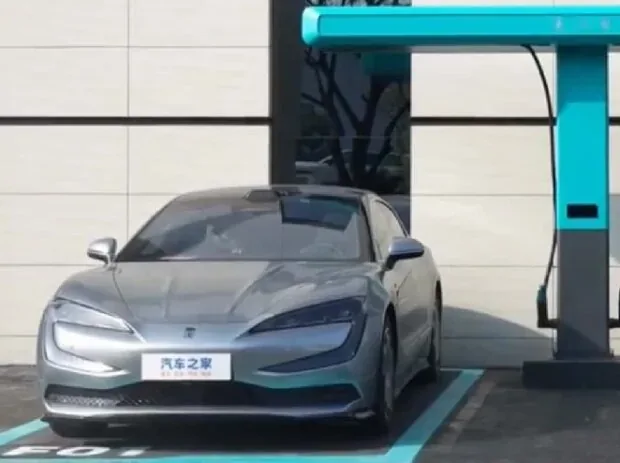
For safety, durability, and performance reasons, the cells must be kept within a defined temperature window. Apparently, the U7’s system managed this task: The car maintained an exceptional pace even after days of high speed and charging sessions at high temperatures. This suggests that the rapid degradation expected in vehicles whose battery temperature is not adequately regulated is not likely.
However, one should not draw overly optimistic conclusions from this. Temperature and fast charging do increase degradation, but calendar aging also plays an important role. How well a battery holds up over the years can only be assessed once enough time has actually passed.
This is a fundamental limitation with any new product. How reliable a car really is only becomes apparent after it has been on the market for several years. However, tests like this demonstrate that with the right thermal management, high thermal stresses during fast charging can be controlled. As long as it works as intended, degradation should not be significantly greater than in vehicles with lower charging power.
At least in theory. How it looks in practice will only time tell.
More from BYD
BYD extends E-Bonus until September with up to 21,010 euros discount
Europe’s first 1,500 kW charging station inaugurated in Bavaria
Read more Porsche look, VW engine: Rally One reveals its car for the WRC 2027