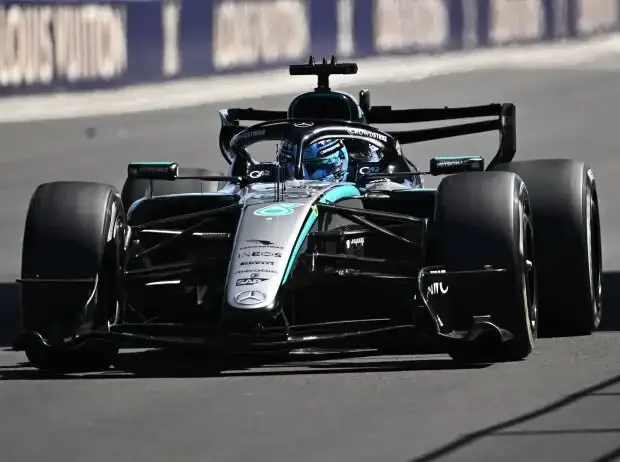









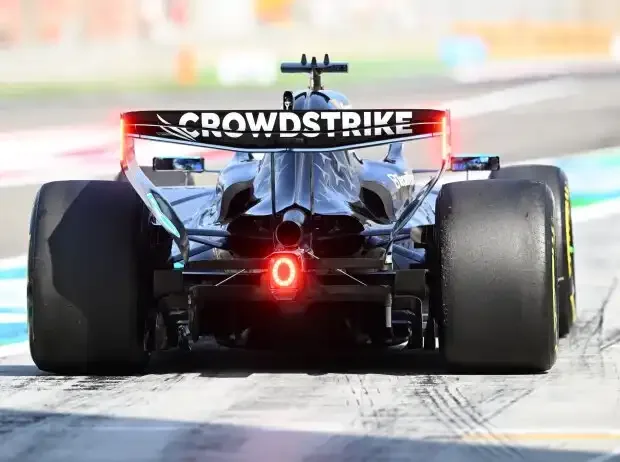
– Shortly before the 2026 season opener in Australia, Formula 1 engine manufacturers and the world governing body FIA have reached a compromise. This is intended to settle the debate over the compression ratio of the new power units, which dominated pre-season testing.
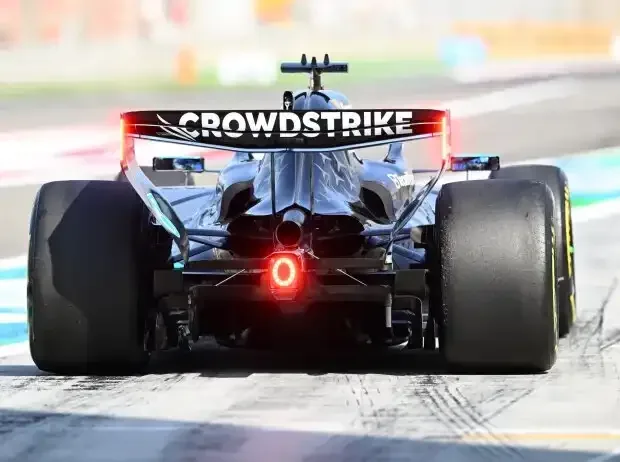
As the FIA announced on Saturday morning, all manufacturers voted unanimously for a change in the measurement methodology. These adjustments will come into force as early as June 1st. The background to the discussion is the maximum compression ratio of 16:1 for the V6 internal combustion engines set for the new engine generation. This value was lowered, among other things, to make it easier for newcomers like Audi to enter the racing series.
Recently, however, there were disagreements between the manufacturers. A group led by Audi, which was also joined by Honda and Ferrari, criticized a technical interpretation of the regulations.
This concerned the possibility of keeping the compression ratio at the required 16:1 in a cold, static state, but increasing this value in the hot operating state to generate a significant performance advantage. While Mercedes received assurance that their power units were completely legal, competitors pushed for clarification before the first race.
Two-stage plan comes into force
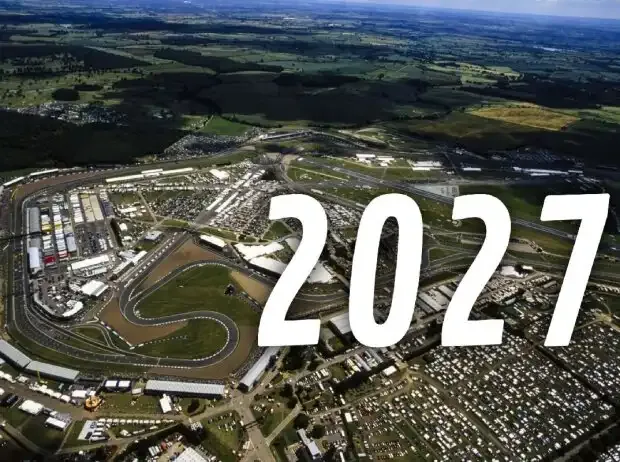
The solution now adopted provides that the compression ratio will be checked in both cold and warm states from June 1st. From the 2027 season, the measurement will take place exclusively in the operating state at 130 degrees Celsius.
Q&A before the season start: Ask your questions about Formula 1 2026!
“Considerable effort has been made to find a solution to the issue of the compression ratio,” an official FIA statement said. “This parameter, which was one of the key fundamental objectives of these regulations to attract newcomers to the sport, is limited to 16:1 in the regulations, measured in the cold state.”
“The FIA has worked on a compromise solution which specifies that the compression ratio will be controlled in both hot and cold states from June 1, 2026, and from 2027 exclusively under operating conditions (130 degrees Celsius).”
Red Bull team principal Laurent Mekies had called for a clear statement from the FIA in the discussion. “Tell us what we are allowed to do, and the rest hardly matters: it is important to have a clear understanding of what is allowed, and then in my opinion every competitor should be free to achieve the result in the way they think is best. This applies not only to the power unit, but to everything,” Mekies told Motorsport.com, a sister publication of Motorsport-Total.com.
Focus on energy management remains
In addition to engine mechanics, the FIA is also keeping an eye on the complex energy management of the 2026 cars. Since the new power units rely much more heavily on electrical power, there are concerns regarding the sometimes extreme energy recovery tactics that drivers will have to use.
“The regulations introduced for 2026 represent one of the biggest changes in recent history,” the FIA continued. “All parties recognize that with the introduction of such significant regulatory changes, collective lessons must be learned from pre-season testing and the first rounds of the 2026 championship. Further evaluations and technical checks on energy management issues are ongoing.”