

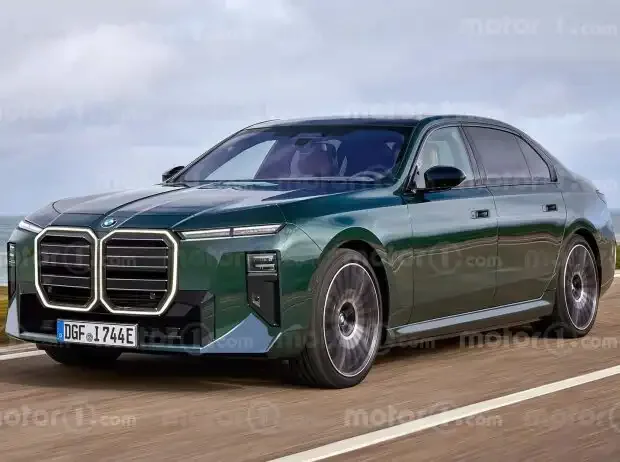
(Motorsport-Total.com/Motor1) – The BMW 7 Series is about to receive a facelift. The model update, expected to debut in a few days, brings targeted improvements without fundamentally altering the design. A design language that has sparked discussions is now considered a fixed part of the model’s identity.
Read more What surprised us the most in the first three races
The most important innovations include revised front details, new onboard technologies, and updated powertrains. The basic idea of the large Bavarian luxury sedan remains intact.
Even sharper design
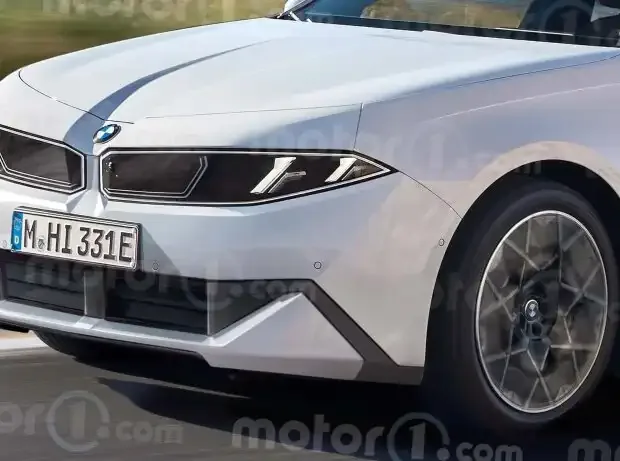
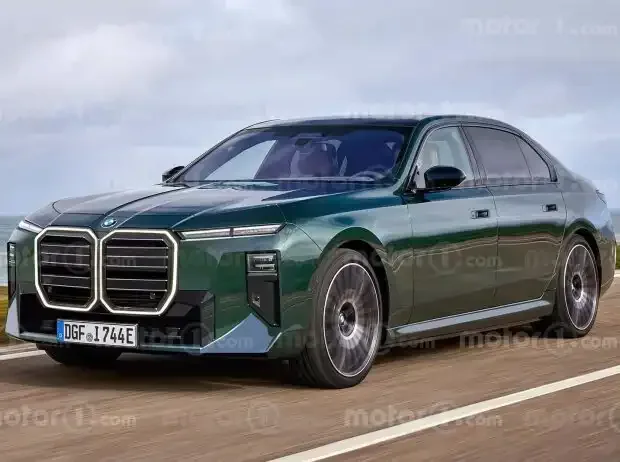
Our rendering, inspired by official teasers and spy photos from recent months, shows: The new 7 Series stays true to the proportions and design language of the current G70 generation. The front continues to be dominated by the large double kidney grille. It evolves with a more angular design and an even more prominent presence, including an illuminated frame.
The split headlights also remain a central feature: The slim upper daytime running lights are fixed, while the main headlights could change their arrangement and be more vertically oriented in the future.
Photo gallery: BMW 7 Series (2026) in rendering by Motor1.com
The flanks and rear are expected to remain almost unchanged. Changes are likely limited to new graphic designs for the taillights and possible adjustments to the bumpers.
Read more Ferrari WEC boss comments: «With secret BoP, part of the story is missing»
What’s new in the interior and powertrains
The most interesting innovations could be inside. The updated 7 Series is expected to introduce the new BMW iDrive X system along with the panoramic display Panoramic Vision. It projects information along the lower windshield base and creates an even more immersive user interface, while the role of the classic instrument cluster recedes further. Updates are also expected for the rear-seat infotainment: The large 8K screen remains and will be supplemented with enhanced functions.
Regarding driver assistance systems, BMW is likely to abandon the development of a Level 3 system and instead rely on a further developed Level 2 platform. This should enable hands-free driving on the highway as well as lane-change assisted maneuvers via gaze detection, based on the electronics architecture of the Neue Klasse.
No fundamental changes are expected in the powertrain. The lineup will likely continue to consist of 48-volt mild-hybrid six-cylinder petrol and diesel engines as well as petrol plug-in hybrids, with improvements in efficiency. The electric i7 variant could benefit from updated batteries with higher energy density and greater range.
- 24h NürburgringLivestream 24h Qualifiers Nürburgring: The races with Max Verstappen live!
- MotoGPAcosta warns: “MotoGP careers are getting shorter and shorter”
- IndyCarIndyCar Long Beach 2026: Mick Schumacher retires in FT1 due to defect
- MotoGPInvented by Ducati, soon banned: The era of holeshot systems
More renderings:
Is this what the new VW T-Roc R with 333 hp looks like?
Jeep Avenger (2027): This is what the facelift could look like
Read more Red Bull without Lambiase: Max Verstappen talks about change