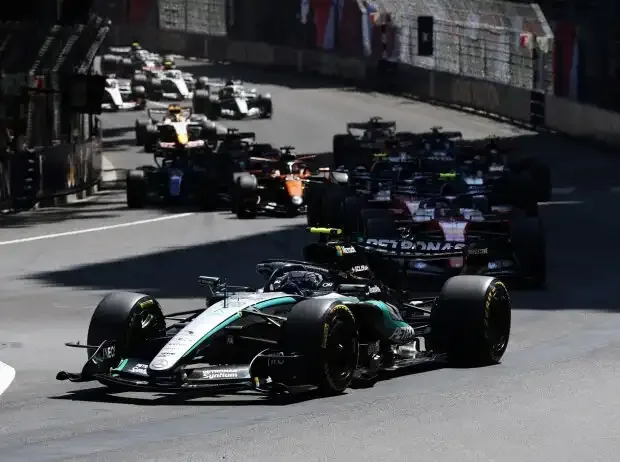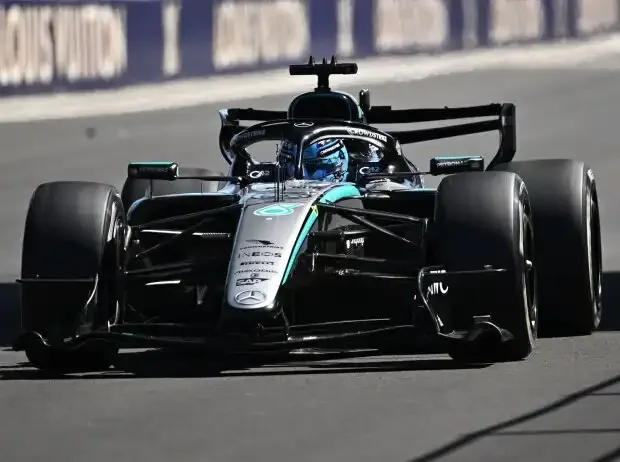


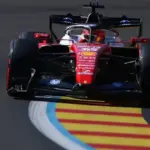
– Although 2026 is only the first year of the current regulation cycle, discussions about the future engine rules of Formula 1 are already taking place behind the scenes. Some adjustments have recently been agreed upon for the current set of rules.
Read more Fifth place! Why the M3 Touring was even faster than the M4 GT3
Next year, the ratio in the power unit will shift to 60:40 in favor of the combustion engine, and in the long term, the paddock is increasingly open to bigger changes.
This became clear when Formula 1 boss Stefano Domenicali spoke with Motorsport.com during the April break. The Italian explained that the FIA and Formula 1 had given manufacturers too much influence in the current cycle.
He added that the future will likely look different – possibly with a V8 running on sustainable fuels and a smaller electric component.
FIA President Mohammed bin Sulayem went a step further in Miami, stating that the return of a V8 is “only a matter of time.” According to him, the FIA aims to move in this direction by 2031 regardless, with possibilities being examined to bring the introduction forward by a year.
Ford flexible thanks to “library” of powertrains
The logical follow-up question is how much support there is among manufacturers for such a step. While Toto Wolff has hinted that Mercedes would basically be open to the idea, provided it happens in a “structured” way and retains an electric component, Ford also shows a positive stance.
“For the future, the next set of rules, I think the sport has taken the right approach by involving the relevant stakeholders to clarify what is important and what is at stake,” says Ford Performance Director Mark Rushbrook in an exclusive interview with the global edition of Motorsport.com.
“Everything we have been involved in and what we see here makes us confident,” Rushbrook emphasizes, adding: “The dialogue is happening, and we believe the right decisions are being made. And none of this will change our commitment here.”
This also specifically applies to a V8 running on sustainable fuels with a lower share of electric power. “It would [appeal to us],” Rushbrook stresses.
“What we see in the way Ford approaches its vehicles, especially in recent years where standards and requirements for passenger cars have become significantly more regional, is that we have pure combustion engines, hybrids with different architectures, various ratios between combustion and electric, as well as fully electric powertrains.”
Read more Jorge Martin freaks out: Shove after crash with Raul Fernandez
Audi conclusion: Did Red Bull build the better F1 engine?
“We have to be prepared to offer these in different markets worldwide, so we have a comprehensive library of such solutions,” he explains.
Rushbrook previously said that Ford originally planned to stop production of pure combustion vehicles but later reversed this decision. This makes the US company flexible in negotiations about the next Formula 1 cycle.
“That gives us many different options when we compete in various racing series, including Formula 1. We can continue to make motorsport relevant to what we develop, produce, and sell to our customers,” Rushbrook explains.
“We love the V8 idea because we sell many V8 engines. We also appreciate an electrification share because we have many hybrid vehicles,” he adds, “and whether it’s 50:50, 60:40, or 90:10 – we will continue to learn how combustion and electric technology can be integrated.”
“We are very open to this, also to support motorsport on the track. And again: It would neither change our approach nor our commitment. We are satisfied with the talks about the future.”
Formula 1 commitment already brings Ford “more than expected”
Rushbrook adds, however, that the current overall commercial picture of Formula 1 – despite all criticism of the technical rules – is already largely positive for Ford.
“We have been satisfied with the rules we have now, and also with the adjustments. We continue to benefit greatly from them. But as I said: With our portfolio of powertrains, we have the opportunity to shape many different concepts meaningfully for us.”
In terms of both commercial value and technological relevance, Ford’s commitment in Formula 1 has so far met expectations.
- MotoGP“The throttle no longer responded”: Acosta on the crash with Alex Marquez
- 24h NürburgringFifth place! Why the M3 Touring was even faster than the M4 GT3
- 24h Nürburgring“Ratio absolutely top”: Maro Engel clears up Verstappen rumor
- MotoGPUpdate Johann Zarco: How his leg is doing after the start crash
“And probably even more than that. We have benefited from it more than we ever imagined when we started three and a half years ago. And we continue to benefit greatly from it,” Rushbrook says.
Read more Mazda wants to achieve higher sales volumes with the new CX-3 from 2027 onwards