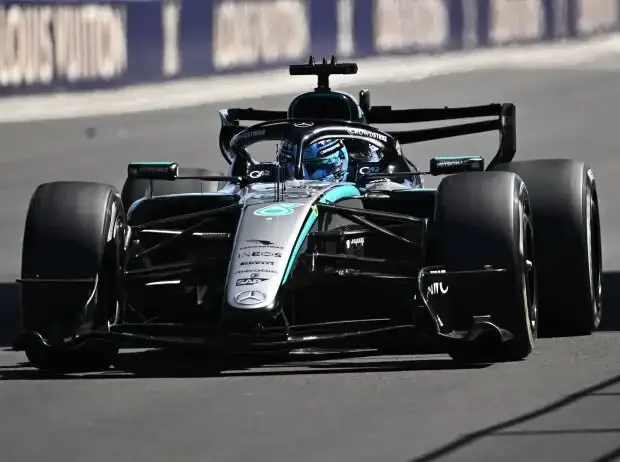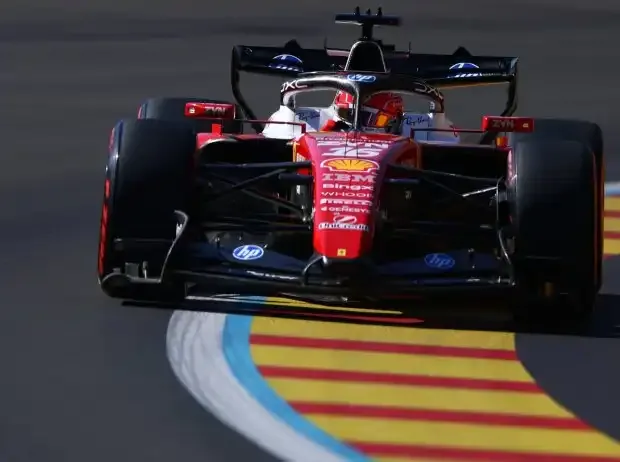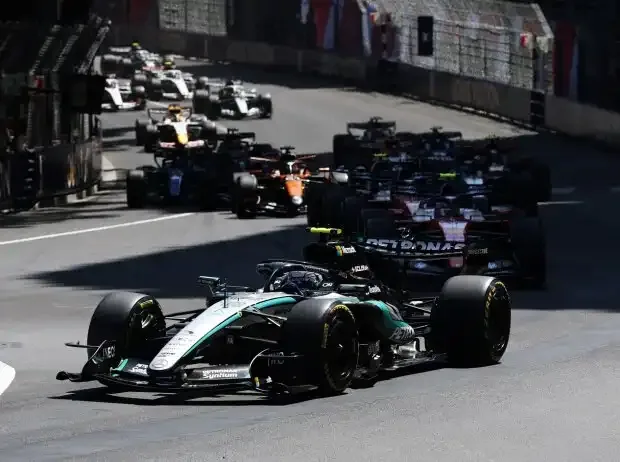

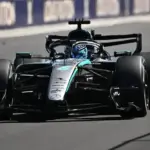

– The Australian Grand Prix last weekend marked the start of a new Formula 1 era: The changed regulations, which have been in effect since this season, have turned the first race of the premier class upside down – and even caused maximum confusion among the drivers!
Read more The bold Cadillac chase begins: Points before the summer break?
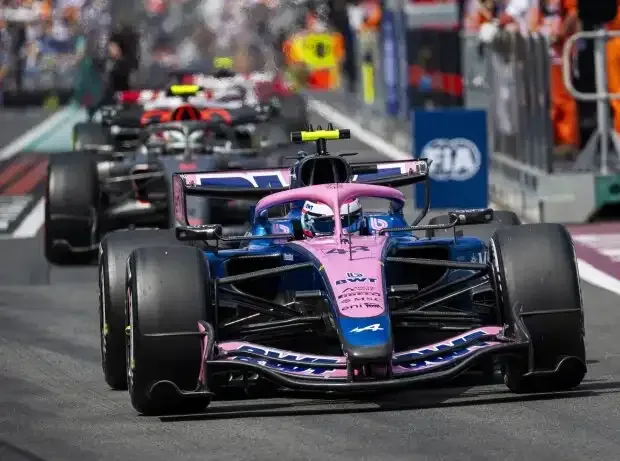
Example: Audi driver Gabriel Bortoleto completely unintentionally overtook a competitor in Melbourne. “I accidentally performed overtaking maneuvers that I didn’t want at all because I had so much energy and the other car went into massive clipping,” reported the Brazilian. ()
The scene took place shortly after the pit stop. “I wanted to defend against Pierre Gasly out of Turn 1,” Bortoleto explains to Sky. “I pressed the energy button and in the end, I overtook a driver who was actually far ahead of me, but I hadn’t even thought about it.”
“It was a double maneuver, that was very fun and cool,” the Audi driver adds. “Such things will happen more and more frequently with the new Formula 1 rules. We just have to analyze a bit more now because we have more data from this race, and better understand how to manage that and when to make such maneuvers.”
The new rules are “sometimes frustrating”
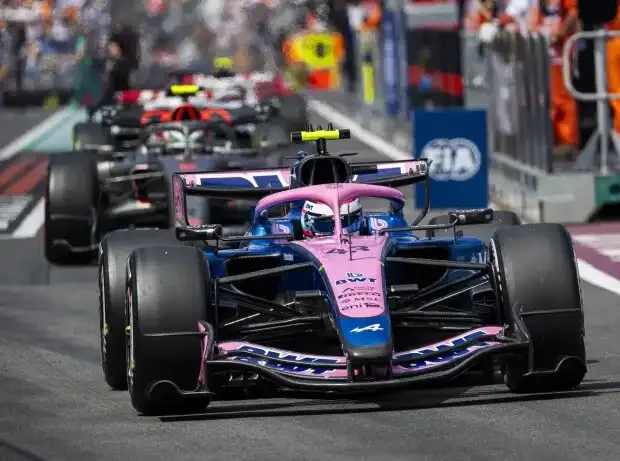
An understanding that not only Bortoleto is currently lacking. Alpine driver Franco Colapinto also cannot yet fully see through the “new” Formula 1: “It’s very frustrating because sometimes you drive a good lap and lose four tenths on the straight and don’t really understand why.”
It is therefore particularly important to understand as quickly as possible why such things happen. “The teams that bring the most consistent overall package of power unit and balance will be the fastest and achieve the best results over the entire race distance,” says Colapinto. “That is really important.”
However, all teams are still struggling with exactly this problem. “Sometimes it’s frustrating, sometimes positive,” the Alpine driver adds. “On the laps where you drive with high energy release, you are of course super happy. At the same time, you also don’t understand why it happens sometimes.”
“Again: We are all working hard to work around these things and get better at them.” The problem, however, is that there are “really many details” that make a difference. “Sometimes it’s a bit of minimum speed, sometimes it’s a downshift that you do too early or too late.”
Franco Colapinto: “Really hard to understand”
“It reacts extremely sensitively to everything you do as a driver, and that is sometimes a bit annoying because although you control everything you do, this margin is so small and so minimal that it is really hard to understand why things happen sometimes,” explains Colapinto.
Read more Haas advantage through Ferrari: “Situation is different than at McLaren”
“The worst thing is when you don’t understand why something is happening, because then you can’t fix it at the moment either,” emphasizes the Alpine driver, who crossed the finish line in 14th place at the opener in Australia, while teammate Pierre Gasly was able to collect at least one World Championship point in tenth.
“Maybe you go through the data for five days afterwards and find a solution, but then it’s much too late,” Colapinto reminds us that a solution for perfect energy management must be found during the race weekend.
“I think it’s something new and very interesting, and at every new track we come to, it will be completely different from the previous one. And I think that also brings a bit more expectations for the teams and for the fans.”
The “yo-yo effect” as a Melbourne phenomenon?
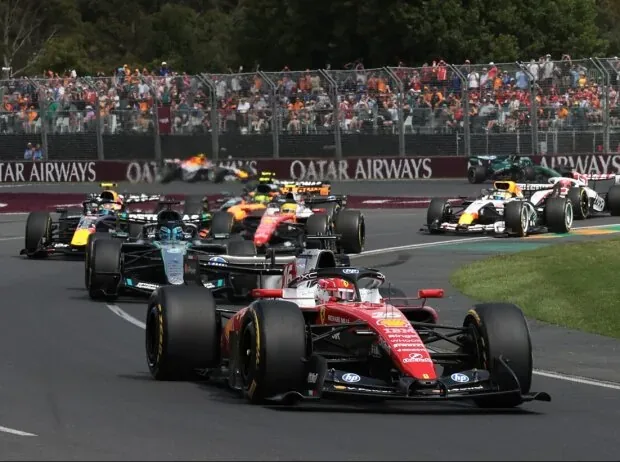
The “yo-yo effect,” where drivers overtake each other multiple times in a duel, is unlikely to occur as strongly in China, says the Alpine driver. In Melbourne, this happened primarily because “we are so bad at managing energy there.”



“If the tracks have more hard braking zones and not so many high-speed sections, it will be easier for energy management and we will see that less,” the Argentine believes. “These extreme speed differences on the straights were much more pronounced because of the track characteristics.”
Colapinto is nevertheless holding back with concrete predictions. “New things can happen at every race and we will learn new things,” he reminds us that the teams have by no means fully understood and internalized the new regulations.
- Formula 1Hamilton surprised: Ferrari brings the “Macarena” wing earlier than planned
- Formula 1No start for Hülkenberg in Australia: Has Audi found the problem?
- Formula 1Praise from the competition: Audi drive unit is “very, very good!”
- Formula 1Opinion: Has Formula 1 gone too far with the complexity of the rules?
“But it’s a process we’ll go through, and I think we’ll get better at it. The learning and understanding will grow every weekend. Let’s see how it goes here, and then we can talk on Sunday about what we saw in the race.”
Read more Mercedes VLE (2026): New electric van with 700 km range