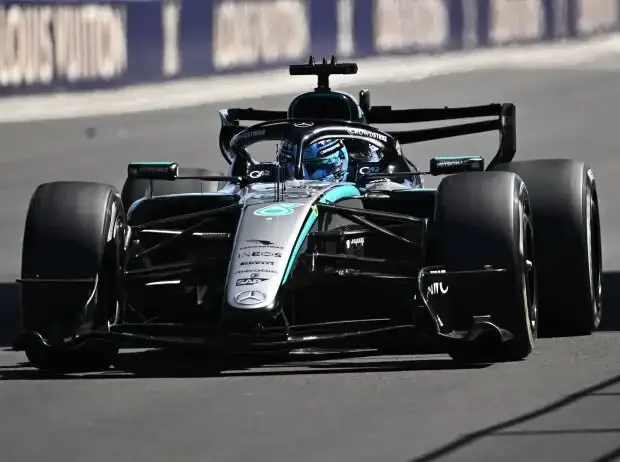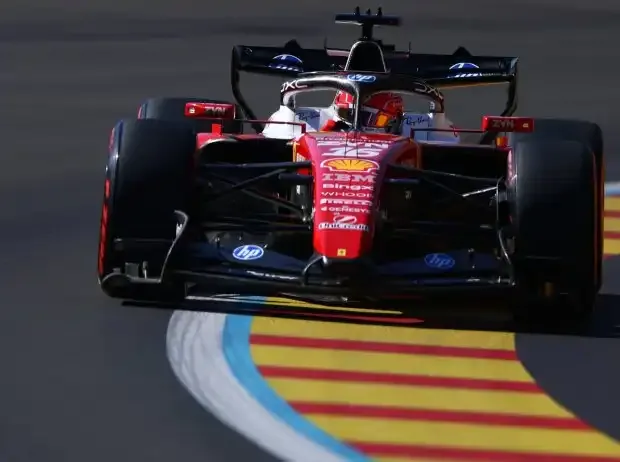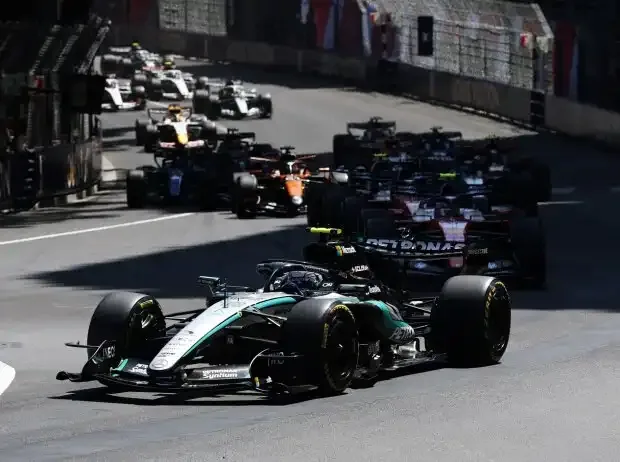




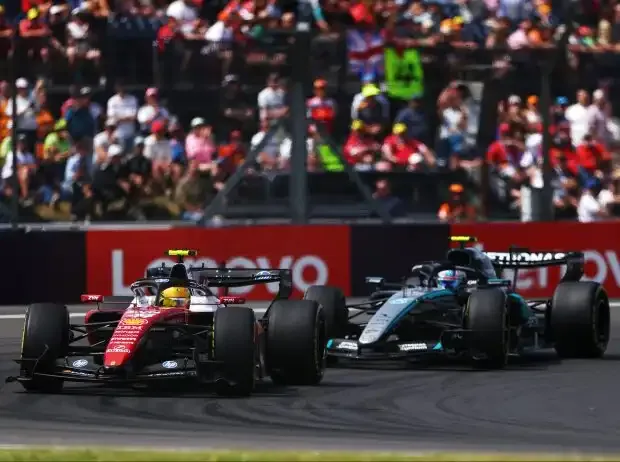
– Formula 1 has changed this year – especially concerning on-track duels. Where drivers previously had to patiently prepare their attacks to overtake with a precise braking maneuver into the corner, overtaking seems to have become significantly easier in 2026.
Read more Aston race director says thank you: “Good that you journalists helped us”
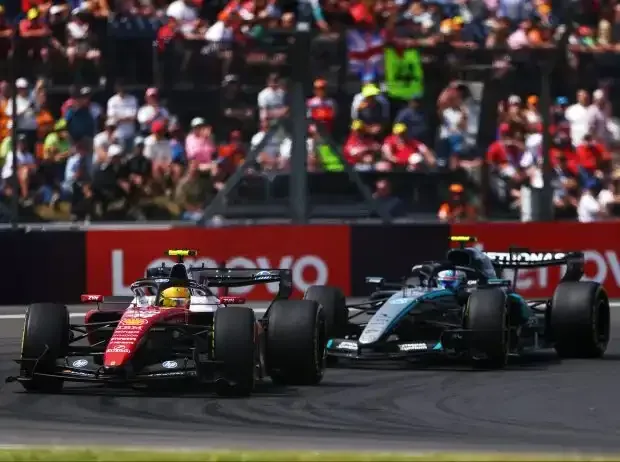
Because often, drivers shoot past each other on the straights due to different energy management or with the help of the overtake mode. And that causes frustration for many drivers. “It’s definitely not as satisfying as it used to be,” Lewis Hamilton clarifies.
“It’s mainly about understanding how much battery power you have available,” adds the Ferrari driver, referring to the unpopular yo-yo racing. “If you use it for an overtake, the other person has the power to overtake you shortly after.”
On many tracks, “you see overtakes in the middle of the straight with reduced power,” emphasizes the Briton. Such maneuvers, some of which even happened “by accident” in the first races of the season, leave drivers with little sense of achievement.
Hamilton: Classic Overtaking Still Difficult
Classic overtaking maneuvers, however, remain difficult, even though the new Formula 1 regulations were actually supposed to bring improvement in this regard. “On probably half of the tracks, you still can’t overtake if you’re directly behind someone,” says Hamilton.
Ferrari vs. Mercedes: Close Fight or Just an Illusion?
“But then there are also these really good tracks where it’s cool,” adds the seven-time world champion. Because not every overtaking maneuver is unsatisfying, “for example, when a lot is decided under braking, as it should be.”
Oscar Piastri finally gets to the core problem of the new rules: “The sad thing is that today it’s hard to distinguish what is a great overtake and what was simply facilitated by having 400 horsepower more than the car in front,” says the McLaren driver.
Read more After all: McLaren brings Macarena rear wing to Hungary
Why Austria was good – and Silverstone wasn’t
“Sometimes it’s quite obvious, but in places like Austria, you could show a really good overtaking maneuver,” explains the Australian. “The power advantage wasn’t excessively large. You put yourself in a good position – and you could reach that position from quite a distance – but it certainly wasn’t easy.”
Photo gallery: Formula 1 Fails: These rule changes were a flop
In Silverstone, however, overtaking maneuvers were more of a “matter of luck”. “The concentration required in the first laps just to avoid collisions was extremely high,” Piastri reports about the start phase in Silverstone.
“It’s just very difficult: you try to use the boost button and estimate whether you should use the battery now or later – especially on tracks like Silverstone, where there are four or five different straights where you can use it.”
Overtakes in 2026 are “difficult to judge”
The McLaren driver therefore holds a similar view to Hamilton. “Some overtakes are still very impressive,” praises the 25-year-old, adding: “Others clearly aren’t, because they simply happen on the straight.”
“I think it’s become difficult for us to judge what is a good overtake and what isn’t – also because of this unpredictability and the fact that overtaking differs so much from track to track.”
- Formula 1Aston race director says thank you: “Good that you journalists helped us”
- Formula 1Formula 1 Tech: Russell’s Retirement Reveals Details About Mercedes’ Underfloor
- DTMBoP Trouble and Curious Tire Strategy at BMW: “There is artificial intervention”
- MotoGPStefan Bradl: Laguna Seca and his greatest MotoGP success
“In the past, you just overtook without it being questioned much,” says Piastri, but “today you say to yourself: ‘Okay, this maneuver was easier because we’re on this specific track with its respective energy characteristics.’ So the whole thing is just a bit more complicated.”
Read more Jorge Martin and Ai Ogura: This is how they explain their move to Yamaha