



– Actually, during the summer break we always look at the current status of penalty points and see which driver has particularly stood out negatively in this regard and needs to be careful because otherwise they risk a race ban. But this year we can basically skip that, as a completely new approach has made penalty points almost obsolete.
Read more Oliver Bearman: Clear Rejection of Aston Martin, Loyalty to Ferrari
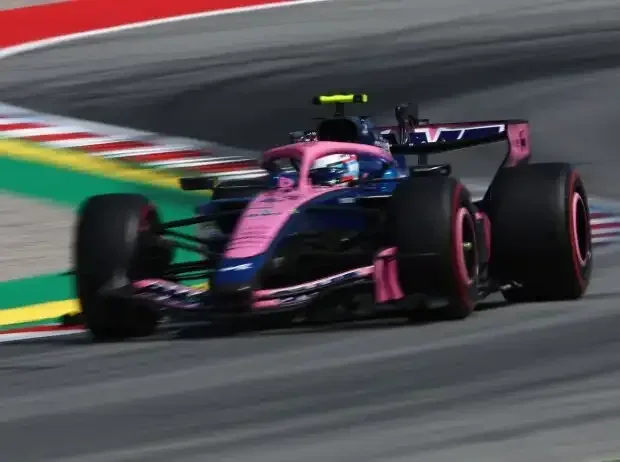
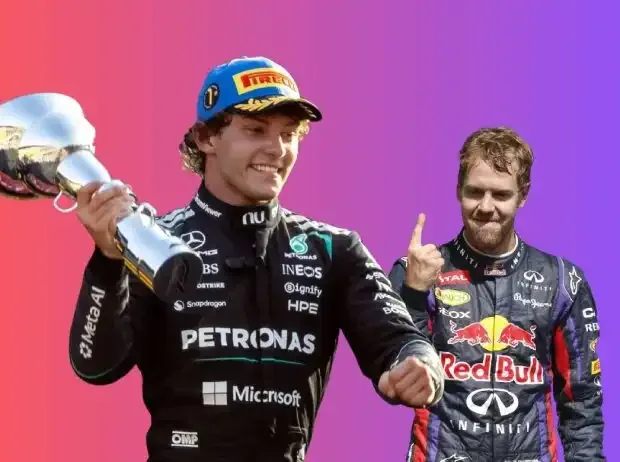
Only two measly penalty points were awarded in the first half of the season: for Franco Colapinto in Barcelona and for Kimi Antonelli in Hungary. For comparison: last year the number of penalty points at the end of the season was 62.
What seems particularly curious in this context is the reason for the two points this season. While all collisions, pushing maneuvers, or dangerous driving styles have so far not been penalized with points, it was precisely yellow flag violations that brought the points.
Yellow flag violation results in two points
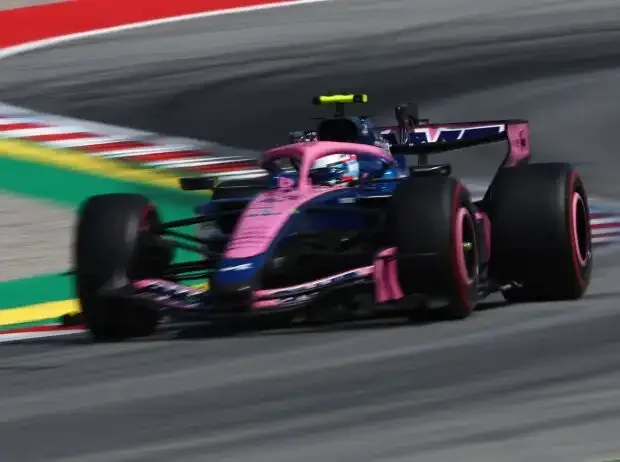
According to the stewards, Colapinto did not slow down sufficiently enough during the Formula 1 race in Barcelona, even though the yellow flag was shown due to Fernando Alonso’s stranded Aston Martin. Although he reacted to the flag before entering the yellow zone, his speed in the relevant zone was not noticeably reduced.
The Alpine driver was then given a ten-second time penalty – and one penalty point.
For the same reason, Kimi Antonelli was given a grid penalty during qualifying in Hungary: after a spin by Max Verstappen in the final corner, he had lifted off earlier but then passed the off-track area even faster than before.
Photo gallery: The craziest penalties in Formula 1
Delaying under yellow has already been a central topic this season – especially in qualifying. George Russell set the fastest time in Spielberg despite a yellow flag due to Max Verstappen’s accident and was allowed to keep the pole because he lifted slightly.
Currently, Antonelli together with Oliver Bearman (Haas) still lead the penalty list with four points. Nevertheless, both are far from the twelve points that would earn them a race ban for one Grand Prix, as Bearman’s predecessor Kevin Magnussen (so far the only driver) managed.
Read more Ogier loses consciousness after horror crash: Ingrassia reports
New guideline allows more freedom
The fact that only two penalty points were awarded in 2026 is related to the new guidelines. This year, the FIA gives the race stewards significantly more leeway in awarding possible points, whereas previously a fixed point value was usually assigned for an offense.
The drivers welcome this step positively, as last year they felt that penalty points were awarded too often for normal racing situations. “Penalty points were awarded very generously in recent years,” Bearman said a few weeks ago. “That didn’t really encourage us to attack or try overtaking maneuvers.”
“If you make a mistake, you lose time in the race anyway, but an additional long-term penalty is very harsh. But for really dangerous mistakes, the system is correct.”
If drivers display a driving style that is potentially dangerous for others, penalty points should still be issued, according to consensus in the field. Only: so far this year, dangerous driving styles have been sanctioned at most with a warning.
Maybe the stewards have gone a bit too far in the other direction …
- MotoGPAcosta explains Ducati switch: “Wanted a world championship-capable bike”
- Formula 1FIA explains: This is why we couldn’t intervene earlier in the regulations
- MotoGPVinales defends himself: “Will finish the season as contractually agreed”
- DTMManthey explains Feller weakness in stable duel: “The same as with Güven”
Note: An earlier version stated that only one penalty point was distributed. The point from Antonelli was omitted. That was a mistake for which we apologize.
Read more FIA explains: This is why we couldn’t intervene earlier in the regulations