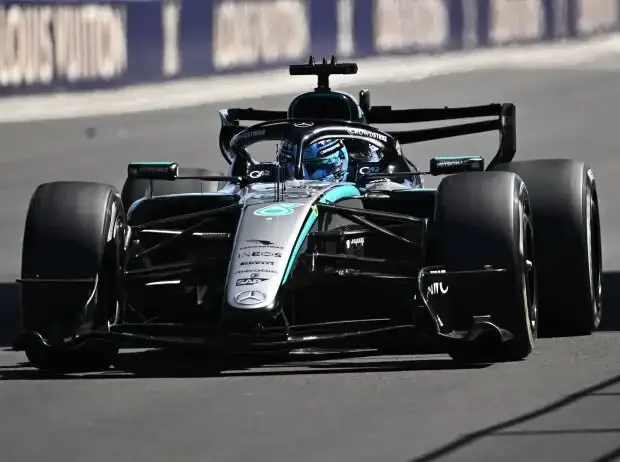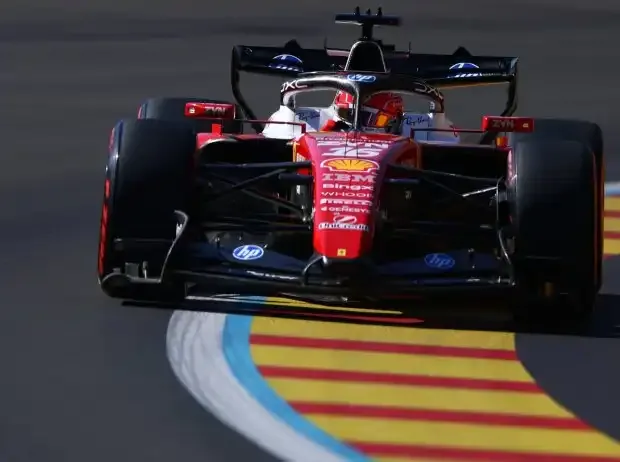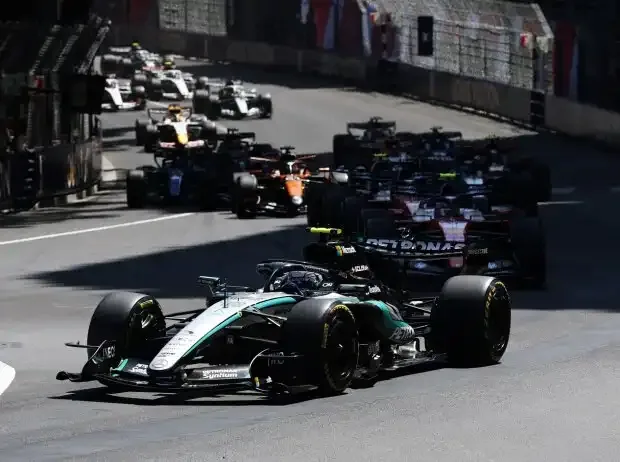
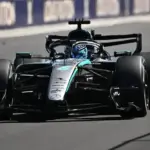



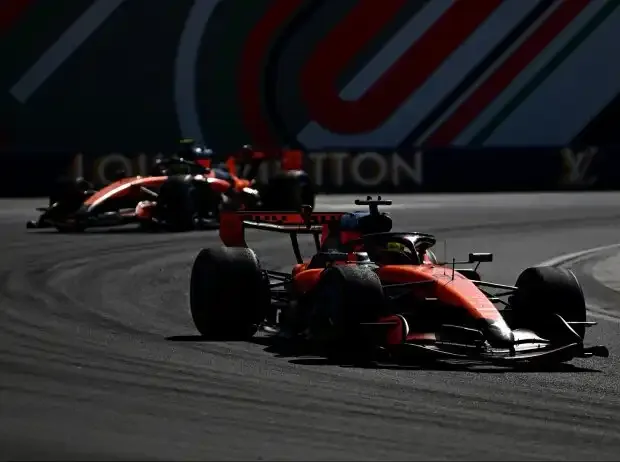
– Complaints have been simmering since before the start of the season. From time to time, they intensify – especially on so-called “low-energy” tracks, where the ratio of corners to straights and the type of corners prevent the new generation Formula 1 cars from sufficiently recharging their batteries over the course of a lap.
Read more IndyCar Tradition: Lapped Cars Drive Power and Rosenqvist Up the Wall
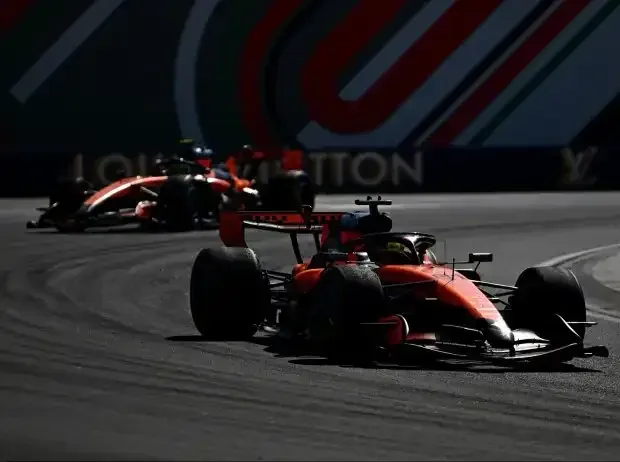
A rule adjustment ahead of the Miami Grand Prix reduced the much-criticized “jo-jo racing” that arose because drivers were in different states of charge.
Recently, however, speed differences caused by the self-learning algorithms of the power units, which reacted to minimal changes in track conditions and driving style, caused significant unrest. At Spa, Oscar Piastri described this as a “pretty shitty way to race.”
But the situation will not change in the near future, even though there are voices calling for a complete ban on these machine learning tools – usually citing a line from the Formula 1 Sporting Regulations as an irrefutable argument. Article B1.9.1 states: “The driver must drive the car alone and without outside assistance.”
Thinking processes instead of pure speed
Nevertheless, it can be argued that the best drivers can also handle these new challenges, however absurd and disruptive they may be. That was at least the view of Neil Houldey, McLaren’s Technical Director of Engineering, in a media round during the summer break.
“Ultimately, it is the drivers who understand what they need to do, who are fully alert and among the best F1 drivers in the world, who will still be the fastest,” he says when asked whether it is currently even possible to accurately assess driver performance.
Photo gallery: Formula 1 fails: These rule changes were a flop
“The criteria may have shifted. It’s no longer just about pure top speed. It’s about the thinking processes that happen in the background and produce this lap time. But if we say – and there are examples of this, with Spa being a good example where Oscar was actually assigned a slightly different energy strategy, which cost him a few tenths, but he was still on a level with Lando …”
“… then I think these things balance out,” says Houldey. “You still see the difference between the good and the less good drivers in the overall lap time and then also in the race.”
“My answer would therefore be that in the end everything balances out,” he says. “There may be a race or a qualifying here or there where that disadvantages one driver or another, but I still believe that at the end of the season the best drivers will be at the top.”
Read more Zarco back on two wheels: This is how his MotoGP comeback stands
Software must intervene for safety reasons
The fundamental bottleneck of the current regulations with its almost 50:50 distribution between electric and combustion engine is the amount of energy the car can store.
Since the battery must be charged throughout the lap, software intervention is required for both safety and performance reasons to gradually throttle the delivery of electrical energy instead of cutting it off abruptly.
Why McLaren is now playing ALL the cards!
The machine learning software also has a performance function: it supports engineers in trying to determine the “optimal lap” – that is, the combination of recuperation and energy output that enables the fastest lap time.
The effect of the Miami rule adjustments, which gave the FIA more leeway to lower recuperation limits, was to trade peak top speeds for a more sustainable (albeit slightly lower) finishing speed.
All this, however, assumes that the driver acts absolutely consistently with their control inputs – such as throttle position. For example, if a driver approaches a corner too aggressively and loses more momentum there than their teammate, accelerating out again costs valuable electrical energy. The bill comes later in the lap, where this energy is missing.
More mental effort than before
Houldey sees this as a different risk-reward ratio than what drivers are used to: aggressiveness is less rewarded today than a thoughtful and disciplined approach. “It has definitely become much more of a mental challenge,” he says.
Photo gallery: Mid-season reports: The best Formula 1 drivers at the summer break
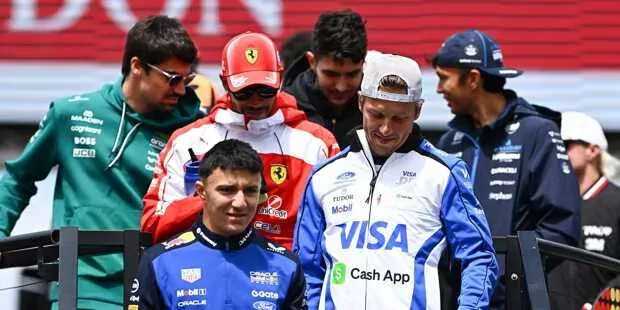
“And for the drivers, definitely much more is happening in the cockpit than before. Even in the years 2022 to 2025, the drivers had their hands full, but now there is an extra layer on top: you not only have to hit the cornering speeds perfectly, but also the way you deliver energy, the throttle position, and whatever else is involved absolutely perfectly.”
“It is certainly more technically demanding for the engineering team to get the maximum out of these cars, and it is more technically demanding for the drivers to get the best out of the cars,” says Houldey. “In the end, as always, the best combination of car, driver, and engineering team delivers the best result.”
Read more Why Mercedes is better now than in the Ground-Effect era