





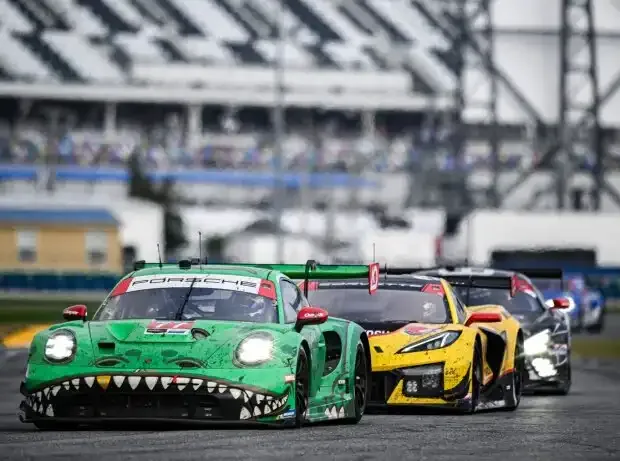
– The warning from Stephane Ratel about a misdevelopment of the GT3 class is causing a stir in the motorsport world and meets with full approval at Porsche. The SRO boss had warned that escalating costs and the trend towards extreme vehicle concepts endanger the basic idea of GT3 racing.
Read more McLaren McL 6GT: Return of the Manual Transmission
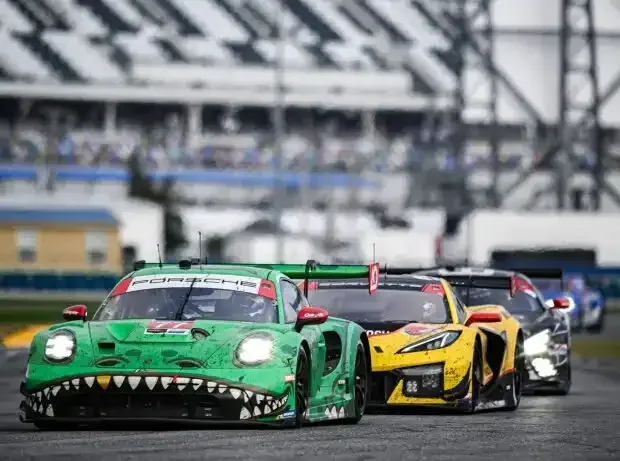
In an interview with Motorsport.com USA, a sister edition of Motorsport-Total.com in the Motorsport Network, Porsche Motorsport Director Thomas Laudenbach makes it clear on the sidelines of the IMSA race at Road America that he fully shares Ratel’s concerns: “I agree with him on almost all points. I was able to talk to him for a long time on the phone and fully support his stance.”
The core of the criticism lies in the development of new vehicle projects from the year 2028. Manufacturers like Genesis, Mercedes, and Toyota are planning new GT3 programs where the vehicles are primarily designed as purebred race cars and then homologated only in a small series as road cars.
Originally, however, the GT3 was conceived exactly the other way around: mass-produced sports cars were to be converted into race-ready GT3 cars with manageable effort. For a GT3 homologation, 300 road vehicles are required. Since the demise of the original GT1 category in the 1990s and the controversies surrounding the Maserati MC12 in the 2000s, Ratel has been extremely sensitive to the topic of GT prototypes.
Laudenbach also sees the danger for the most successful racing car category of the 21st century. If manufacturers bring pure prototypes to the start, other manufacturers could be forced to follow suit to remain competitive.
“We have to be very careful. We have probably already opened the door too wide,” warns Laudenbach. “It should still be GT sport and affordable. If you look at what we do, we pursue a very clear GT3 philosophy. Our prices are still fair.”
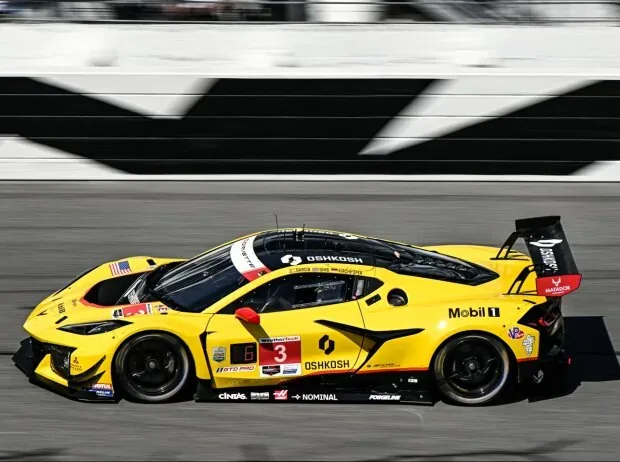
By “door opened too wide” he means the current possibility that GT3 race cars and road sports cars can be developed in parallel so that the GT3 vehicle can go to the racetrack in time for the road car’s sales launch. Good from a marketing perspective, but basically already a GT prototype again.
Laudenbach makes it clear: “I don’t want to see prototypes. I want it exactly the other way around: We have road-legal cars and derive race cars from them. That is the essence of GT3. I don’t particularly like the current trend.”
Read more Marc Marquez reveals his most nervous career moment
Criticism of hidden factory entries
To counteract a misdevelopment, Laudenbach demands concrete countermeasures. One approach is the required number of customer vehicles built. Stephane Ratel has proposed setting the minimum number to at least 30 or even more vehicles.
In addition, the Porsche chief criticizes competitors who conduct GT3 entries under the guise of customer racing as hidden factory entries: “There are manufacturers where it is officially called customer racing, but in truth there is factory support behind it. That is not the nature of this sport for me.”
The criticism is likely primarily directed at the American manufacturers in the GTD-Pro category of the IMSA SportsCar Championship. General Motors and Ford compete there with pure factory engagements against teams that only enjoy factory support but operate independently.
As a positive example, he cites his own strategy in the IMSA series: “We do not have a factory team in the GT classes there. We work with customer teams like AO Racing or Manthey.”
“Manthey is a customer team that wants to present its brand in the USA, which I think is great. But we do not provide factory support in the GT classes.” Porsche deliberately limits factory involvement to the prototype class GTP.
- IndyCarIndyCar Markham 2026: Mick Schumacher in Q2 for the first time
- DTM“An outrage going on here”: Thiim attacks DTM and AMG
- DTMWildfires near the Nürburgring: Is the DTM race on Sunday in danger?
- DTMDTM BoP changed for five cars: Can Thiim strike back in the title fight?
Finally, Laudenbach warns to remain vigilant in order not to jeopardize the long-term success of GT3: “I have been in this business long enough to know how quickly a racing series can collapse. It would be extremely unfortunate if GT3 were to collapse. I really hope we are taking the right path.”
Read more Bearman in the 1985 Senna-Lotus: A deeply emotional moment