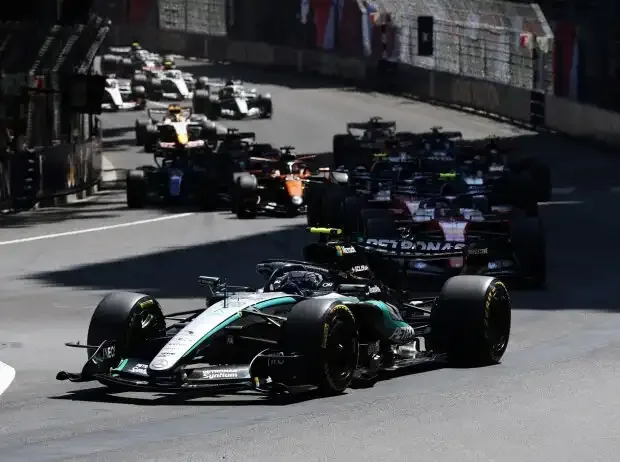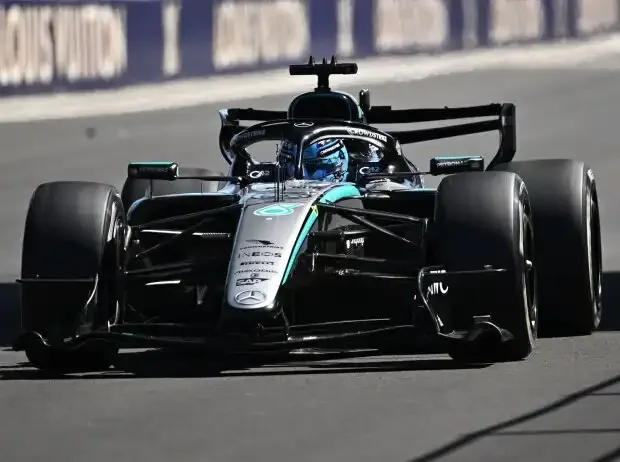





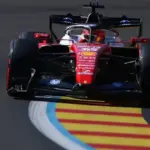
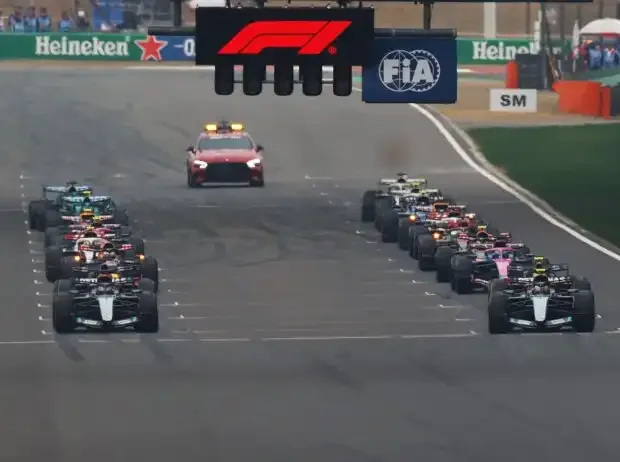
– The start procedure extended by five seconds will likely remain in Formula 1 beyond the 2026 season – although starts have become much less problematic than at the beginning of the season.
Read more Timo Glock about Toyota TF110: «Would have liked to drive the car»
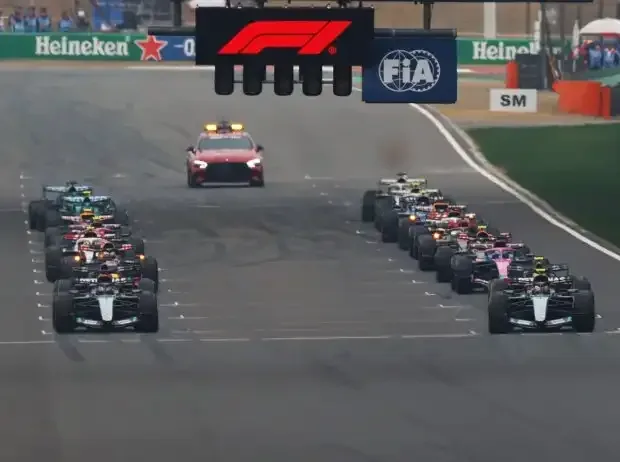
So why does Nikolas Tombazis, Formula Sport Director at the FIA, assume that the extended procedure will be retained? He explained on request: “The five seconds is an established procedure. I see no reason why it should change within the current regulation cycle.”
This suggests that Tombazis indicates: The start procedure could remain unchanged until the introduction of a new powertrain format in the 2030 season (or possibly earlier). So far, however, Formula 1 has not committed to a new powertrain regulation or a concrete schedule for it.
Why safety is only one aspect
According to Tombazis, the considerations for retaining the extended start procedure are “not primarily” a matter of safety. “It’s simply about the fact that the different cars arrive at different times on the starting grid and the drivers must have the opportunity to prepare themselves to make a proper start.”
If anything, only the electrical component of the procedure is safety-relevant. Here, Tombazis refers to the near-crash at the season opener in Australia, when Franco Colapinto almost collided with the slowly starting Liam Lawson. This incident prompted the FIA to develop an emergency solution. (Photo gallery: These Formula 1 rule changes were a flop)
Photo gallery: Formula 1 fails: These rule changes were a flop
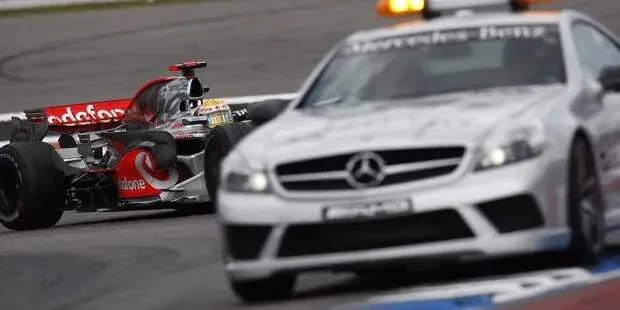
This emergency solution provides that “electrical components help accelerate a car after a very slow start – so that we do not risk, for example, a car stalling on the starting grid,” explained Tombazis.
Read more New Netflix documentary about Michael Schumacher to be released in 2026
To prevent a stall, the emergency system automatically intervenes via the MGU-K to guarantee a minimum level of acceleration. This is not a competitive advantage: The system is only intended to prevent rear-end collisions like the incident between Lawson and Colapinto. Or as Tombazis put it: From a catastrophic start to a bad start, but not a good one.
How the five-second rule came about
The “start problem” of Formula 1 first became apparent during the winter tests in Bahrain: Several teams had great difficulty getting their cars moving from the line during practice starts. The issue quickly developed into a political debate in the paddock.
Many teams demanded more time during the start procedure to bring their turbochargers up to speed and build engine revs. Ferrari, however, was not enthusiastic about this idea because the smaller turbocharger of the Scuderia gave a competitive advantage at the start – Lewis Hamilton and Charles Leclerc dominated the practice starts.
- Formula 1Timo Glock about Toyota TF110: “Would have liked to drive the car”
- Formula 1Media reports: Yuki Tsunoda before surprising Formula 1 comeback?
- DTMGounon angry at DTM race management: “Same person unfair for two years”
- Formula 1Schumacher warning: Is Carlos Sainz driving his F1 career into the wall?
As a compromise, the so-called pre-start procedure was finally introduced: Once all cars are in their starting boxes after the formation lap, a five-second warning time begins, indicated by blue flashing lights on the starting grid. The subsequent start is thus much more controlled and safer.
Read more «Fast & Furious» on two wheels: Netflix plans MotoGP thriller