








(Motorsport-Total.com/Motor1) – Nowadays, the power spiral is being turned relentlessly, especially with electric cars. Not without reason, as curb weights well over 1.5 tons are not only normal for electric vehicles. Forty years ago, however, 125 hp and just over a ton were enough for sportiness. Just like with the Citroën BX GTi.
Read more Heaviest WRC crash of career: Katsuta thanks Hyundai competitor
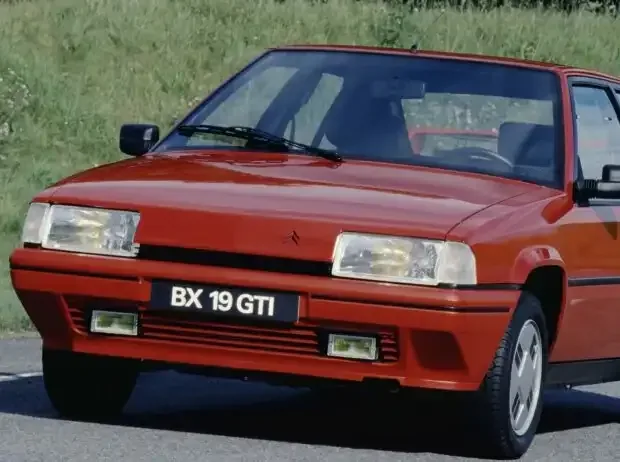
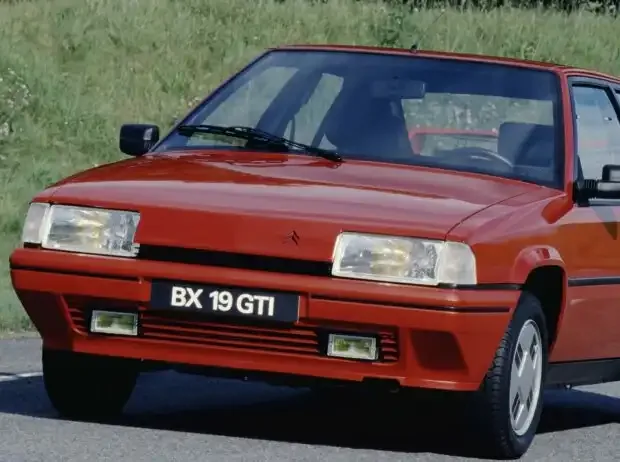
The origin story of the Citroën BX began before the introduction of the GTi model. The BX, designed by the Italian coachbuilder Bertone under the direction of Marcello Gandini, was presented at the Paris Motor Show in October 1982. Over 2.3 million units were produced until production ended in 1994. As part of a facelift in July 1986, the manufacturer introduced the sportily designed BX GTi variant. This model was based on the concept of combining higher driving performance with the usability of a four-door sedan.
Fun with Spoiler
At the facelift in July 1986, the BX GTi replaced the previous BX 19 GT and BX Sport versions. The revision, led by designer Carl Olsen, included widened fenders, newly shaped bumpers in body color, and changed turn signals. For corrosion protection, the 4.24-meter-long body was galvanized. Externally, the GTi variant differed from the standard versions by a rear spoiler, integrated fog lights, specific wheel covers, and corresponding model badges.
The powertrain was a four-cylinder engine with electronic port fuel injection producing 92 kW (125 hp), delivering a maximum torque of 175 Nm at 4,500 rpm. The curb weight was 1,025 kg, resulting in a power-to-weight ratio of 8.2 kg/hp. The BX GTi accelerated from 0 to 100 km/h in 8.9 seconds and reached a top speed of just under 200 km/h. The standing kilometer was completed in 30.5 seconds.
Tighter Hydropneumatics
Photo series: Historical review: The Citroën BX GTi in detail
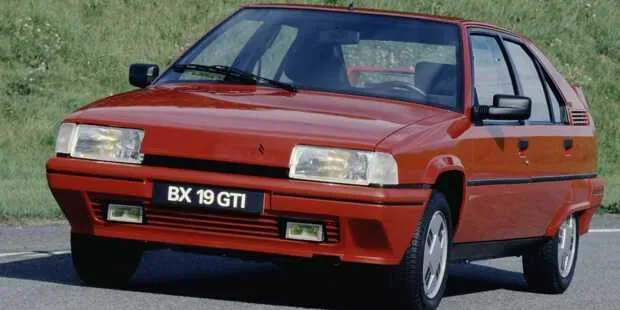
In terms of chassis, the BX GTi featured the brand’s typical hydropneumatic suspension, which was tuned firmer for this application. Standard equipment included four disc brakes and power steering, while an anti-lock braking system (ABS) was optionally available. The interior came standard with height-adjustable velour seats, an electrically adjustable passenger mirror, central locking, and extended instrument displays. Leather upholstery, air conditioning, a sunroof, and an onboard computer were offered at extra cost.
Read more No gamechanger? Haas hardly benefits from new Ferrari engine
In the 1988 model year, Citroën expanded the lineup with the BX GTi 16V. Its 1.9-liter four-valve engine produced 118 kW (160 hp) at 6,500 rpm. This version accelerated to 100 km/h in 7.9 seconds, reached 218 km/h, and featured standard ABS as well as a revised chassis.
In 1989, the BX GTi 4×4 with permanent all-wheel drive followed. The power distribution was 53 percent to the front axle and 47 percent to the rear axle, complemented by a lockable center differential and a rear differential lock. From 1990, the manufacturer adapted the engines for operation with unleaded premium gasoline, which reduced the rated output of the eight-valve engine to 90 kW (123 hp).
In the following years, equipment details such as alloy wheels, sports steering wheel, and air conditioning were gradually incorporated into the standard equipment before production of the GTi models ended in July 1993 with the switch to mandatory catalytic converters.
Read more Designer creates visionary look for the Ford Mustang
More classics from Citroen:
Citroën DS (1955-1975): A goddess turns 70
Time travel: On the road in the Citroën 2CV