
– Endurance races have long been popularly referred to as endurance sprints. The 24 Hours of Le Mans has long been a race where it’s “full throttle” from the first to the very last minute. But the races of the World Endurance Championship (WEC) are currently much more than that. They are both a sprint and a chess game at the same time.
Read more Why Franco Colapinto cried after the Formula 1 race in Monza
After the race in Interlagos, I came to the conclusion that 2026 could go down in history as the year of strategists. Up to that point, the decision for the win at each of the three regular 6-hour races had been made by tactical decisions that could be described as unusual – albeit rather unintentionally in Brazil.
A bit of creative strategic thinking is always welcome. This applies to today’s WEC just as much as to any other endurance sports car race I have reported on over the past more than 30 years. A clever tactical decision from the command post is at least as exciting as any dramatic overtaking maneuver.
Reduction of energy amount
It seems that the organizers of the WEC, the FIA and the Automobile Club de l’Ouest (ACO), share a similar fondness for strategic interplay. For the Lone Star Le Mans, the allocated energy amount per car was cut by a little more than 10 percent.
Among the Hypercar manufacturers, this caused some confusion regarding the exact reasons. Some believed the reduction of energy values in the Balance of Performance (BoP) was intended to prevent prototypes and LMGT3 cars from all pitting at the same time. Others suspected it was an attempt to spice up the races and create more room for the strategic chess moves I so love.
A manufacturer boss admitted he did not find it necessary to ask the officials about the reasons and pointed out that it was “the same for everyone.” That may have been true, but I saw the need to follow up.
I considered it my duty to ask – even if I did not necessarily expect the right to an answer. One must not forget that this year a veil has been drawn over the BoP: the tables are no longer published before the races and the organizers generally refuse to comment on it. The energy allocation is part of the BoP.
So I spoke with Bruno Famin, deputy race director of the ACO since the beginning of the year. My argument to him was: Since a blanket energy reduction has nothing to do with equalizing the vehicles, he should also be able to talk about it.
He agreed, and it turned out that both theories circulating in the paddock were correct. The organizers did not want all cars to pit at once. At the same time, less energy for the Hypercars meant that in a race without many yellow phases, in addition to the five regular pit stops, a “splash” would also be necessary.
Highlights WEC Austin Lone Star Le Mans 2026
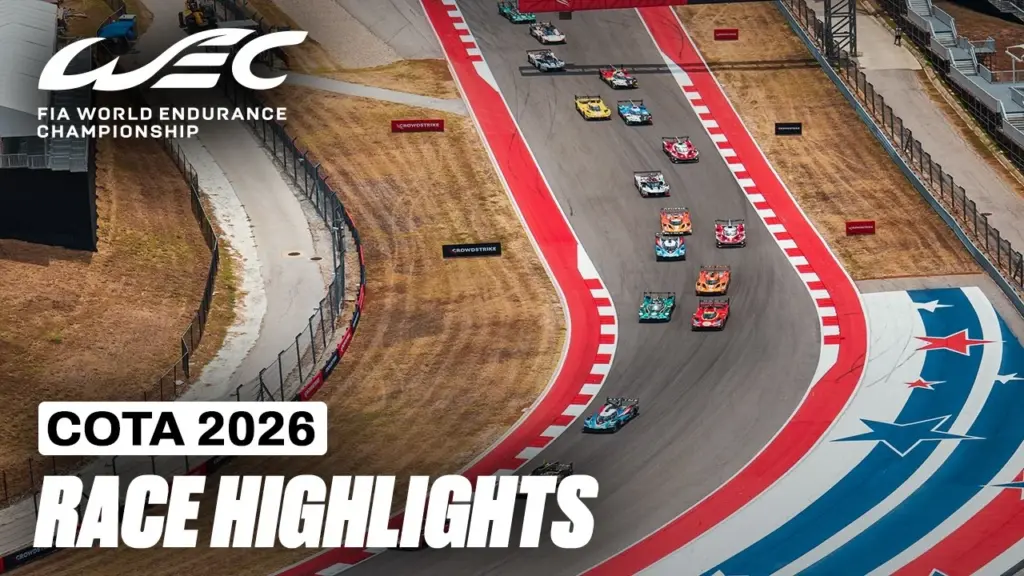
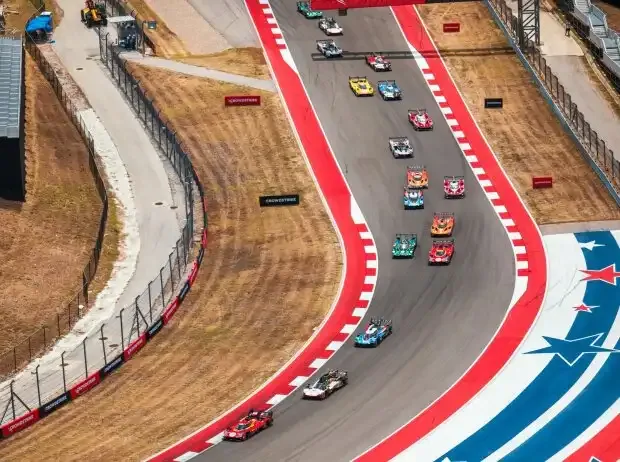
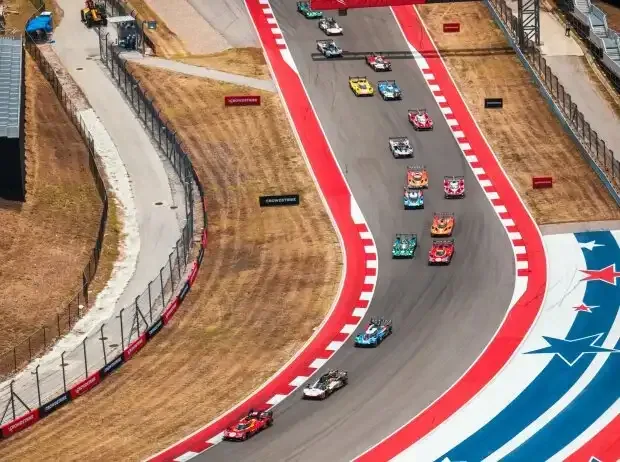
Despite its fast corners and long back straight, the Circuit of the Americas is the slowest track on the WEC calendar. That meant: with the normal energy amount, the Hypercars could have completed the race with five stops. No splash needed, so fewer chances for tactical tricks or bold strategies.
Given my enthusiasm for what has happened in this WEC season, I probably had no right to complain. That had to be good, right? Still, I had to think of 2023 and the wise words of Pascal Vasselon, the long-time technical director of the team in Cologne, which we now know as Toyota Racing.
When the pass-around was introduced back then and especially when the 24 Hours of Le Mans was reduced from three safety cars to just one, he lamented the “Americanization” of our sport. By that, he meant that competition was somewhat devalued in the name of a better show.
Read more “La Monumental”: Why Madrid’s new Curve 12 could become an F1 icon
I am not a fan of pass-arounds or wave-bys. They keep the field close together but hardly contribute to the chess game I so appreciate. Rather the opposite. In 2023, Jota boss Sam Hignett contributed interesting thoughts to the safety car debate in Le Mans. He hinted that the new rules “take away our strategic know-how as a team.”
The latest trick, which may remain for the rest of the season or not, is another artificial measure. Therefore, I am not sure if I should support it. Should we really tinker with the rules in the middle of the season to potentially spice up the spectacle? From my point of view, rather not, because just like Vasselon, I am a purist of motorsport.
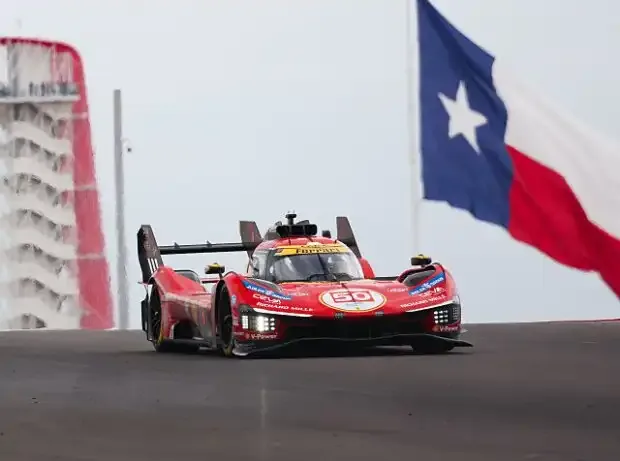
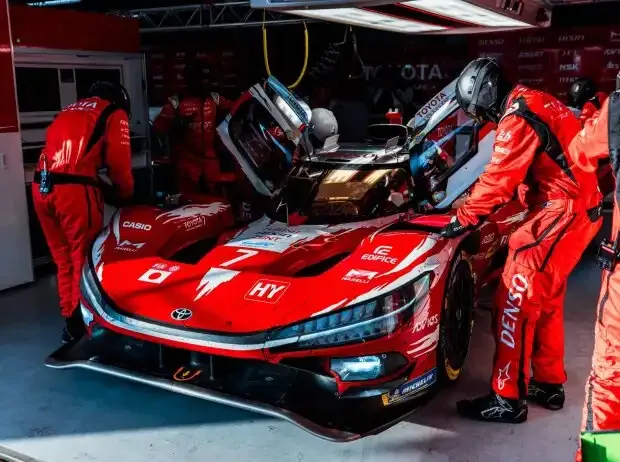
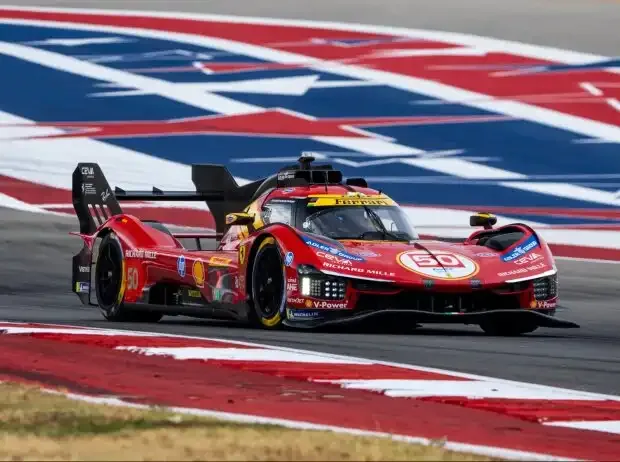
In Austin, it was not without a certain irony that it ended up being a five-stop race after all. The winning Ferrari made six stops, but the car that actually should have won – the Toyota #7 – was only in five times before it rolled out with a defect a few minutes before the end.
Of all things, safety car equalizes strategies again
That was the result of the many yellow phases during the six hours of Austin. Two real safety car phases, each preceded by a virtual safety car according to today’s regulations, as well as three full-course yellows (also virtual, but with different rules regarding pit lane closure) made the additional refueling stop in a conventional strategy unnecessary.
If you believe some voices in the paddock, the race control nullified the intention of the new energy limits by their own decisions. The first safety car was dismissed by some as a cynical attempt to artificially bunch the field back together in American style – a so-called “competition yellow.”
That is a bold thesis, and we cannot know what was going through race control’s mind. In fact, the first safety car turned out to be unnecessary. At the last corner, a mat covering the curb fastening had come loose and needed to be repaired.
In the end, it was enough that a track marshal cut off the protruding fabric with a knife and ran back behind the barrier. The issue was resolved before the virtual safety car was replaced by a real one. Naturally, this further fueled the cynicism.
The change in energy allocation before the race and the many yellow phases resulted in what I would call a confusing race. Even with monitors, lap times, and tire strategies in view, it was difficult to recognize during the race who held the trump cards. I wonder how that must have appeared to the spectators at the track or in front of the TV.
The tactical interplay in Imola, Spa, and Interlagos has provided fascinating races this year. So I understand why the organizers wanted to lay the groundwork for something similar to happen in Austin. I will not judge whether the first safety car was necessary or not, but the WEC should not desperately try to improve the show.
- Formula 1September 10, 2006: Michael Schumacher wins in Monza – and retires
- GT World ChallengeHartog heroics: Serious accusations against China GT organizer
- Formula 1“La Monumental”: Why Madrid’s new Curve 12 could become an F1 icon
- Formula 1Madrid: What to expect from the newest Formula 1 track
We must never forget: motorsport is primarily sport and only secondarily entertainment. Good sport is usually also good entertainment – but good entertainment is not necessarily good sport. Therefore, please a little less of the dreaded Americanization!
Read more MotoGP comeback postponed: Ai Ogura also missing in Misano