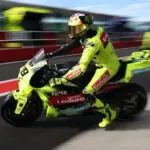

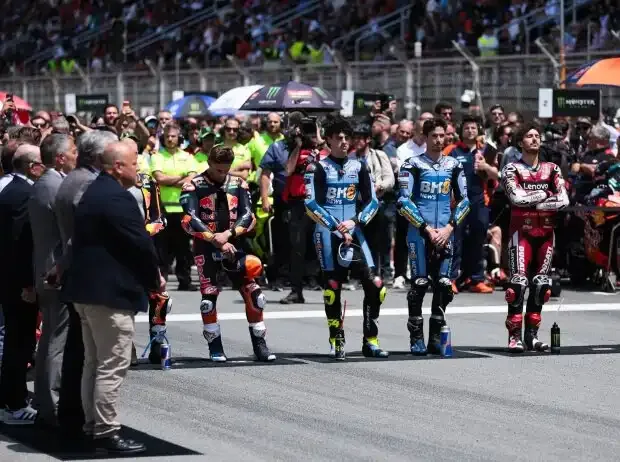
– The Barcelona Grand Prix has brought the safety debate in MotoGP back onto the agenda with full force. After several serious accidents, red flags, and discussions about track limits, runoff areas, and protocols, one topic came to the forefront: the diminishing importance of the Safety Commission and the low participation of the riders.
Read more Why the Indy 500 was taboo for Michael Schumacher
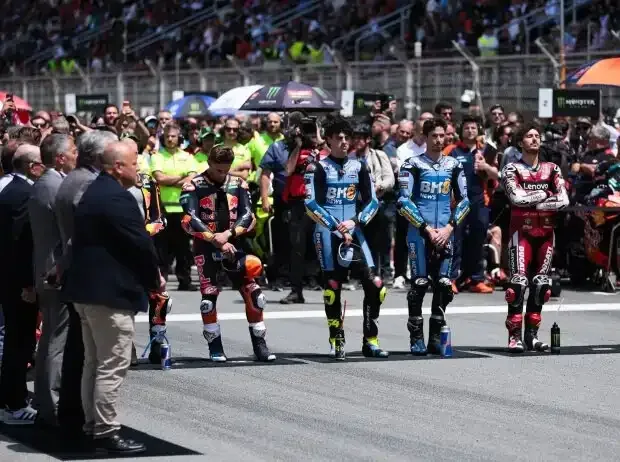
The trigger for the debate was, among other things, the severe training crash of Jorge Martin in turn 12. The Spaniard suffered a mild concussion and subsequently called for improvements to the runoff area of the fast right-hand corner.
Events later escalated during the race: several serious crashes led to a total of three race restarts and renewed discussions about safety standards.
Against this backdrop, numerous riders spoke out and painted a remarkably open picture of the current situation within the paddock. Francesco Bagnaia was particularly clear. The two-time MotoGP world champion especially criticized the low participation in the Safety Commission.
Bagnaia criticizes declining participation
Several riders justified their absence in the past by saying they could not influence decisions anyway. But Bagnaia does not accept this excuse: “How can you think something doesn’t work if you don’t even try? For me, that’s complete nonsense.”
Bagnaia emphasizes that the Safety Commission offers riders a forum every Friday before each Grand Prix weekend to express their concerns and remains an important tool to drive changes in the championship.
As an example, he cites discussions in Le Mans about a last-minute change to the pit lane rules. The occasion was Marc Marquez’s off-track excursion in the flag-to-flag sprint at Le Mans, which earned him the win but also sparked criticism of a gray area in the rules.
Photo gallery: The motorcycles and teams of the 2026 MotoGP season
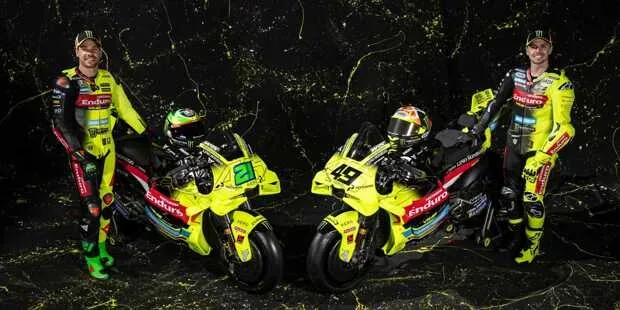
“It was an important meeting because a rule was added spontaneously. I am among those who believe that if you add a rule, you introduce it at the end of the year and not in the middle of the season. In the previous race, a rider [Marquez] gained twelve points because of it. In the next race, he would have received a drive-through penalty, and that is not right.”
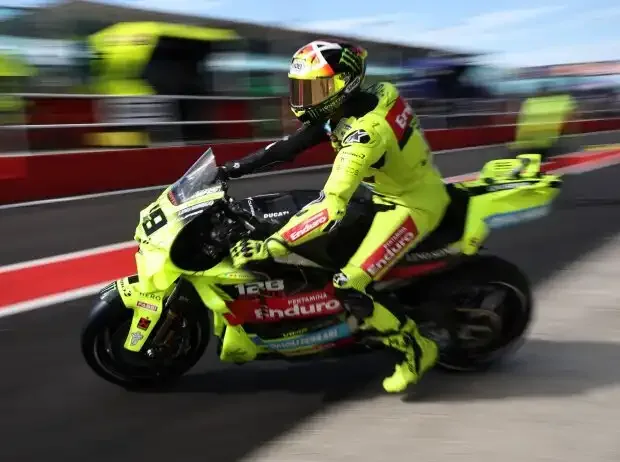
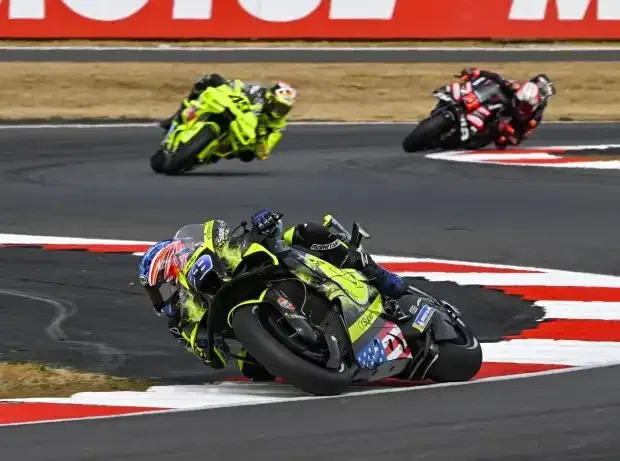
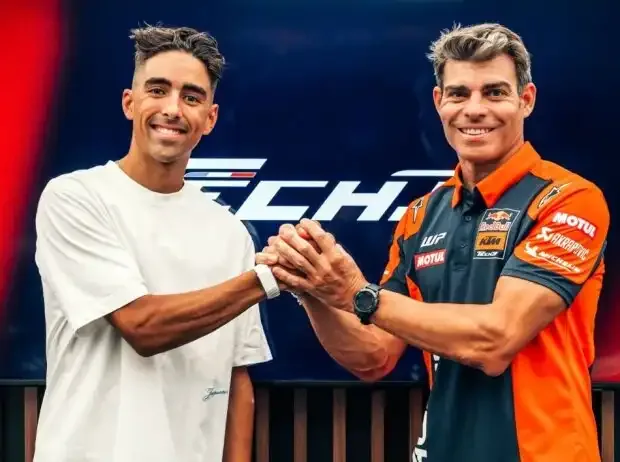
“So we had to put a little pressure on,” emphasizes Bagnaia, showing himself all the more disappointed that only three riders were present – himself, Jack Miller, and Luca Marini.
“We were completely in agreement. But it’s a shame. To avoid going to the Safety Commission, some say they don’t have time. But if many riders came, we could really make a difference,” the Italian believes. That some colleagues argue lack of time makes it even more “serious” for him.
He calls for more mutual respect. “And when it comes to important things like the commission, we have to go, no discussion.” After all, the riders are the ones “who put on the show” and feel the limits on the track.
Marini suggests a rider representative
Honda rider Marini strikes a similar tone, but more nuanced. The Safety Commission remains a “great tool” to communicate with Dorna and find solutions. At the same time, the Italian admits that safety standards have massively improved over the years.
“Dorna has done fantastic work,” says Marini. Many classic problem areas have now been solved, which is why there are fewer fundamental discussions today.
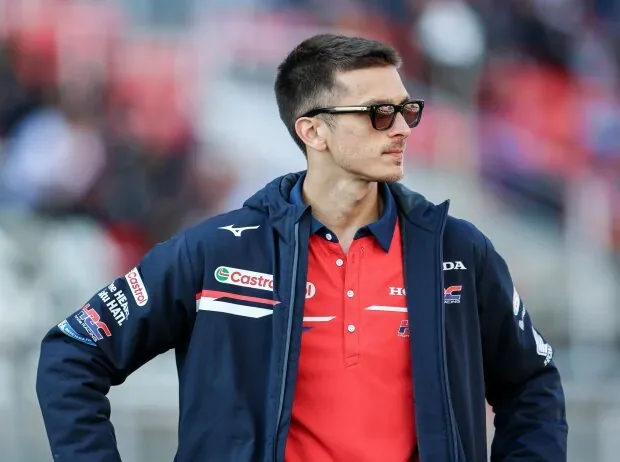
The real problem lies elsewhere: in the lack of unity among the riders. “It is extremely difficult for everyone to think in the same direction because everyone thinks of themselves first,” explains Marini. More communication and a more open approach are needed. However, he rejects mandatory attendance at the Safety Commission. “In the past, 20 riders sat in this room, and it was more chaotic than today with three or four.”
Read more Five milestones: What matters in the Formula 1 race in Canada
Instead, a kind of elected rider representative could help, but only if the riders presented a more united front overall. “It has to start with us,” says Marini. Many riders simply do not want to add more stress on top of the already enormous mental pressure of a MotoGP weekend.
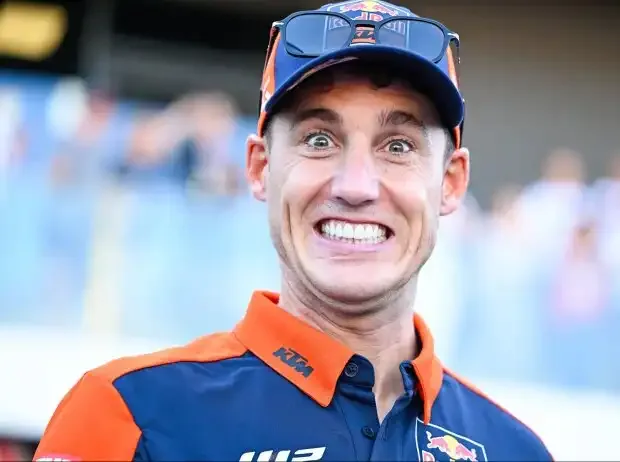
Pedro Acosta also addresses this point. The KTM rider confirms that he used to regularly attend the meetings but now only appears sporadically. “I already have enough problems in my garage to even find time for it,” Acosta explains his absence.
If really important topics arise, he still goes. But in recent races, “nothing really interesting happened.” Basically, however, the Spaniard considers the Safety Commission in MotoGP indispensable.
“We are the ones risking our lives, not the people in the office,” emphasizes Acosta, although not every accident is automatically a topic for the commission. “A Safety Commission will not prevent someone from missing the braking point,” he gives an example. From his point of view, crucial are walls, bumps, or other factors often beyond the riders’ control.
Will Barcelona change anything in the long term?
This also includes the turbulent events in Barcelona, which led to two restarts – a circumstance Acosta openly criticized. From his point of view, riders must fundamentally consider in the future “how much risk we want to take.”
However, Miller fears that the effect of Barcelona will soon fade again. “After such things, the excitement is great, but then many quickly lose interest again,” says the Australian and calls for more commitment from his colleagues.
Photos: MotoGP: Catalonia Grand Prix (Barcelona) 2026, Grand Prix
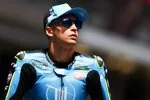
At the same time, he emphasizes that the Safety Commission is not there to complain but to make the sport safer. “I don’t take this responsibility lightly. You are the one sliding through the gravel and understand how that feels. That’s why I think it’s important to have your feedback.”
While Miller opposes mandatory participation, he says, “But yes, it would be nice to have a few more guys there.” In this context, he recalls earlier times with riders like Valentino Rossi or Andrea Dovizioso, who gave great weight to the Safety Commission.
They were also not always of the same opinion, but that’s not what it’s about. “Everyone can have their views, and that’s perfectly fine,” says Miller.
To share these views, more participation is needed at the end of the day. The meaningfulness of a Safety Commission stands or falls with that. But for many, the meetings do not seem practical enough, as Raul Fernandez describes.
In his first MotoGP years, he tried to attend as many meetings as possible. However, the time pressure is increasing. “Every day we have more commitments,” says Fernandez. Those who go to the Safety Commission often have hardly any time left for preparation, physiotherapy, or recovery.
At the same time, the Spaniard warns against wanting to automatically prevent every dangerous situation. It remains a dangerous sport. “Some things can happen,” he says, referring to the technical defects and incidents in Barcelona.
- DTMManthey delivers radical reform idea for DTM BoP: Rivals suspect calculation
- Formula 1End of “half throttle” in qualifying: Energy management is automated
- MotoGPMotoGP instead of Superbike: What Toprak Razgatlioglu still struggles with
- Formula 1Why the Indy 500 was taboo for Michael Schumacher
The Barcelona Grand Prix has thus not only raised questions about the safety of modern MotoGP bikes and tracks again. It has also revealed how differently the riders assess the meaning and role of their own Safety Commission. Between lack of time, frustration, self-interest, and genuine concern for safety, MotoGP currently seems to lack above all one thing: a common voice.
Read more MotoGP instead of Superbike: What Toprak Razgatlioglu still struggles with