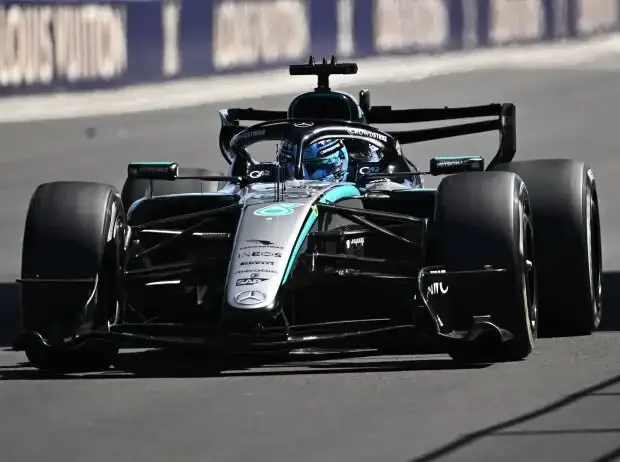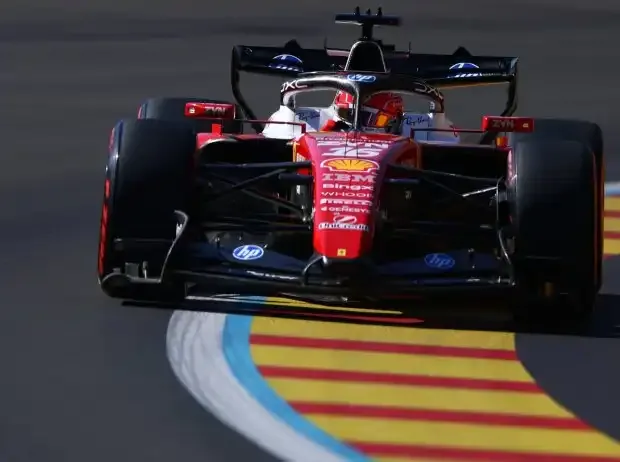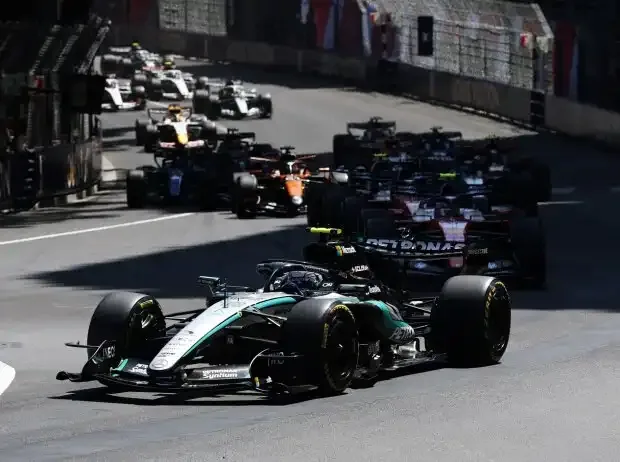




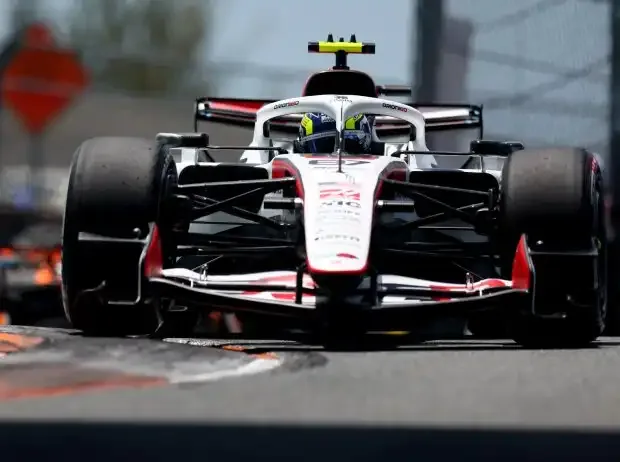
– The FIA has decided on a far-reaching rule change shortly before the race weekend at the Miami Grand Prix: The so-called Overtake Boost is now prohibited on wet tracks. The background is growing safety concerns, which were already expressed by several drivers after the first races of the season – especially after Japan.
Read more Crisis at Red Bull: Max Verstappen questions his future
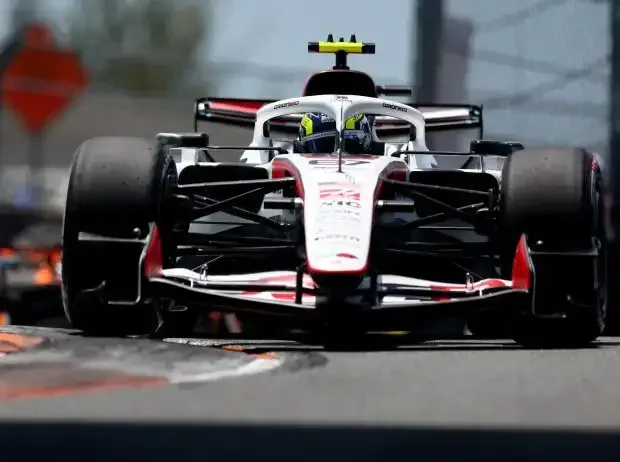
Specifically, the adjustment affects all so-called “Low Grip Conditions,” i.e., situations with low grip such as rain races. In these cases, the additional energy boost for overtaking may no longer be used. The measure is no coincidence: Rain is forecast for race day in Miami – so the new rule could immediately become a decisive factor.
The FIA is responding to a central problem of the new 2026 generation: too much power combined with reduced grip. The combination of narrower tires, less downforce, and aggressive power delivery makes the cars particularly difficult to control in wet conditions.
350 kW as a risk: Why the new cars are critical in the rain
The focus of criticism is especially on the characteristics of the new power units. The electric component delivers almost instant torque of up to 350 kW – a value that can quickly become a problem on slippery surfaces. When accelerating out of corners, the cars tend to oversteer more as a result.
Additionally, the tires have become narrower to reduce weight and air resistance. At the same time, aerodynamic downforce has been reduced. The result is an overall more nervous vehicle, whose rear end is particularly difficult to control in the rain.
FIA technical director Nikolas Tombazis sums it up: “We haven’t had a real wet race yet, but many drivers have already expressed concerns. Too much power can be problematic in the wet.” This is exactly where the new rule comes in – it is intended to make power delivery more controllable and reduce extreme differences between cars.
Lessons from Japan: Also an issue in dry conditions
The discussion about the boost is not limited to rain races. It became clear already at the Japanese Grand Prix that the additional energy boost also carries risks in dry conditions. Large speed differences between two cars increase the risk of collisions – especially in close battles.
“Lesson learned”: Stefano Domenicali in the crosshairs of fans
Therefore, the FIA has also made adjustments for dry conditions: The boost effect has been generally reduced. If the electric motor’s power is below 150 kW, it may only be increased up to this value. A sudden jump to maximum power as before is no longer possible.
Read more Trickling instead of flooding: Paddock Club in Miami grows
In the rain, however, one step further is taken – here the boost is completely deactivated. An approach that strongly recalls earlier decisions, such as the ban on DRS on wet tracks.
Strategy becomes a key factor: Miami as a tough test
The short-term introduction of the rule means that teams and drivers face a completely new challenge in Miami. Without boost in the rain, not only overtaking maneuvers but also race strategies change fundamentally.
Overtaking is likely to become significantly more difficult as an important tool is lost. At the same time, the reduced power delivery could lead to more stable cars – a possible advantage for drivers who rely on consistency. The setup of the cars will also come more into focus, especially regarding traction and tire management.
Additionally, visibility is limited in the rain due to spray as well as the still partially active aerodynamic systems. This mix makes the behavior of the cars difficult to predict – an uncertainty factor that could add extra spice to the race.
Drivers as a driving force: Development continues
The FIA’s decision is also a result of closer collaboration with the drivers. Their feedback played a central role in evaluating the new cars and the resulting risks. Especially regarding safety, the FIA has shown readiness to act again.
Even though the current measure is considered a sensible step, it is unlikely to be the final word. Rather, the adjustment is understood as part of an ongoing development process of the 2026 rules. Further changes are quite possible depending on insights from upcoming races.
- Formula 1Formula 1 live ticker: The sprint qualifying in Miami
- Formula 1Miami practice: Leclerc tops the hectic final phase
- Formula 1Crisis at Red Bull: Max Verstappen questions his future
- MotoGP“Difficult, no fun”: Razgatlioglu struggles with Yamaha’s lack of competitiveness
Miami thus becomes the first real test – not only for the new rule but for the entire concept of the current Formula 1 generation. If the rain actually sets in, it will be seen whether the boost ban achieves the desired effect or raises new questions.
Read more Valtteri Bottas: After Japan, the WhatsApp group of the Formula 1 drivers was buzzing