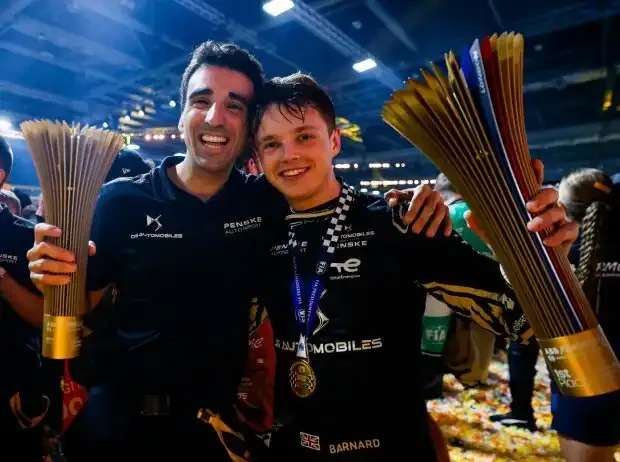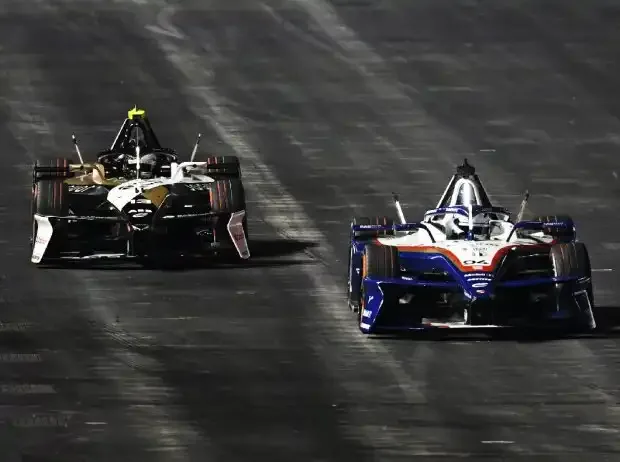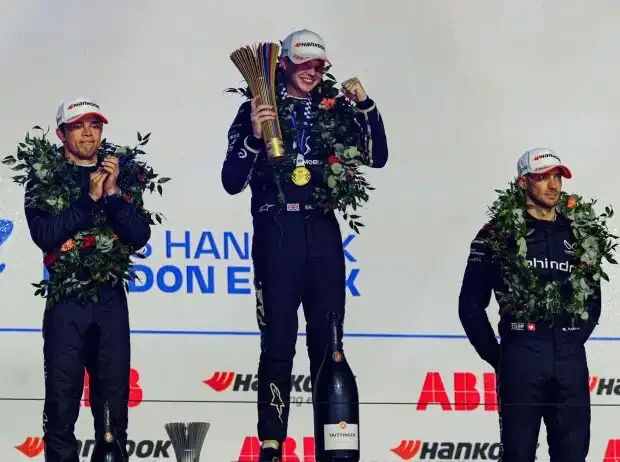






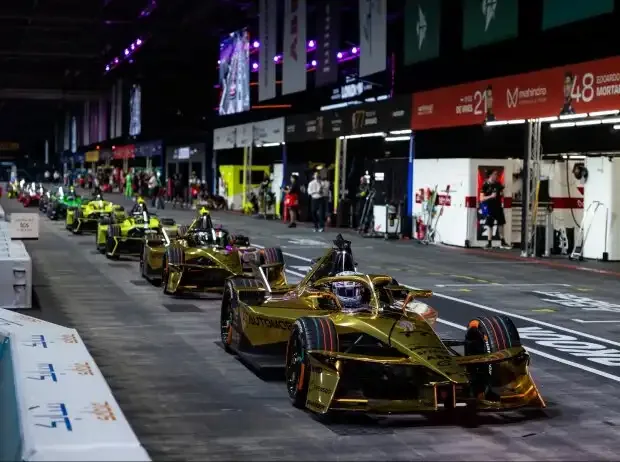
– Starting from positions 12 and 19, DS-Penske drivers Taylor Barnard and Maximilian Günther made their way forward in the first race of the London E-Prix. With the Briton finishing fifth, DS Automobiles symbolically broke the 2,000-point mark in Formula E (to be exact, it is now 2,005) – a new record in the history of the electric world championship.
Read more Formula E London 1: Pascal Wehrlein wins and takes the lead in the standings
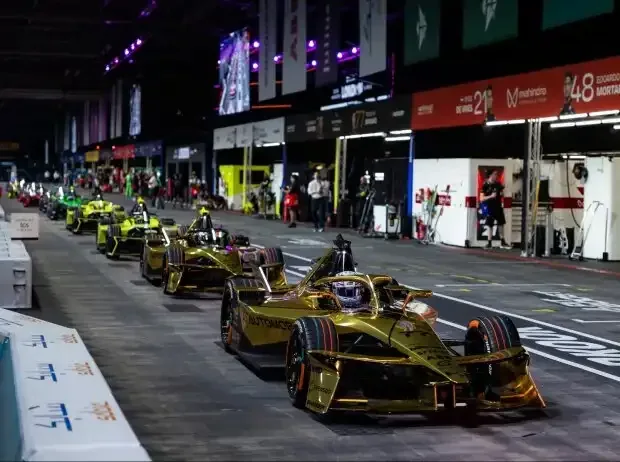
A difficult qualifying and uncomfortable starting positions did not prevent the two drivers of the French-American team from making a statement in the penultimate race of the season. With fifth and twelfth places, Barnard and Günther held their own under extremely demanding conditions.
The heatwave currently gripping Europe does not stop at Great Britain either: On Friday afternoon, the thermometer climbed to 33 degrees Celsius in the first free practice, with the asphalt being about ten degrees hotter.
The unique combination of indoor and outdoor sections at the ExCeL site makes finding the right setup extremely difficult. The constant change between blazing sun and cooler hall area causes the grip level to fluctuate greatly. While some competitors complained about the changing conditions, DS-Penske remained calm.
“Everyone is in the same boat. The focus must be on getting the maximum out of the car before qualifying,” explained Barnard. “The track is narrow, overtaking is extremely difficult. The starting grid is important, but nothing is impossible here.” Behind the wheel of his DS E-Tense FE25, which shines in a spectacular gold livery this weekend, the young Briton immediately underlined his form and finished with the fourth fastest time.
Hard day of work on Saturday
In the 40-minute free practice on Saturday morning, fine-tuning was the focus. Both cars made several pit stops to adjust details. “Even though we are no longer fighting for the championship this weekend, we want to achieve a top result,” emphasized Günther. “We have shown several times this season that we can compete at the front. I hope we can do that here as well.”
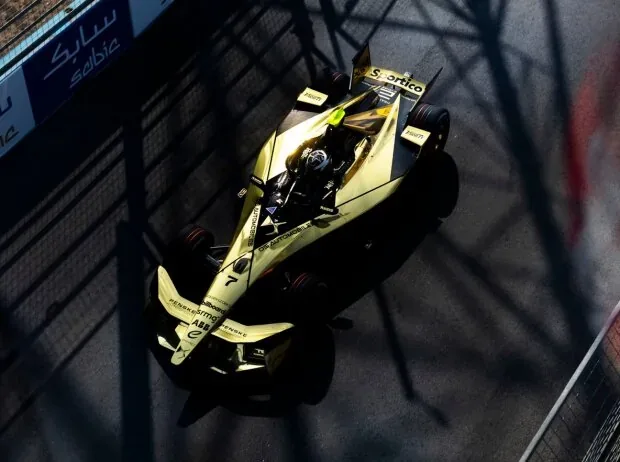
The temperatures were somewhat more moderate on Saturday, resulting in less extreme grip differences between the indoor and outdoor sections. With the track still uneven, the pace noticeably increased. Both DS-Penske drivers demonstrated their potential and stayed in the top 5 for a long time. As on Friday, Barnard also finished the second session in fourth place.
In qualifying, both drivers ended up in the same group – which complicated entry into the quarterfinals. In an extremely tight session, Barnard missed the knockout phase by just two-tenths of a second. Günther suffered a slight contact on his flying lap and had to park prematurely in the pits. This meant starting position twelve for Barnard and nineteenth for Günther.
However: While pole position brings three extra points, it is by no means a guarantee of victory in London. In the previous eleven races on the ExCeL circuit, only three polesitters have also won. Accordingly, the race was wide open for DS-Penske – especially since energy management has traditionally been one of the team’s great strengths.
Read more What lies behind the Cadillac quake — and why right now
Unusual strategy pays off
38 laps were scheduled for the first race. As with all double-headers, the mandatory pit-boost stop added extra spice, while the six-minute attack mode temporarily unlocked additional power. Since the track offers hardly any overtaking opportunities and accidents can happen quickly due to the narrow sections, the field initially approached the race cautiously. Energy saving was the priority.
A spin in lap 7 triggered the first full-course yellow phase. At the restart, both DS-Penske drivers remained in the midfield and conserved their batteries. At this point, they had about one percent more remaining energy than the direct competition. After the first third, only one driver had activated his attack mode; the majority waited until mid-race to strategically incorporate the mandatory pit stop for the pit boost.
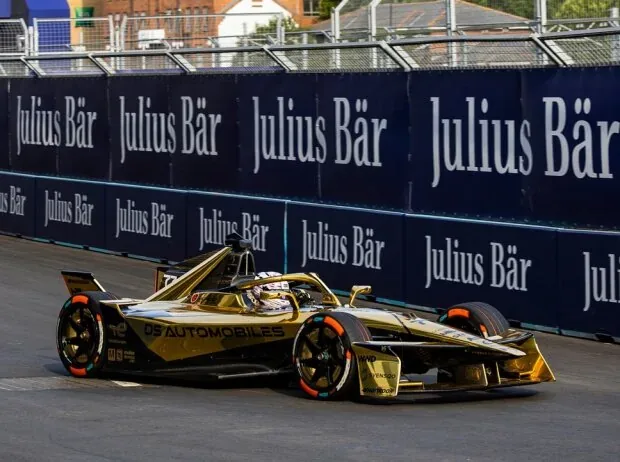
This is exactly where DS-Penske’s tactic came into play: While many cars pitted relatively early, Barnard and Günther extended their stints significantly. Both worked their way step by step into the top 10. Barnard finally activated his attack mode to directly convert the energy sport advantage on the track. Günther held back a little longer and saved reserves for the final sprint.
A second yellow phase – triggered by the stranded Lola of Lucas di Grassi – froze the field again. After the restart, the DS-Penske cars still had to complete their mandatory pit stop. Before entering the pit lane, Günther temporarily surged up to second place – a remarkable comeback by the German from starting position 19.
In the last ten laps, the pace increased drastically. The delicate energy saving gave way to hard battles. In the hectic final phase, Barnard perfectly utilized his team’s groundwork and crossed the finish line in a strong fifth place. Günther gained a total of seven positions and finished the race in twelfth place.
Beyond the pure race result, this top-5 finish has a historic dimension for DS Automobiles: With the ten points from Barnard, the French manufacturer has surpassed the magical 2,000-point mark in Formula E since its debut (then with DS Virgin Racing, later DS Techeetah, and today DS Penske). A milestone that underlines the brand’s significance in the electric series.
Tomorrow, Sunday, the very last race of the season will take place on the same circuit – then without PitBoost, but with eight minutes of attack mode.
Transparency note: This article was made possible with the help of a production cost subsidy from DS Automobiles. There was no content influence from DS on the article.
Read more Why even Mercedes is partly surprised by Kimi Antonelli