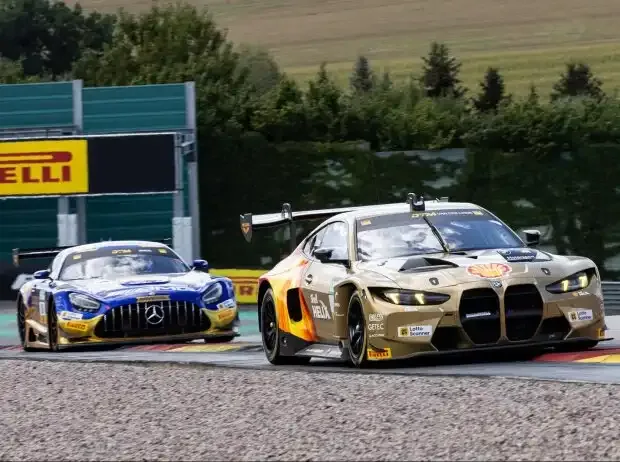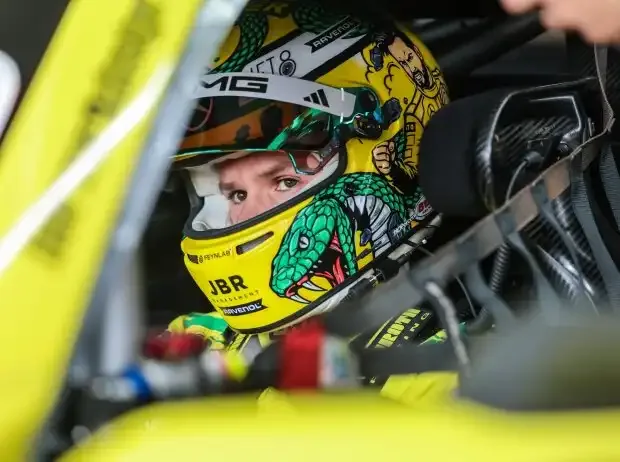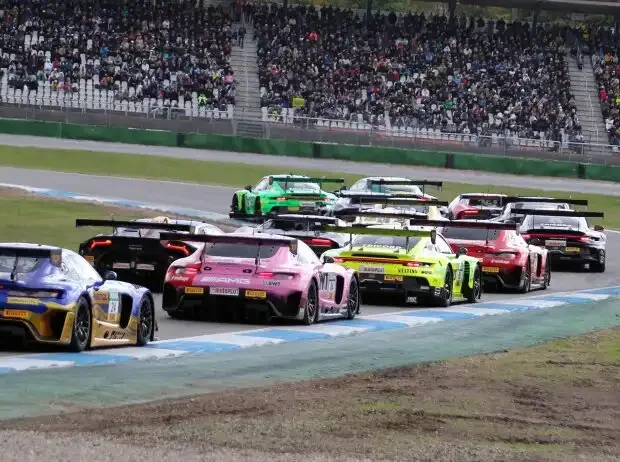

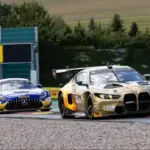


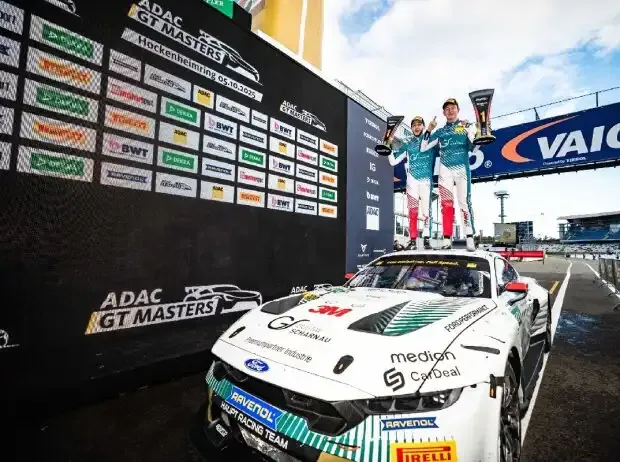
– Does the DTM need to come up with something regarding youth development? According to HRT team principal Ulrich Fritz, who promoted his 19-year-old ADAC GT Masters champion Finn Wiebelhaus to a DTM regular driver in the Ford Mustang this year, the framework conditions in the traditional series are anything but optimal despite the Road-to-DTM program – and there is a threat of a starting field that is too old.
Read more Verstappen’s future: Which two factors are different this time
“In the DTM, we have a problem with young talent,” he says in an interview with Motorsport-Total.com. “It feels like 20 to 30 percent new drivers who have recommended themselves in other series don’t come every year. It’s a perpetual motion machine of people who have either been there before or are coming back.”
An allusion to drivers like Timo Glock or Maro Engel, who were already at the start in the Class 1 DTM and are also involved in the GT3 DTM after a break. “But at some point you have to start,” says Fritz. “You can’t say, I’ll only take the old hands, because then in 20 years you’ll have nothing but 50-year-olds.”
Only two real rookies in the DTM in 2026
In fact, HRT Ford youngster Wiebelhaus is the only rookie in the 2026 DTM starting field alongside Land Porsche driver Bastian Buus, Emil Frey newcomer Matteo Cairoli, and Abt Lamborghini driver Marco Mapelli.
Aside from the fact that 29-year-old Cairoli, who won the 24 Hours at the Nürburgring in the “Grello” and was already a Lamborghini factory driver, is “not a young talent” according to Fritz. “I don’t mean that disrespectfully, but he has already earned his laurels in other GT3 series and shown what he can do.” The same applies to the already 38-year-old Lamborghini factory driver Mapelli.
Why is it so difficult for young drivers in the DTM today? According to Fritz, this has to do with the experience advantage of the factory drivers. “People like Finn come into the DTM and then drive against Jules Gounon, Maro Engel, or Arjun Maini, who sit in a GT3 car every weekend,” Fritz explains.
“It’s not like in football, where you go to the kickabout pitch”
“They already have a lot of experience and are the best of their kind, otherwise they wouldn’t be in the DTM. And now they are gaining even more experience. How on earth is a youngster like Kalender or Wiebelhaus supposed to catch up?” he asks.
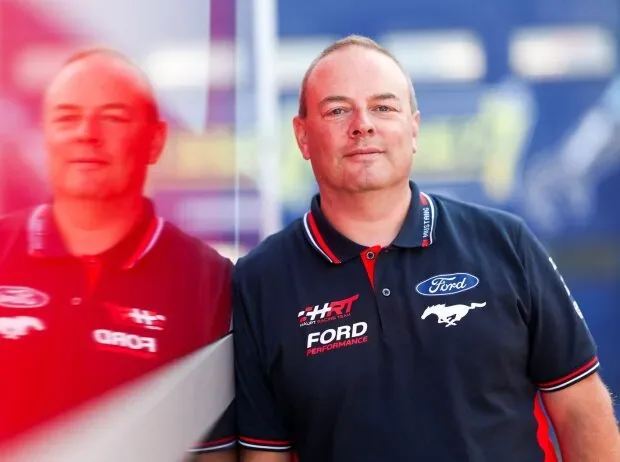
Especially since it’s not as easy to gain experience as in other sports. “In motorsport, performance is a mixture of talent and diligence,” says Fritz, who runs his own karting team with HRT and also enters three cars in the ADAC GT Masters. “With us, it’s not like in football, where you go to the kickabout pitch. For us, diligence means that you have to drive – and not just in the simulator.”
Read more Formula 1 forced break: Why Mercedes is now trembling for its lead
DTM program alone too little for young drivers
Therefore, it is so important that young drivers – like Wiebelhaus, who in addition to the DTM also sits in a Ford Mustang in the GT World Challenge Europe endurance series – “compete in at least one other series,” Fritz emphasizes. “Some even drive two or three more.”
In his opinion, “between 13 and 20 races” per year are optimal. “In any case, it should not be under twelve races – and also not over 25. Some see it differently, but there comes a point where it becomes too much.”
Photo gallery: DTM 2026: HRT team unveils Ford Mustang cars and snail design

But even driving in other series like the GT World Challenge Europe is not the ultimate solution according to Fritz, because in the DTM, where a restrictive testing limitation applies, tire heating is not allowed. “And now we are also driving completely different tires,” he refers to the introduction of the special Pirelli tire.
“Would be crazy to”: DTM not a good idea for Formula 2 drivers?
“One should think about it: How do you set incentive points? Because if I were a Formula 2 driver, I would be crazy to switch to the DTM,” he warns. “It is a super demanding series, but I know that I will get a bloody nose every time because there are nothing but specialists there. And I can’t catch up because I can’t test with the tires at all.”
Therefore, Fritz is now calling for consequences. “We have to think as a whole system: How do we become interesting for drivers even outside this GT3 microcosm?” he says. “That might work through additional test days or additional tires,” he already has a potential solution to make the start easier for a DTM youngster.
How is the DTM currently accommodating young talent? As a Road-to-DTM winner, Wiebelhaus pays no entry fee in the DTM, which amounts to 109,000 euros (plus 19 percent sales tax). But when you consider that a season causes costs of around 1.5 million euros, that is just a drop in the ocean.
- Other“Scariest track”: NASCAR veteran completely shocked by the Nordschleife
- Formula 1“Lost himself”: Hamilton confesses deep emotional change before 2026
- MotoGPMotoGP 2027: Who is allowed to test the new bikes before the end of the season
- Formula 1Verstappen’s future: Which two factors are different this time
In addition, the ADAC, which has the issue on its radar, gave teams permission at the Pirelli test at the end of March in Vallelunga to use a second car for rookies so that they could gain experience with the tires used in the DTM in 2025. However, only the Landgraf team with Tom Kalender made use of this.
Read more Ford GT pulverizes Corvette record: MK4 conquers Nordschleife