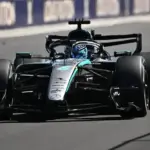

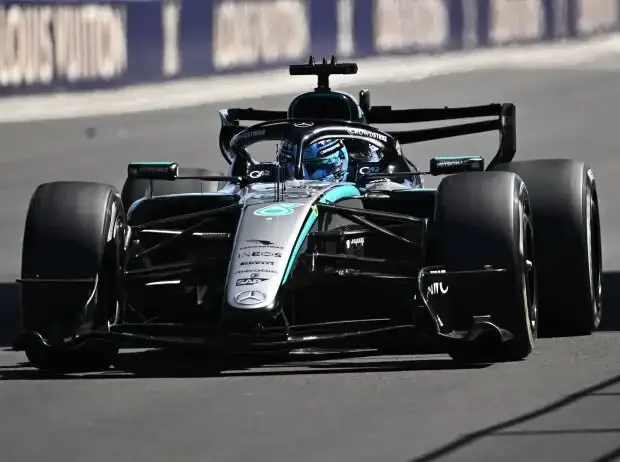
– Mercedes deputy team principal Bradley Lord explained why George Russell came into the pits under the virtual safety car despite starting on hard tires at the Spanish Grand Prix in Madrid last weekend.
Read more Formula 1 2027: Which tracks are out and which are new additions
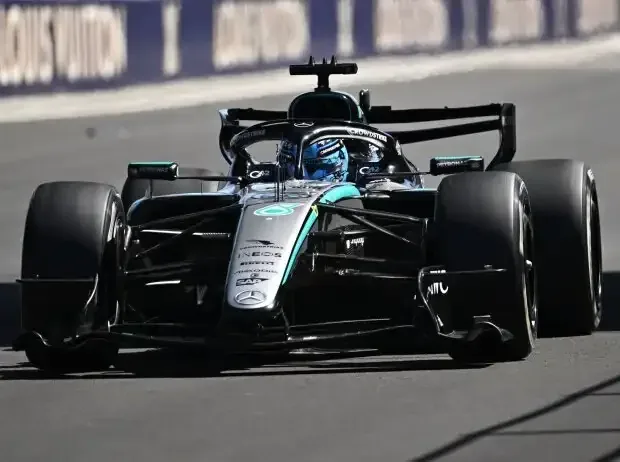
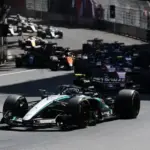
Russell was the only driver from the top teams on Sunday who did not opt for a one-stop strategy on the Madrid circuit, where overtaking was scarce – which was mainly due to the timing of the VSC deployment.
The race control neutralized the race at the end of lap 14, which played into the hands of the four leading drivers who had started on medium or soft tires – except Lando Norris, who had already passed the pit entry before the VSC.
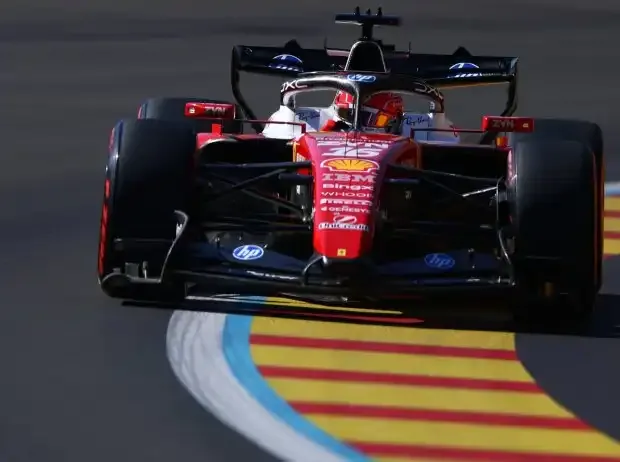
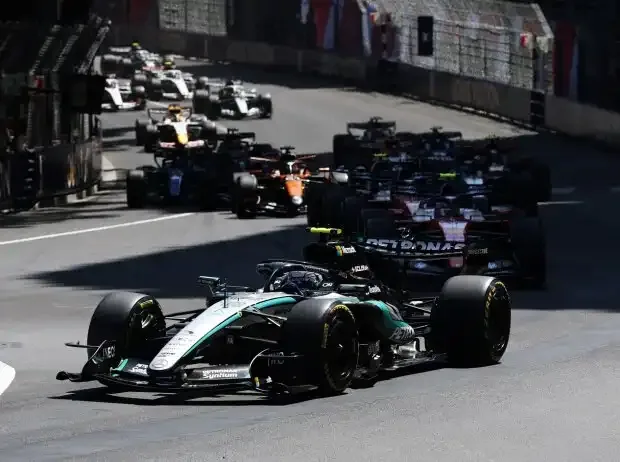
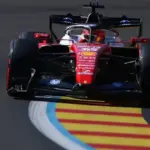
Drivers like Charles Leclerc and Russell, on the other hand, had started the race on hard tires. Leclerc stayed out and led the race until his pit stop on lap 48, while the Mercedes driver switched to medium under the VSC and later back to hard tires.
Meanwhile, Mercedes teammate and championship leader Kimi Antonelli won after the fortunate neutralization cleared pole-sitter Norris out of the way. “The VSC affected George quite differently,” emphasizes Lord.
“It came at the worst possible time [for Russell], as he had started the race on hard tires and his plan was to run long and take advantage of later race events,” explains the deputy team principal.
“He started the race from P6 on the hard with the plan to do a one-stopper. When the VSC came out, he was the second car on hard tires behind Leclerc’s Ferrari. That’s why we instructed George to do the opposite of Leclerc.”
Read more MotoGP Spielberg: Ogura makes a comeback, Nakagami replaces Mir
Photo gallery: Madrid: Driver ratings by Marc Surer and the editorial team
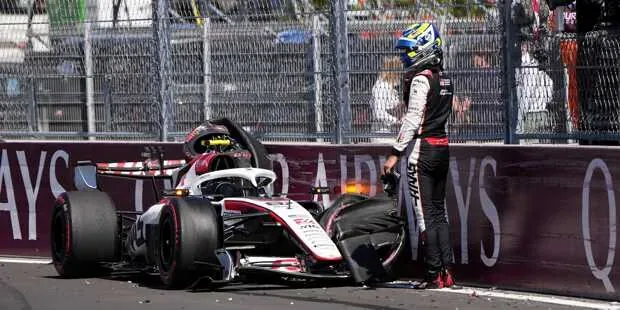
“Why? Because otherwise he would have simply followed Leclerc to the finish. The opportunity for an undercut was very, very limited, and the chance to overtake was almost non-existent for cars with similarly aged tires,” Lord recalls.
“So we put George on medium. We knew that this medium would not last 43 laps to the end, but we wanted to do something different. So George did a 20-lap stint, and then we switched back to hard because you wanted to be on the hard tire in the race as long as possible.”
“George then showed a really impressive performance. He was fast enough to probably force Leclerc to pit earlier than Ferrari wanted, and so Leclerc came in, gave Kimi clear track ahead, and George put Leclerc under pressure on the fragile soft tires in the last laps and ultimately finished only 0.7 seconds behind.”
“After the race, George was very pragmatic. He said it actually wouldn’t have mattered what we did – whether we kept him out or brought him in. Given the difficulty of overtaking in Madrid, he would very likely have finished fifth anyway.”
Despite the fastest race lap by four tenths of a second, Russell’s result was another setback for his title hopes. The Briton is now 81 points behind Antonelli and considers it “extremely unlikely” to still fight for the 2026 world championship.
Read more Why Ferrari has not yet shifted focus to the F1 car for 2027