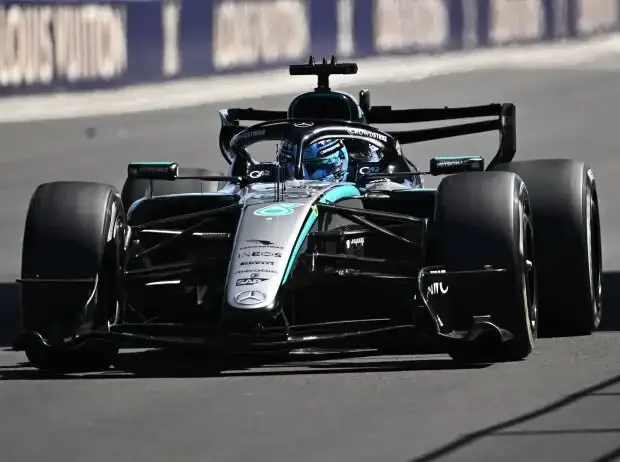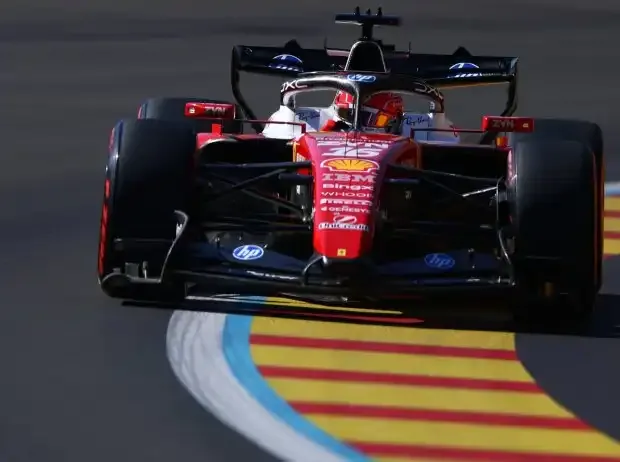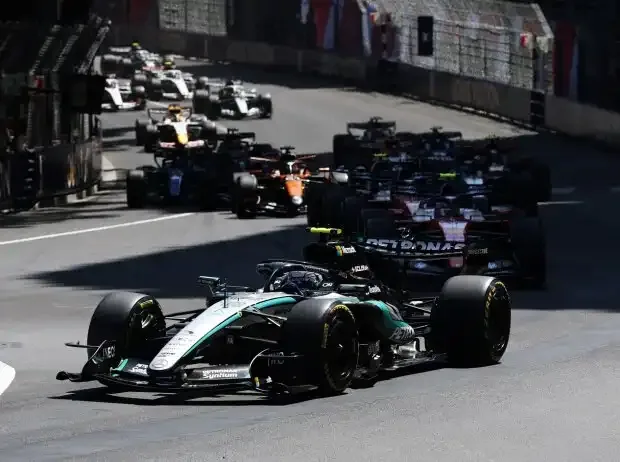
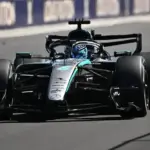



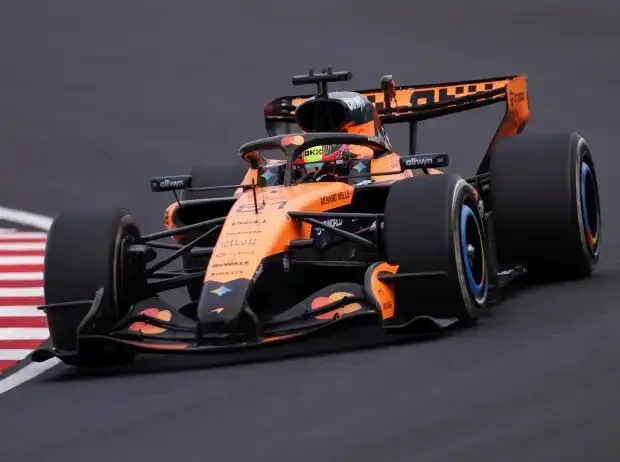
– Oscar Piastri explains that Formula 1 drivers must focus on “non-obvious” data points to maximize their qualifying laps with the new cars. He says that a completely different approach is required to achieve peak performance.
Read more Formula 1 dream instead of IndyCar glory: Colton Herta explains why
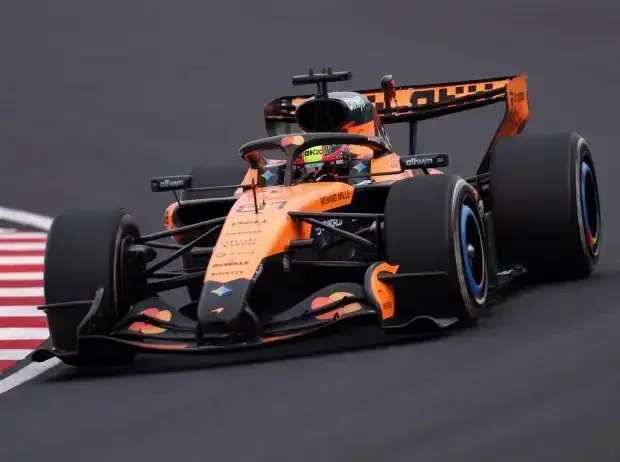
“It took a lot of energy, I think mainly because you’re looking in such unexpected areas,” he says about adapting to the new rules. “We’re working out the optimal points for when we should go full throttle at the start of a qualifying lap – we never had to worry about that before.”
“How you get back on the throttle in a specific sequence of corners is crucial; depending on the speed of that corner, the battery and power unit behave differently here than there. You’re trying to figure out all these things that we never had to do before,” says the Australian, emphasizing: “These are not obvious things you’re looking for.”
Photo gallery: Formula 1 Fails: These rule changes were a flop
The McLaren driver thus joins the general frustration of taming the new cars and rules in qualifying trim – especially when lifting the throttle and using energy at different points in a lap (even if it temporarily slows you down) ultimately leads to the fastest overall lap time.
This means: full throttle is no longer rewarded and can even be detrimental in doubt. This is one of the biggest criticisms of the regulations, as it takes away some of the spectacle from qualifying, because the drivers can no longer extract the ultimate performance from the car over a single lap.
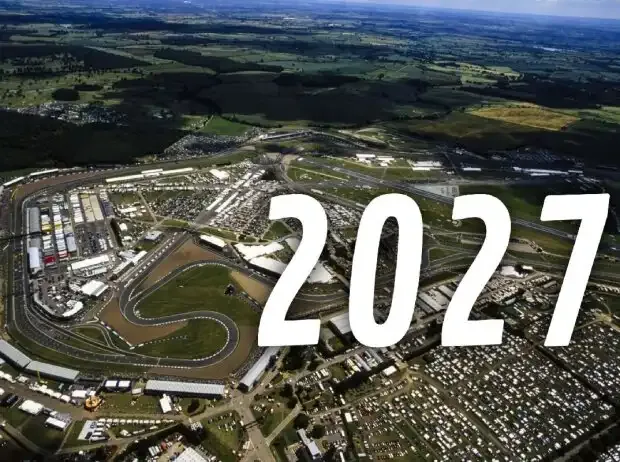
Read more Hockenheim: Formula 1 return only conceivable as a rotation race?
“Normally we try to brake a bit later here or do all the usual things a driver does. It’s exhausting because it’s not like you’re just pushing a car to the limit, feeling the tires or something where the feedback is almost instantaneous and it’s a very physical feeling,” says Piastri.
“All this new stuff you have to figure out through trial and error to know if you’re doing it right or not. It’s been tough and a lot of energy has been spent on it, but that’s pretty much the majority of the lap time right now.”
Formula 1 before restart: Is better racing coming now?
Although he would prefer to push the throttle fully in qualifying, he accepts that the new approach is the only way to succeed. However, with rule adjustments made in time for next weekend’s Miami Grand Prix – including lowering the energy recovery limit from eight to seven megajoules – Piastri hopes this can help solve the problem.
Less energy recovery will mean that while the 2026 cars will be slower, it reduces the need for lift and coast and super-clipping. The crucial advantage of this is that it should help bring qualifying back closer to the limit. “Hopefully these adjustments mean we don’t have to focus so intensely on such things anymore,” says Piastri.
Read more “Once bitten, twice shy”: Maro Engel alludes to arch-rival Rast after winning maneuver