– The shortcomings of the Honda Formula 1 engine, which are currently hindering Aston Martin, could have direct consequences for the Japanese manufacturer’s MotoGP activities. This is because both divisions have been integrated under the same Honda Racing Corporation (HRC) structure over the last five years.
Read more Team Principal assures Max Verstappen: “We are listening to him”
Being the largest manufacturer in the MotoGP paddock brings clear advantages. Honda, for example, has been able to largely stay out of the tensions that have arisen in recent months between the Motorcycle Sports Manufacturers’ Association (MSMA) and MotoGP Sports Entertainment, the series promoter.
Both sides are currently negotiating the terms of a new commercial agreement that will bind them from 2027 to 2031. However, Honda has preferred to keep some distance from the block of other manufacturers—Ducati, Yamaha, Aprilia, and KTM—behaving almost as if the matter did not directly concern them. But as is often the case, the situation is rarely just black or white.
Belonging to the group of the ten most powerful automobile manufacturers in the world provides financial strength, but it can also expose a brand to problems that arise outside its immediate sphere of influence. At the moment, the fire that Honda most urgently needs to put out is in Formula 1.
Honda struggles for performance and reputation
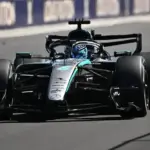
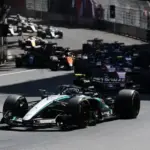
Aston Martin is in deep trouble due to the AMR26 engine unit supplied by Honda this year. At the season opener in Australia this weekend, the Silverstone-based team practically underwent a public catharsis.
Adrian Newey, whom team owner Lawrence Stroll signed to lead Aston Martin to the top, openly highlighted the weaknesses of the power unit.
The renowned British designer did not mince his words when explaining the cause of the reliability problems that prevented the team from completing a normal preparation program for the new Formula 1 season.
During the six days of testing in Bahrain, the two Aston Martin cars covered only 2.111 kilometers – compared to 21.551 kilometers for the eight Mercedes-powered cars and 16.121 kilometers for the six Ferrari-powered cars.
According to Newey, engine vibrations are damaging the batteries and are transmitted through the chassis and steering wheel to the drivers’ hands. “It’s like sitting in an electric chair,” Lance Stroll is said to have described it. Neither he nor teammate Fernando Alonso were able to finish the season-opening race.
Does the Honda crisis also have consequences for MotoGP?
So far, Honda has limited itself to accepting the criticism without trying to mitigate the potential damage to its image and reputation. It is taken for granted that alarm bells have been ringing at HRC headquarters in Sakura to find a solution to the performance misery as quickly as possible. At the same time, another department is preparing for the collateral damage of the Formula 1 crisis.
Read more Lotterer and Genesis: Between start-up mentality and big corporation power
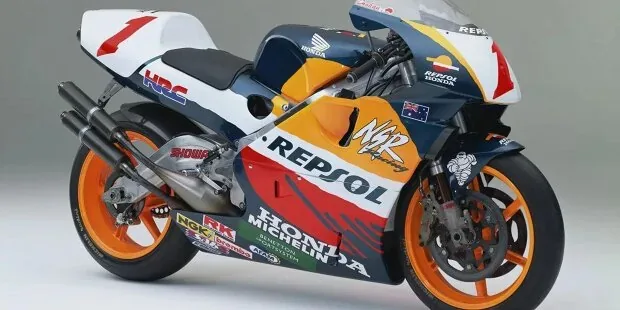
Photo gallery: From NSR500 to RC213V: All Honda MotoGP bikes in the Repsol era
“In MotoGP, this will definitely have an impact,” a Honda manager with direct links to the two- and four-wheel departments told Motorsport.com. “We share the same structure with Formula 1, and immediate efforts will now be directed towards solving this problem.”
Even the relatively good performance of Honda’s motorcycle sales – in contrast to the general downturn in the automotive sector – might not be enough to bolster the arguments of MotoGP bosses Yuzuri Ishikawa and Taichi Honda when Hikaru Tsukamoto steps down from his post on 1. April.
“In Japanese corporate culture, it is very unusual for a subordinate to question an instruction from above,” explains a source close to the matter.
Ironically, the Formula 1 “fire” is breaking out just as Honda is showing significant progress in MotoGP, at least according to the numbers. Last season, it was the manufacturer that improved the most compared to 2024, moving from concession rank D to C.
In MotoGP, it could cost progress
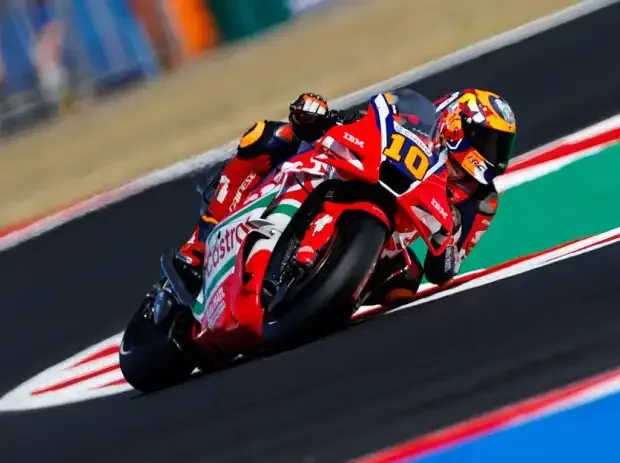
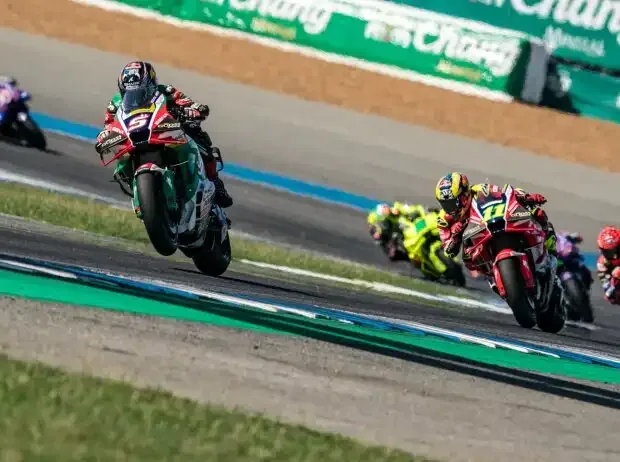
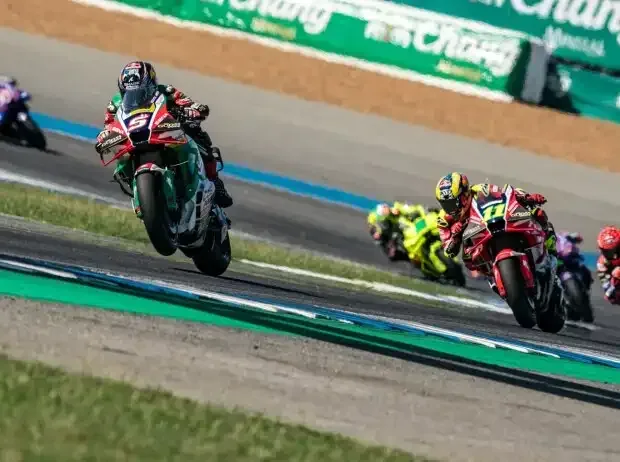
Two weeks ago in Thailand, at the MotoGP season opener, a particularly competitive Joan Mir was fighting for fifth place against Fabio Di Giannantonio before the Spaniard’s rear tire failed five laps from the end.
On this wave of positive momentum and in view of a comprehensive regulation overhaul 202, it is understandable that Honda’s MotoGP team is concerned about decisions that HRC management might make while trying to untangle the complex situation in Formula 1.
The position with the greatest responsibility is held by HRC President Koji Watanabe. Under his leadership, Honda decided in 2022 to merge its two- and four-wheel racing programs under a single structure to optimize resources and create technical synergies – particularly to support MotoGP, where the brand was in a deep competitive slump at the time.
“We have started to use HRC’s facilities in Sakura – a development center for Formula 1 engines, power units, and chassis for four-wheelers – for our two-wheel projects as well,” Watanabe told Motorsport.com in October 2024. “The collaboration between the two- and four-wheel departments is very beneficial.”
At that time, Red Bull with Max Verstappen, then still powered by Honda engines, was aiming for a fourth consecutive world championship title, a stark contrast to the ordeal that Aston Martin is going through in the early stages of the season.
Read more For the 50th anniversary: Summit of champions at the NLS season opener