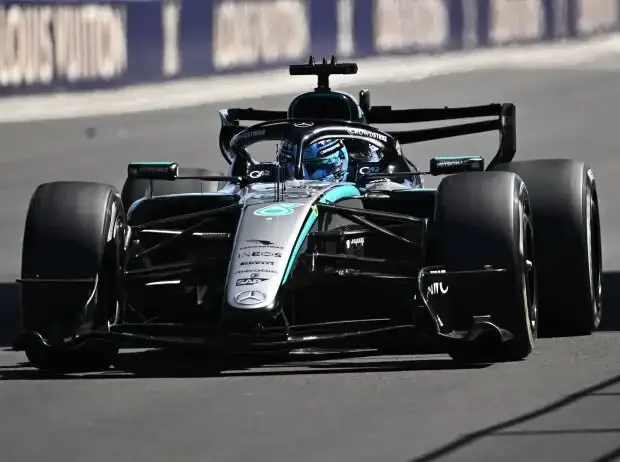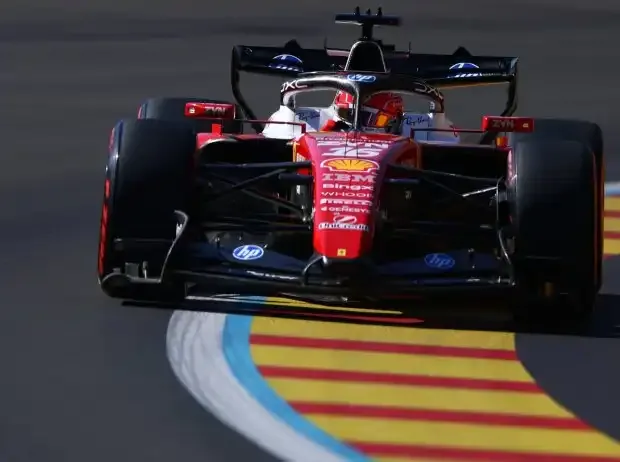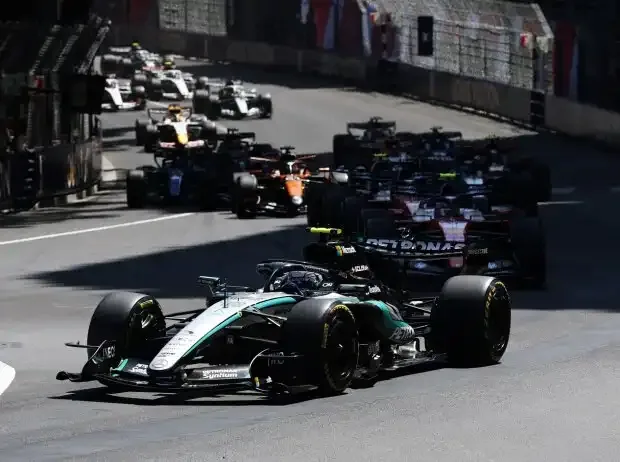




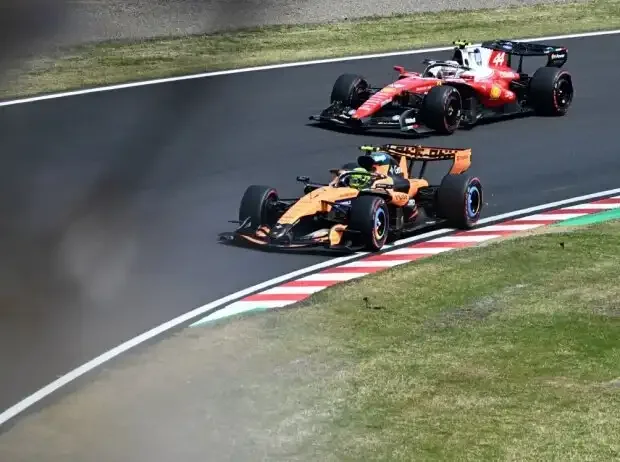
– Lando Norris caused a stir with a statement after the Formula 1 race in Japan: Are the drivers no longer masters of their vehicles? This was suggested by the world champion, who said he didn’t want to overtake Lewis Hamilton at one point during the race, but because the battery continued to release energy against his will, he was virtually forced into the maneuver.
Read more Bortolotti’s DTM déjà vu: Is the 2024 SSR title team forming at Grasser?
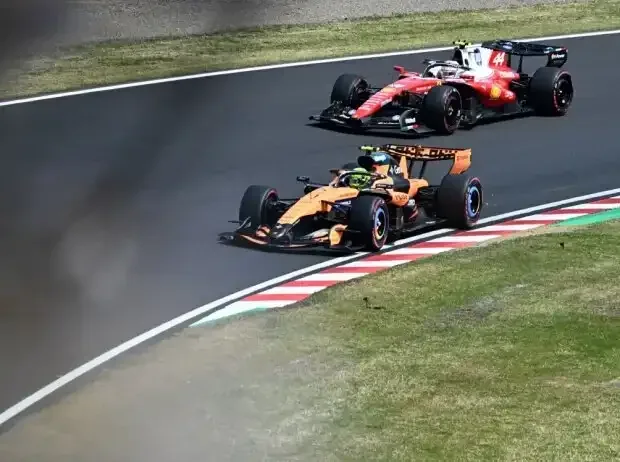
McLaren team principal Andrea Stella tries to explain the situation surrounding his protégé, who had overtaken Hamilton in the final chicane but was then swallowed up again by him on the following straight due to the empty battery.
The problem is that the drivers don’t have enough energy to be fast on all the straights. “So you basically have to choose when you want to attack or defend,” explains Stella. In McLaren’s case, the best time to attack Ferrari on Sunday was actually between the Spoon curve and the chicane.
Photo gallery: Suzuka: The driver ratings from Marc Surer and the editorial team
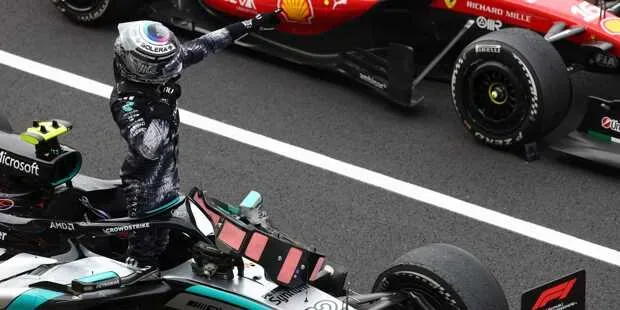
“If you press the boost button there, you get an extension of the MGU-K deployment. That consumes a lot of energy,” says the Italian. However, this also significantly increases the approach speed towards 130R. “We’re talking about 340 km/h, and at 340 km/h, 130R is no longer a full-throttle matter,” says Stella.
“So you don’t just lift because you want to charge the battery, but you lift because otherwise you’d have a stability problem. Lifting in 130R is therefore not just related to energy management, but is a grip-related limitation.”
Read more Marc Marquez admits: “Can’t make a difference”
But: If you get back on the gas after lifting, the regulations force you to use the electric motor again. “That means you have to strain your battery even further,” says Stella. “And that very likely leads to you running out of battery after the chicane, even if you have completed the overtaking maneuver.”
Japan Data: Why Antonelli would have won even without a Safety Car!
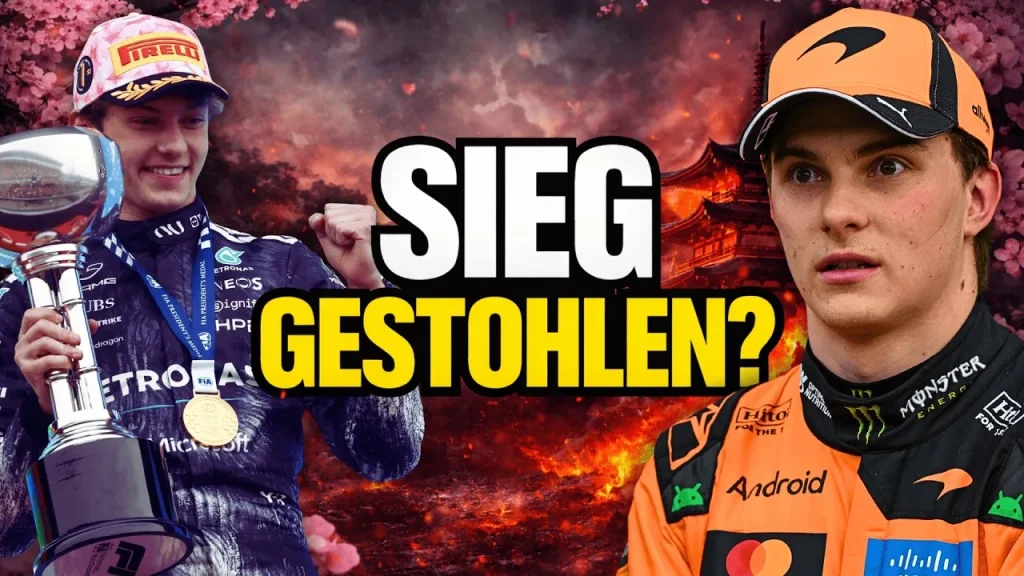
That is exactly why Norris was then overtaken again on the start-finish straight. But Stella thinks that the regulations could put a stop to this issue.
“You could allow the engineers to choose track sections themselves where no electric motor is switched on after lifting when getting back on the gas. That way, you would have more freedom in the way you use the battery,” he says.
“I think otherwise you end up in situations like Lando’s, who overtook Hamilton a few times and was immediately overtaken back. I believe there would be the possibility to give the drivers and engineers more leeway here.”
Read more After Formula 1 cancellation: Max Verstappen reveals whether he will race at NLS3 now