








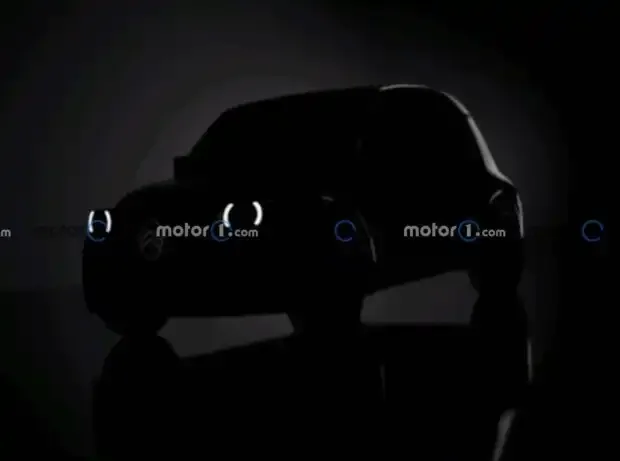
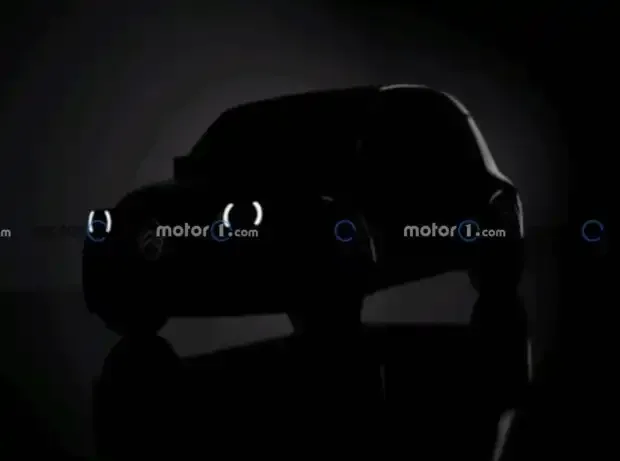
(Motorsport-Total.com/Motor1) – 1948 premiere of the original, 2028 market launch of the successor: The legendary Citroën 2CV is said to be on the verge of a comeback. Stellantis showed a first teaser of a possible Neo-Ente today as part of Investor Day 2026 – an event for shareholders that also serves as a stage for the group’s new industrial plan.
Read more Who qualifies for ADUO? Red Bull shares its ranking
The program is called FaSTLAne 2030, is planned for five years, and foresees investments of over 60 billion euros. This is intended to finance – among other things – the development of more than 60 models as well as 29 all-electric new models. And exactly among these should be the new edition of the Citroën 2CV.
French classic from Italy
The news gains additional significance through the note that the new Ente is to be the first Stellantis model in the new “e-car” category – the term the group uses for a new class of electric cars produced in Europe with a price of around 15,000 euros. The “e” stands for European, affordable, and ecological.
If it comes to this, a Neo-Ente would be built from 2028 in Italy – specifically in the former Alfasud plant Pomigliano d’Arco near Naples – and celebrate its premiere at the Paris Motor Show 2026. As can be seen on the slide shown above, the new 2CV would not be alone: Stellantis seems to plan three different models, one of which could be a new Fiat Panda.
Read more 15 years of effort: Maxime Martin finally follows in his father’s footsteps
The design clearly borrows from the first 2CV – such as the curved hood, the wheel arches protruding from the body, and the round front headlights. A nostalgia operation with a clear signature, similar to Fiat’s approach with the 500 and Grande Panda as well as the French rival Renault with the Renault 5, Renault 4, and Twingo.
More electric novelties
In the electric sector, the FaSTLAne-2030 plan also includes the launch of a new platform called STLA One. It combines five architectures into a scalable base that can accommodate models from segments B, C, and D – with the goal of reducing production costs and thus (ideally) also the final prices.
Cheaper lithium iron phosphate batteries (LFP) are to be used. One of Stellantis’ goals is to triple the BEV market share in Europe by the end of the decade.
Read more No surprise: This is what Kimi Antonelli skips before every Grand Prix
More about the legendary Ente:
Time travel: On the road in the Citroën 2CV
Ente à l’Orange: A special Citroën turns 50 years old