






(Motorsport-Total.com/Motor1) – Ford has always had a knack for radical design changes that initially made the experts take a deep breath. Think of the “bathtub” (Taunus 17M) from 1960 or the Sierra from 1982, which with its aero shape marked the end of the angular Cortina era.
Read more Lewis Hamilton reveals: Work on the second part of «F1» has been ongoing since 2025
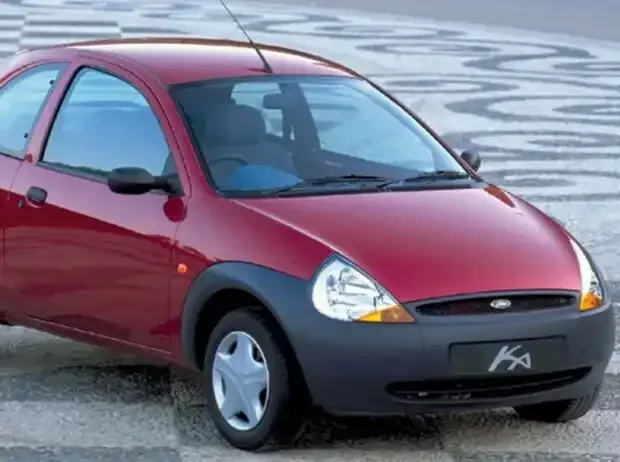
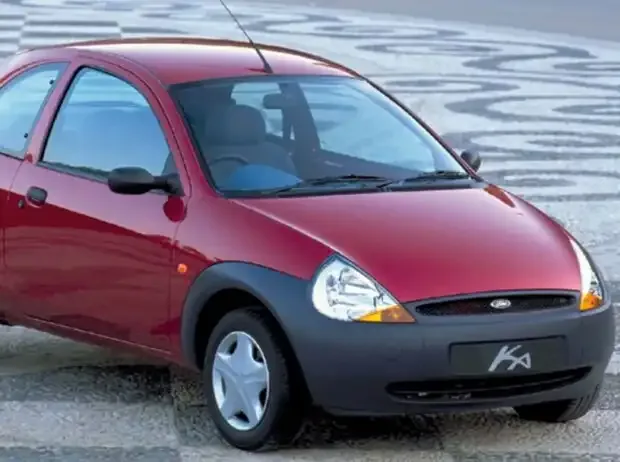
In 1996, the next sensation follows: a small car called the Ford Ka. Today, in 2026, the first generation proudly turns 30 years old – and while it still seems like a used car for beginners to many, it now technically and visually officially enters the realm of classic cars.
First strike in the sub-B segment
At the end of 1996, Ford marks a new territory: “Sub-B,” later commonly known as city cars. The Cologne-based company is the first German manufacturer with a serious offering in this class. The VW Lupo is still awaited at this time, while France scores with the Renault Twingo.
The 3.62-meter-long Ka ironically owes its existence to the size growth of the Fiesta. When it debuted in 1976, the Fiesta was a petite 3.56 meters long; by 1996, it had already grown to 3.82 meters.
Photo series: Ford Ka (1996-2008)
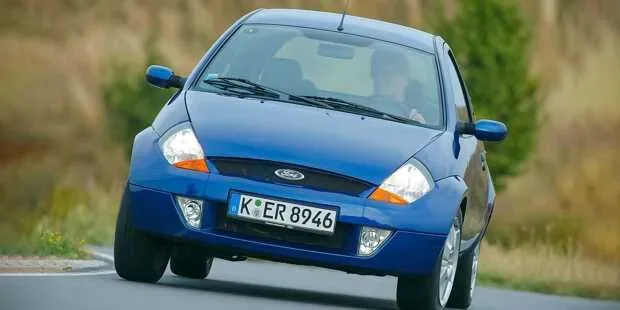
The development center in Merkenich takes the opportunity and plants the proven Fiesta technology under a radically new shell. The Ka (whose name, by the way, has Egyptian roots and describes a kind of life force) is the first production model in the so-called New Edge design. This mix of soft curves and sharp edges later also shapes the first Focus and breaks radically with the bio-design of the early 90s.
Plastic panels and space miracle
The appearance is dominated by massive, unpainted plastic bumpers. This is extremely practical in city traffic but divides opinions. Nevertheless, the Ka attracts attention. The specialist press compared a drive through the city center back then to a “walk down the runway.”
But the utility value is not neglected. With an unusually long wheelbase of 2.45 meters for this class, the Ford offers surprisingly much space. Even two crates of water fit in the trunk, and the headroom is considered surprisingly generous. The equipment is also impressive: adjustable seats, a split rear bench, and power steering (in the 60-HP version) are on board.
Read more Stefano Domenicali: «The regulations definitely need to be improved!»
Drive: Proven under the hood
Under the avant-garde sheet metal, Ford remains conservative. At launch, there are two 1.3-liter four-cylinder engines with 50 or 60 HP. With acceleration times of up to 17.7 seconds to 100 km/h, the Ka doesn’t win any traffic light duels but impresses with its driving behavior. It runs through corners almost neutrally and often offers more driving fun than significantly more expensive, sportily ambitious cars.
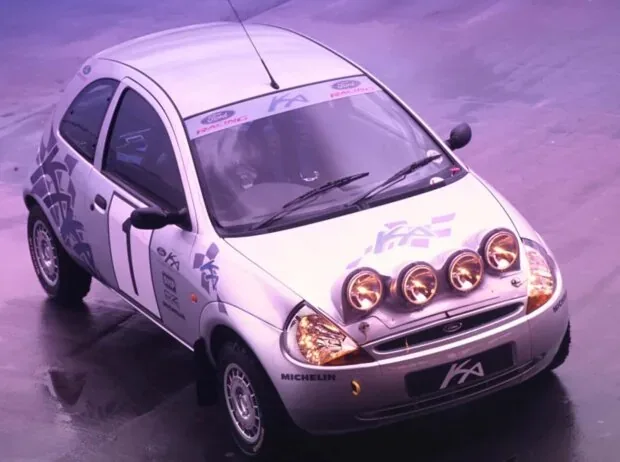
Over the years, Ford broadens the range widely: the limited “Edition Lufthansa” (1997) is a premium dwarf with yellow-trimmed leather seats for a proud 23,500 Deutsche Mark. Much cheaper is the Ka “Student” in January 2005 for only 7,990 euros.
From 2000, there is an electric folding roof with one-touch function. In 2002, it becomes even more consistent with the Pininfarina-built Streetka with 95 HP, a real eye-catcher for sun worshippers. In 2003, the Sportka follows, which with the 1.6-liter engine of the Streetka and a crisp chassis provides quite some fun. Incidentally, a certain Wayne Rooney advertised it.
The balance after 1.5 million units
In June 2002, the one-millionth Ka rolls off the production line in Valencia. Remarkable: around 65 percent of buyers are new customers – a conquest rate that hardly any other model of the brand achieves. Production ends in 2008 after around 1.5 million units.
Anyone looking for an original Ka today finds an affordable entry-level hobby. But beware: rust relentlessly gnaws at sills and fuel caps, often worsened by poor care from previous owners. But whoever gets a good specimen owns a piece of design history that still doesn’t look old after three decades.
- DTMHRT team announces new structure: Was Hubert Haupt really out?
- IndyCarMick Schumacher in interview: “Great things on the horizon”
- Formula 1Best time by Kimi Antonelli at Formula 1 test at the Nürburgring
- Formula 1F1 team boss: Should make changes in several phases
More from Ford history:
Ford Escort (1990-2000): Classic of the future?
Time travel: On the road in the Ford Granada Turnier 2.8 Injection (1984)
Read more Best time by Kimi Antonelli at Formula 1 test at the Nürburgring