





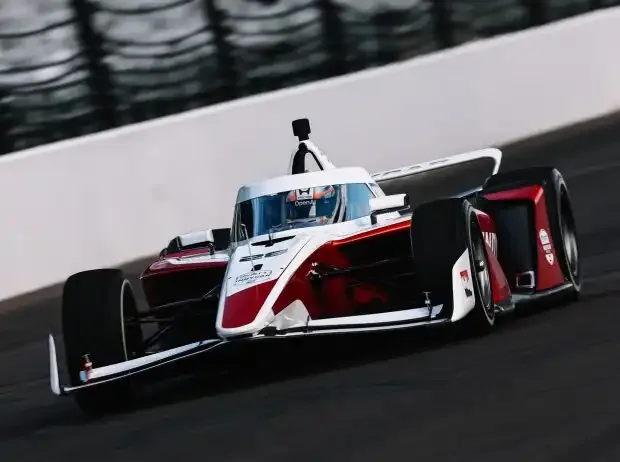
– The IndyCar series took an important step towards the future last week at the Indianapolis Motor Speedway. Alexander Rossi and Alex Palou completed the first oval laps with the new generation of cars from 2028 onwards. The new chassis left a predictable impression during the test runs on the 2.5-mile oval, as the drivers report.
Read more Penske boss on Estre trial: «IMSA just wants to make an example»
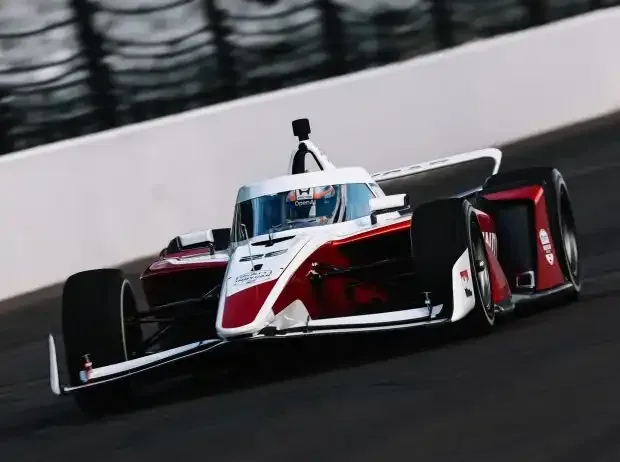
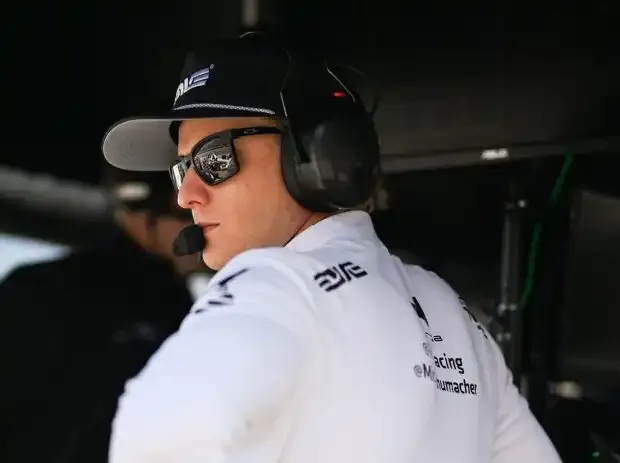
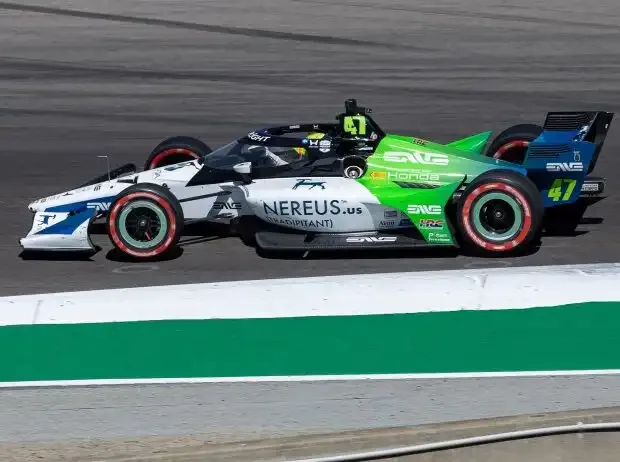
The kickoff was made on Wednesday by former Indy 500 winner Alexander Rossi from Ed Carpenter Racing. In midsummer temperatures of over 32 degrees Celsius and high humidity, the American covered important kilometers to evaluate the basis of the Dallara-built car. A 2.4-liter engine without branding was installed, the hybrid system was not yet on board.
“It does everything an IndyCar vehicle should do here,” Rossi draws a first conclusion. “We worked through some basic mechanical and aerodynamic changes to understand the differences that will come in two years. There were no surprises, it was really quite ordinary.”
Oval Test Runs Dallara IR-28 Indianapolis
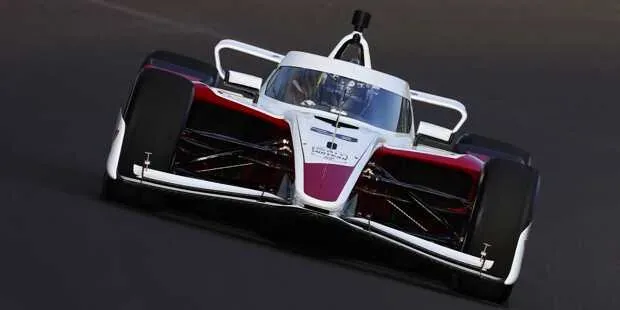
The IR-28 chassis is designed to be lighter than the current generation of cars and features revised aerodynamics. These are intended to increase stability and reduce turbulence when a car is driving closely behind a competitor.
“I wouldn’t say this car is drastically different from the current one,” explains Rossi. “If you are really picky, there are a few fine details here and there. But generally, you must not forget that the current Speedway car here is extremely mature and very good.”
According to the American, the main goal in this early phase is to collect data: “I don’t think there have to be big, obvious problems. Everything is still at the beginning. We are trying to gather driving time and understand what small adjustments do.”
Palou confirms familiar feeling
On Thursday, the current champion and 2025 Indy 500 winner, Alex Palou, took over the test car for Chip Ganassi Racing. An approaching cold front lowered the temperatures by almost five degrees Celsius, providing additional data under changed conditions. Palou even finished the test program 15 minutes earlier than planned, as all checklist points were completed.
Read more Lamborghini Temerario Police Car: 920 HP for Vital Special Missions
Although the main focus was on extreme ride heights and aerodynamic setups and not on pure lap times, the car noticeably gained speed. “Because of the weather, we managed many more laps than expected, and the car felt good,” reports Palou.
“We actually gained quite a bit of speed and improved by more than two miles per hour over the course of the day without really having to work hard for it.” According to observers, the average speeds were in the range of 210 to 220 miles per hour, which corresponds to a normal race pace of the previous generation of cars. The new car is supposed to break records one day.
Compared to the road course test, the oval variant felt more familiar to the Spaniard: “On the road course, you fought much more with the car, that was quite different. Here it felt smooth, but in my opinion, it is very similar to our current car.”
In addition, the team solved a problem with interior cooling that had occupied Rossi the day before. “I think temperature was an issue for Rossi yesterday,” says Palou. “But we were able to open additional cooling that is present on this car but not on the current one. That worked very well.”
With the data collected from Chevrolet and Honda, IndyCar and Dallara continue the development of the IR-28 before the car makes its official race debut in 2028 and replaces the ancient current chassis from 2012.
Read more China-Held Hartog loses Nordschleife permit after Code-60 violation