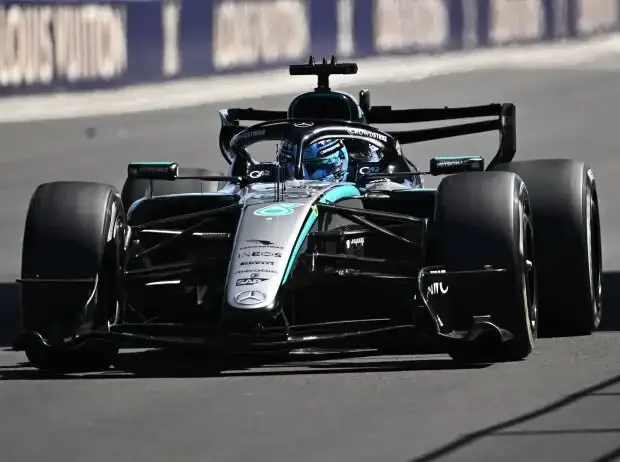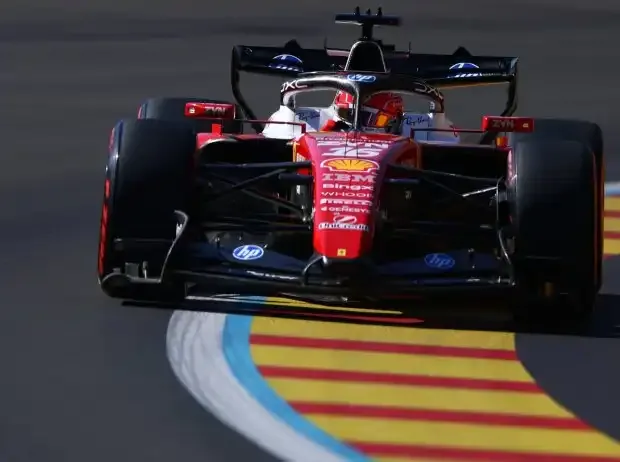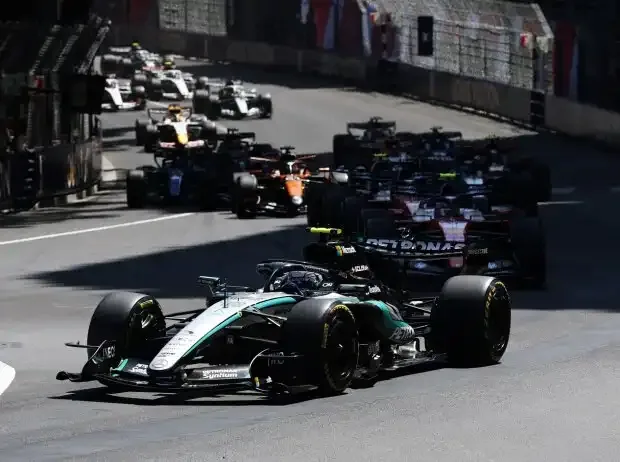



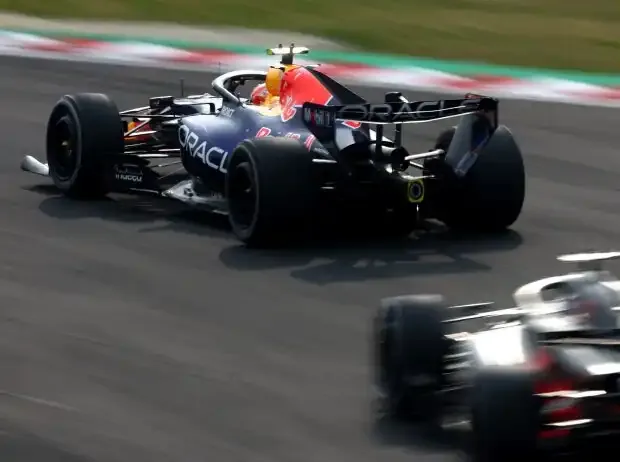
– Formula 1 CEO Stefano Domenicali believes that new fans are less interested in engine formulas or the sound and more in seeing a good show. But is that really the case? The recent historic Grand Prix in Monaco as well as a McLaren demo event suggest that these two aspects do not necessarily have to exclude each other.
Read more VW ID. Polo (2026): All information about the 7th generation of the classic
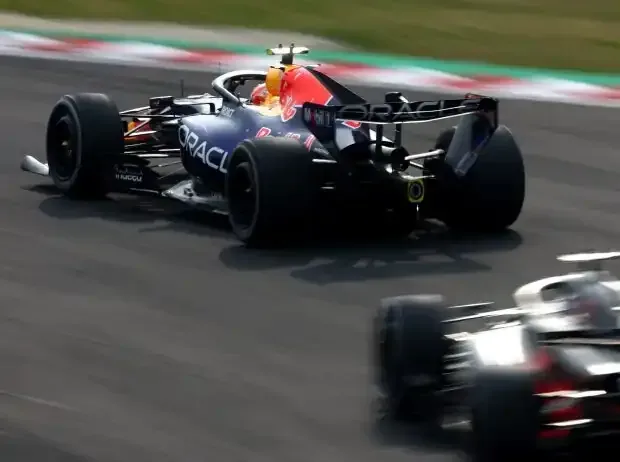
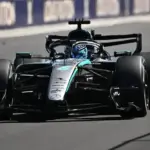
In Miami, the second part of the 2026 Formula 1 season effectively begins. In the paddock, there is some talk that the season is in a way restarting, although this seems somewhat exaggerated. While the rules have been refined and the teams had the opportunity to significantly further develop their cars, this will not change everything overnight.
Looking at the competitive picture, Mercedes’ strength will not simply disappear. It is no coincidence that George Russell said he does not expect “drastic changes” in Miami. Although he admitted that the team’s lead is not infinite. Naturally, the focus is on the competition, especially on the upgrade packages from Ferrari and McLaren, but that does not mean that everything from the first three race weekends is obsolete.
The same applies to the regulations and the adjustments before Miami. The changes now officially ratified by the FIA World Council are intended to address certain weaknesses such as qualifying and speed differences, but they will not fundamentally change the racing.
This would also be politically sensitive, as FIA single-seater director Nikolas Tombazis explained to a selection of media representatives. However, there is another reason: both Formula 1 and the FIA do not consider the racing itself to be particularly problematic. Both parties have made it clear that from their perspective no “overreaction” is necessary.
Commercial successes and the question of authenticity
From a commercial perspective, this view is supported by numbers. Formula 1 announced that the spectator numbers at the first three Grands Prix have increased compared to the previous year. This also applies to worldwide TV ratings: plus 26 percent in Australia, plus 32 percent in China, and plus 19 percent in Japan.
However, it should be noted that the spectator numbers of these early races are only conditionally meaningful. Tickets are usually purchased well in advance, so sales for Australia, China, and Japan are likely primarily based on the previous year. For a representative picture, one must wait for the further course of the year or even the next year.
“Lesson learned”: Stefano Domenicali in the crosshairs of fans
During the April break, Domenicali added in an interview with Autosport, a sister publication of Motorsport-Total.com, that signals indicate that fans actually like the current product of Formula 1: “When I look at surveys around the world, the result among new Formula 1 fans is great. It’s fantastic. Everyone says: What’s going on? Lots of action, and that’s what people want to see.”
The inevitable follow-up question, however, is whether this action is pure enough. Although the number of overtakes has increased significantly due to the “jo-jo racing,” experts question how artificial this sometimes seems. A driver overtakes, his battery is empty, and he is immediately countered on the next straight. Officially, this counts as two overtaking maneuvers, but it may not be the purest form of racing.
Read more MotoGP: No more wildcards for all manufacturers from 2027 onwards
Domenicali does not share this view and replied: “Some people say it’s artificial. What is artificial? Overtaking is overtaking.” The Italian added that the younger generation mainly wants to see a good show and is less interested in the technical background. Moreover, they came to the sport differently than the older fans.
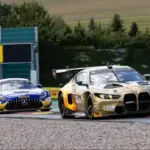
What the McLaren event and the Monaco Historic GP show
Although initiatives like “Drive to Survive” and the Formula 1 film have opened up a new audience – younger and more female – the reality seems more nuanced. New fans do not necessarily carry the nostalgic image of V10 or V12 engines, but that does not have to be a contradiction.
This was recently evident at two events: the Historic Grand Prix in Monaco and a McLaren show run in Miami. The latter attracted several thousand people to Coconut Grove on Wednesday evening. Bruno Senna drove Ayrton’s 1991 McLaren, Emerson Fittipaldi sat in the M23, and Mika Häkkinen did laps in his 1999 world championship car. The current drivers were also involved: Oscar Piastri drove Lewis Hamilton’s 2008 car.
A large part of the crowd consisted of younger fans who visibly enjoyed the history and the impressive sound. Piastri joked on stage: “Hopefully everyone’s ears still work!” The sound, just like the cars themselves, received loud applause.
While the show must be good and the new audience may have a greater appetite for action – similar to scrolling through Instagram or TikTok – this does not necessarily mean electrification or “jo-jo racing.” It almost seems like a counter-argument to defend the current regulations, which are partly the result of demands from car manufacturers.
FIA: A V8 would not scare off “Netflix fans”
If Formula 1 were to decide for the next rule cycle, for example, on a V8 with sustainable fuels and a smaller electric component while maintaining the positive aspects of the current regulations (smaller cars, lower weight), the show could only benefit – not only for purists but for the entire fan base.
Tombazis also confirmed this when asked whether the sound of a V8 could scare off the “Netflix fanbase”: “No. It is always easy to reduce noise if you have too much of it. The opposite is more difficult – to increase it if you have too little. When we occasionally let old cars run on a Grand Prix Sunday morning in the past, it triggered certain emotions in many people, and I don’t think that will be a problem.”
- MotoGPRed Bull and Monster: MotoGP sponsorship is being reshuffled
- Formula 1Lightning threats: Why Formula 1 cannot/must not race during thunderstorms
- DTM“Like a married couple”: “Grello” ace Preining loses chief engineer
- Formula 1Newey on Imola 1994: “The biggest memory is the sirens”
Exactly that has been observed in recent weeks. The reality, however, is that profound changes are not possible in the short term, not least because of the investments of teams and manufacturers. Therefore, it will take time, and it is logical that the current rules are defended. But the past weeks have shown that a different direction for the future does not necessarily have to meet resistance or divide the fan base.
Read more David Coulthard responds to manipulation allegations against FIA