





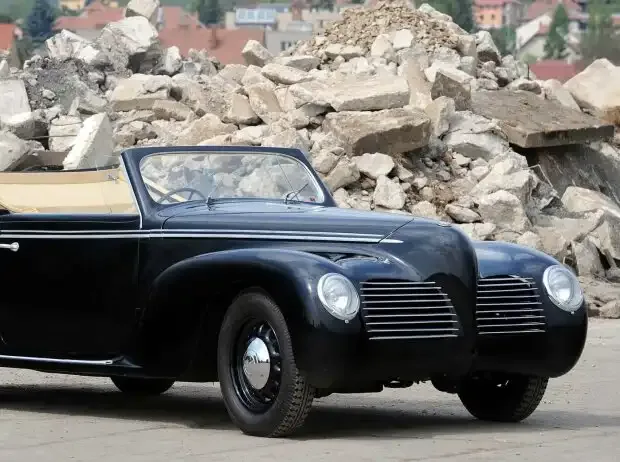
(Motorsport-Total.com/Motor1) – The Alfa Romeo 6C 2500 Cabriolet is one of the last testaments to Italian automotive art in its purest handcrafted form. With a 2,443 cm³ inline six-cylinder engine, double overhead camshaft, around 87 hp (approx. 64 kW), and independent suspension, it embodies the most technically advanced state of the entire 6C family and stands at the end of a long, consistent development history.
Read more 24h Nürburgring 2026: Entry list with 161 participants and GT3 boom
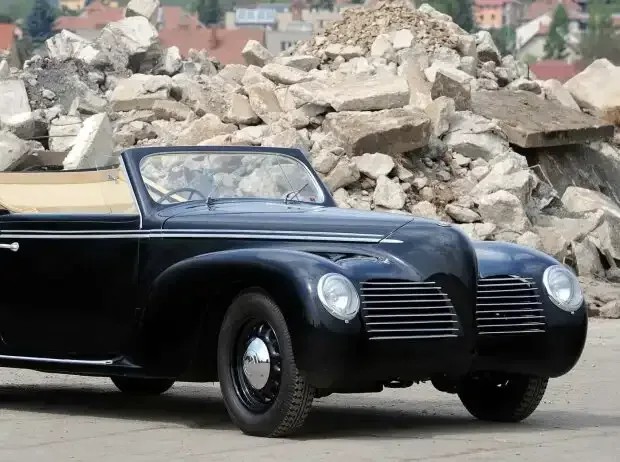
Elegant in form, individual in execution, and created for a discerning clientele, it combines a sporty character with the claim of a true luxury automobile.
From the racetrack to the road
To understand the significance of the 6C 2500, it is worth looking at the roots of the concept overseen by Vittorio Jano. In 1925, the 6C 1500 debuted first, designed as a comfortable touring car but closely linked to motorsport from the start. From this base, a remarkable development series emerged in the 1930s through the 1750 and 2300 versions, distinguished by an excellent power-to-weight ratio and exceptional reliability even in racing use.
Photo series: Alfa Romeo 6C 2500 Cabriolet Superleggera by Touring (1939)
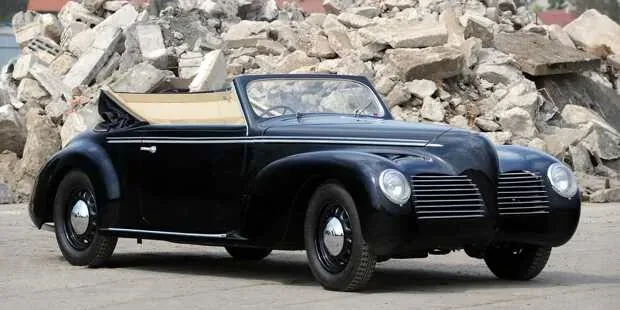
In 1939, the 6C 2500 celebrated its premiere as the crowning achievement of this development. As the last Alfa Romeo with a separate frame, it is also one of the last great stages of individual coachbuilding. Houses like Carrozzeria Touring, Pininfarina, and Boneschi each produced their own interpretations, making almost every example unique. The design language of the 2500 marks a stylistic transition: the more abundant forms of the 1930s give way to a calmer, clearer design that already hints at post-war design.
Read more I’m a rule keeper — Get me out of here!
The odyssey of the convertible
Among the rarest variants is the five-seat convertible with Touring bodywork from 1939, of which only a handful of examples were made. Its history reads like a novel: confiscated during the war in Hungary, the vehicle reappeared after the war in Brno. After recovery and several changes of ownership, it came into family possession in the 1970s, where it was carefully preserved for decades and retained its authenticity to a remarkable degree.
In 2006, the car underwent a complete, thoroughly documented restoration, during which all original parts, including the engine, were preserved. The example shown here is now considered one of the most significant of its kind. It stands not only for the technical maturity of the 6C 2500 but also for the durability of a car that has survived eras, wars, and industrial upheavals without losing any of its original identity.
Read more Every beginning is hard: The first victories of Formula 1 racing teams