



(Motorsport-Total.com/Motor1) – Volume models like the RAV4 and the Corolla will hardly get our pulse racing, but these enormously successful series are real money-making machines for Toyota. Fortunately, the Japanese automotive giant is not run exclusively by statisticians as is often the case in other corporations.
Read more WRC Rally Paraguay 2026: Pajari makes history with hat-trick
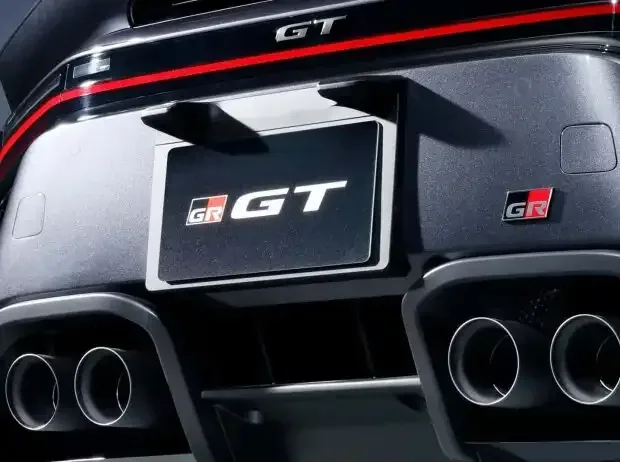
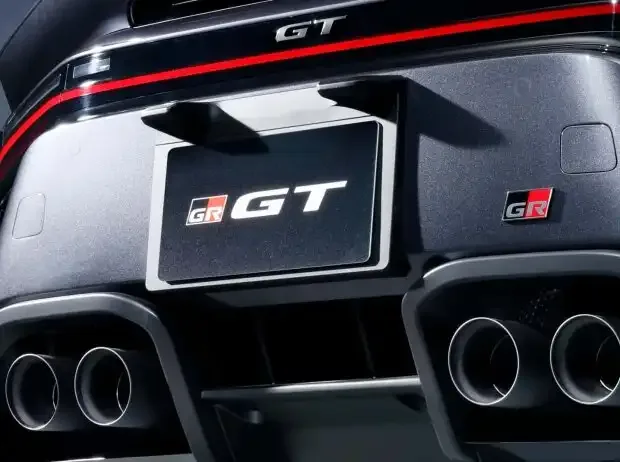
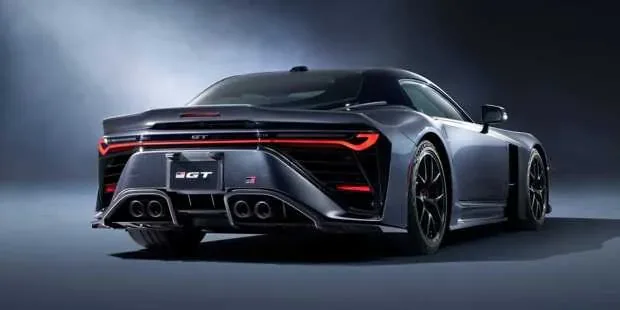
Not every model in Toyota’s extensive portfolio plays it safe and puts profit above all else. One example is the new GR GT: even the Japanese admit that the supercar “makes no financial sense.” This surprising statement comes from Andrew Gilleland, Senior Vice President of Automotive Operations at Toyota.
In an interview with The Drive, he explained that the GR GT shows what the company is capable of when fewer financial constraints come into play. The new track tool with a V8 engine perfectly embodies Akio Toyoda’s “no more boring cars” motto, who served as CEO from 2009 to 2023 before taking over as Chairman.
The mid-engine sports car also marks a new positioning of Gazoo Racing as an independent performance brand. Both the road car and its pure racing counterpart forgo Toyota logos and instead carry GR badges. Despite the questionable business case of the GR GT, Toyota wants to expand the range of sporty models downward with more vehicles.
Will Celica and MR2 return?
According to Autocar, both Celica and MR2 are set to return. Toyota has been testing a new 2.0-liter turbo engine for some time, but confirmation of which models will use the unit is still missing. According to reports from the British magazine, the revived MR2 is to be powered by this four-cylinder with the codename “G20E.” The engine would be located directly behind the seats. Engineers are aiming for more than 400 hp for road vehicles, while the open racing versions may produce more than 600 hp.
Photo gallery: Toyota GR GT (2027)
For the Celica, it makes sense to use a variant of the same four-cylinder in a front-engine concept—as a more affordable performance model. The GR Yaris M Concept is the driving proof that Toyota is working on a powerful 2.0-liter engine. This could replace the 1.5-liter three-cylinder currently delivering around 300 hp in the hot hatches GR Yaris and GR Corolla.
Read more IndyCar Milwaukee 2 2026: Mick Schumacher misses new best result
Looking at the large number of niche models from a business perspective, this does not seem very sustainable. Recently, Toyota’s new CEO Kenta Kon said the company already has too many models. Financing fun projects while simultaneously aiming to streamline the model range seems extremely contradictory—especially at a time when the rapid rise of Chinese brands can no longer be ignored.
For that alone, Toyota deserves recognition. Many manufacturers talk about wanting to keep fun cars, but few act as consistently as the Japanese. The calculation may not be perfect, but in terms of brand emotionalization, freedom in development, and customer loyalty, it might well be.
And we haven’t even mentioned that the Supra is also expected to return sooner rather than later. GR versions of the next generation Yaris and Corolla seem certain. After all, their business case can be more easily justified based on volume models. The GR range could therefore become pleasantly diverse in the coming years, and it is a lot of fun to follow this development.
The volume models in the test:
Toyota Corolla Touring Sports (2026) in test: All taxi or what?
Toyota RAV4 (2026) in first test: SUV bestseller reloaded
Read more Winward-“Mamba” wins GTWC Endurance title for Mercedes-AMG
Sources: The Drive, Autocar