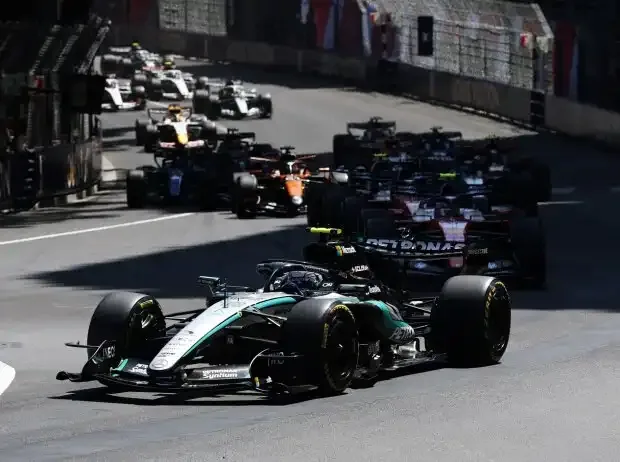





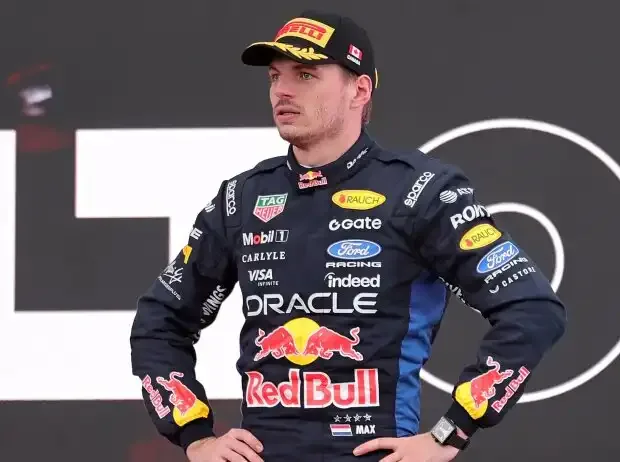
– The future of Max Verstappen in Formula 1 could suddenly depend not only on Red Bull or his own career plans – but on a bitter power struggle behind the scenes between the FIA, Ferrari, Audi, and the engine manufacturers.
Read more Dall’Igna criticizes: «MotoGP is no longer just sport, but also a show»
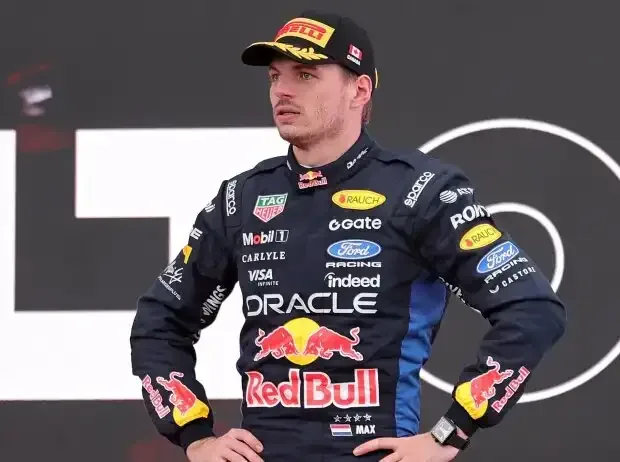
Actually, the direction seemed clear recently. Between the Miami and Canada Grand Prix, the FIA announced a so-called “principle agreement” to adjust the controversial engine rules from 2027. The goal was to shift the balance between combustion engine and electric power more in favor of the classic combustion engine.
Specifically, the combustion engine’s power was to increase by 50 kilowatts, while the share of electric energy would be correspondingly reduced. The power ratio would thus shift from almost 50:50 to approximately 60:40.
For Verstappen, this would have been a decisive step. The Dutchman had sharply criticized the engine regulations several times in recent months and even called the new technical formula “anti-racing”: too much lift-and-coast, too strong battery management, and races that resemble energy saving more than full throttle.
Accordingly, Verstappen initially reacted positively to the FIA plans. “This definitely goes in a very positive direction,” the world champion said on Thursday in Montreal. “This is actually the minimum of what I had hoped for.”
Verstappen indirectly questions future
Particularly explosive: Verstappen openly hinted that the decision on the engine rules could have a direct impact on his own future. “It’s not about whether I have a good car or not,” he explains. “It’s about the product.”
And exactly this “Formula 1 product” must improve. “If these changes come, the fun will automatically increase again,” says Verstappen. But this plan now threatens to fail.
Because while Mercedes and Red Bull-Ford already support the changes from 2027, Ferrari, Audi, and apparently also Honda oppose a quick implementation. Instead, they prefer a postponement to 2028. The reason is an explosive mix of costs, political influence, and possible competitive advantage.
Big setback for Russell: Does missing Canada cost the championship? | Race F1 Montreal 2026
Because a stronger combustion engine power would not only require changes to the power units themselves but also adjustments to the chassis, cooling, and fuel management. Especially for new manufacturers like Audi, this would mean additional millions in investments. Internally, a figure of around ten million dollars in additional development costs is already circulating.
Ferrari and Audi slow down the FIA
Above all, Audi is said to be massively resisting an introduction from 2027. The factory entry is based on the current rules – and additional investments are apparently difficult to justify internally. Although Audi supports the general direction of the FIA, it rejects the tight schedule.
But Ferrari apparently also pursues its own interests. At the center is the so-called ADUO system of the FIA – a special catch-up mechanism for engine manufacturers with performance deficits. Teams with weaker power units receive additional development time and budget scope.
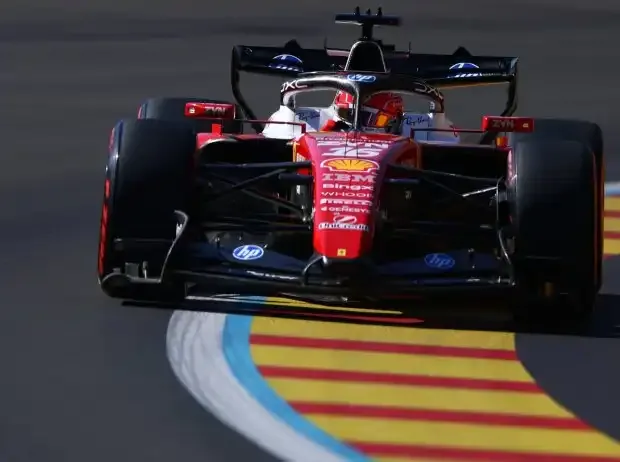
Here, Ferrari apparently fears disadvantages compared to Mercedes. The Scuderia has publicly emphasized for weeks how large the gap to Mercedes currently is. Charles Leclerc even went so far in Canada to claim that even the Red Bull engine has more power than Ferrari.
Read more The Citroen 2CV is making a comeback: Here is the first photo
Within the FIA, this public lobbying is apparently increasingly causing frustration. Because the ADUO regulations are based on clear performance data – not on political statements in the media.
At the same time, Honda is also in a dilemma. Publicly, the Japanese manufacturer basically supports the planned direction of the FIA, but internally Honda would also urgently need additional development freedoms.
FIA desperately fights for compromise
During the Canada weekend, FIA Formula sport chief Nikolas Tombazis apparently tried intensively to mediate between the camps. But so far without a final breakthrough. Because without the necessary majority, the changes cannot be implemented.
And exactly that could have far-reaching consequences – also for Verstappen. “If everything stays like this, next year will be very long,” the Dutchman warned after qualifying in Montreal. “Mentally, that is absolutely not feasible for me.”
What do the data in Canada tell us, Kevin Hermann? | Data analysis LIVE F1 Montreal 2026