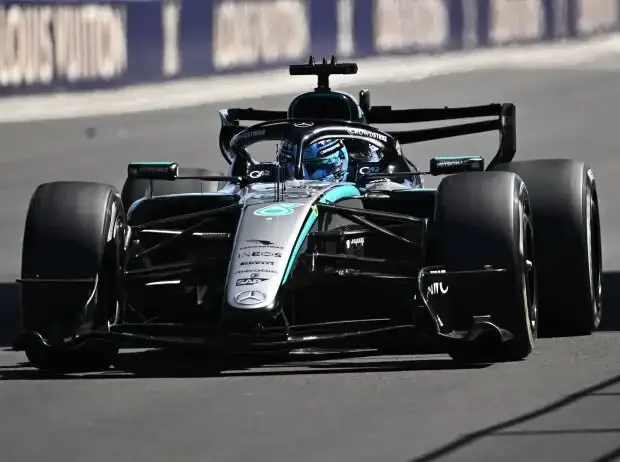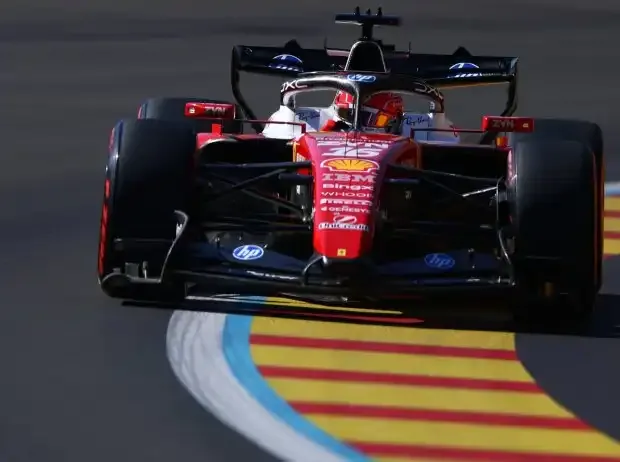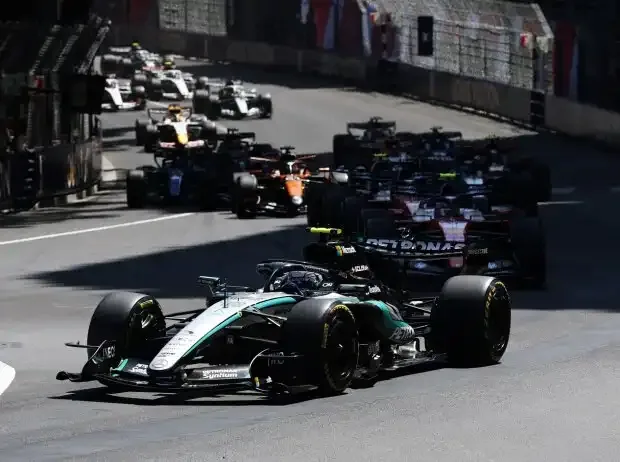


– After the dull transfer market before the current Formula 1 season, in which nothing happened except for an internal restructuring in the Red Bull teams (and of course the entry of Cadillac), many had expected significantly more movement for 2027 – also because there would no longer be any uncertainties regarding the new regulations.
Read more Marc Marquez shows the unvarnished image of his right arm
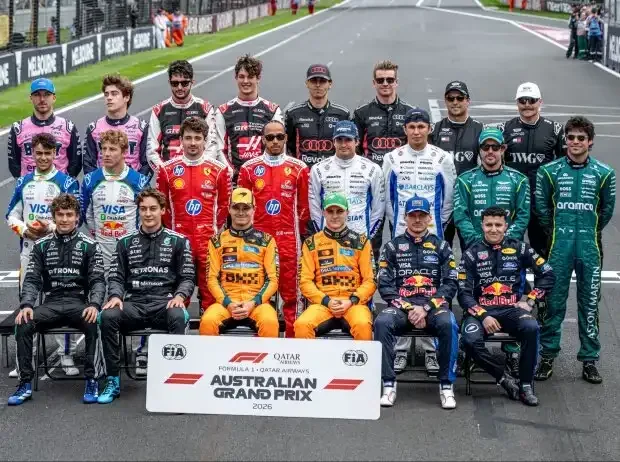
But the reality looks different. Presumably, even less will happen in the driver market for the coming year because it is expected that not even Red Bull will shuffle drivers around. Only the Haas cockpit of Esteban Ocon currently seems to be really at risk. Everything else seems unchanged, even if some cockpits are not yet set in stone.
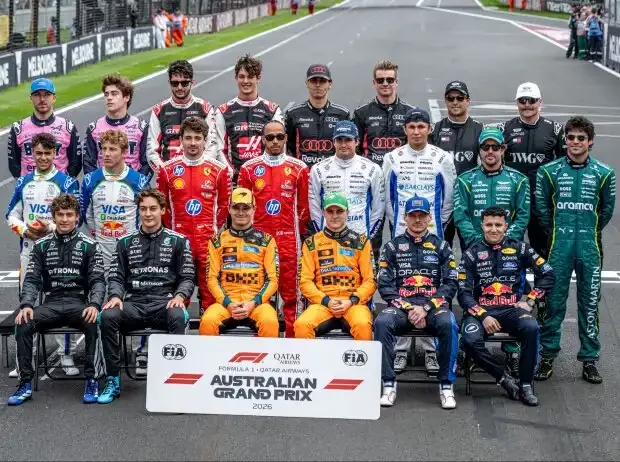
The Formula 1 driver market is more static than ever. Ferrari, Mercedes, Williams, Audi/Sauber, and Alpine are all entering their third unchanged season (okay, for Alpine you have to subtract half a year), and at McLaren and Aston Martin the driver pairing will probably remain unchanged even in the fifth year.
And the fact that something will change at Haas in the third year is currently based only on observations, as team principal Ayao Komatsu has not yet made a decision about who will be Oliver Bearman’s teammate in 2027.
Remaining are newcomers Cadillac, for whom no long-term statistics can yet be shown, and the two Red Bull teams – with Max Verstappen being the king of stay-at-homes there with twelve seasons by then.
But why is the market so static this year?
Prefer experience over rookie risk?
There are several reasons for this, and it is worth looking back to the last time this was the case between 2023 and 2024. In that situation, there were no changes between the end of the 2023 season and the start of the following one, although Daniel Ricciardo returned to the field in mid-2023 replacing Nyck de Vries.
The public perception (or at least the one fueled by certain media) was as follows: Teams were somewhat reluctant to start with less experienced drivers in ground-effect era cars.
Oliver Bearman’s brilliant performance as a short-term replacement for Carlos Sainz at Ferrari at the 2024 Saudi Arabian Grand Prix seemed to change some opinions, as he adapted incredibly quickly and finished seventh on a very demanding track.
However, it is hard to believe that this is the whole truth. Although there are no more free test sessions and it is very difficult for younger drivers to gain track time in current machinery, they have probably never been better prepared.
Junior programs train drivers intensively from a young age so that when stepping into Formula 1, they have already internalized how to work with engineers. Simulator runs and tests with previous year’s cars offer opportunities, and mandatory FT1 runs for rookies can provide a stage on which to stake claims for a future Formula 1 cockpit.
Photo gallery: The Formula 1 rookies of the past 22 years
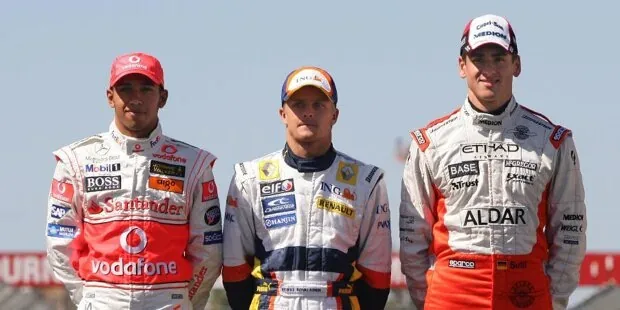
These alleged fears of young drivers were at best unfounded and do not stand up to scrutiny, especially since Oscar Piastri entered the business in 2023 at Ricciardo’s expense.
One of the arguments at the time might have been seen at Haas when Mick Schumacher was replaced by Nico Hülkenberg. That was a direct upgrade over a driver who had been clearly outperformed by Kevin Magnussen in 2022. However, it was not a lack of trust in young drivers as a whole, but simply in that particular driver.
Let’s also not forget that the driver market for 2025 had a whole bunch of newcomers: Bortoleto, Hadjar, and Kimi Antonelli were among those thrown into the deep end for the first time. So this “fear” of new drivers does not apply this time either.
Drivers have significantly longer careers
The causes of static driver markets are diverse. One of them is the longevity of the drivers: For a long time, the age of 40 was considered an absolute expiration date for a driver; anyone approaching their mid-thirties might as well have gotten a stairlift and a nightlight for the bathroom.
Today we have drivers aged 45, 41, and 39 who are still highly motivated and delivering on track.
Advances in sports science and fitness have enabled the biggest stars to continue shining, even though they are approaching what many would consider the eve of the end of their careers – although Alonso still has some way to go to reach Kazuyoshi Miura, the oldest professional footballer in the world (who at 59 still plays in Japan’s third league).
Photo gallery: Formula 1 drivers with the most seasons for a team
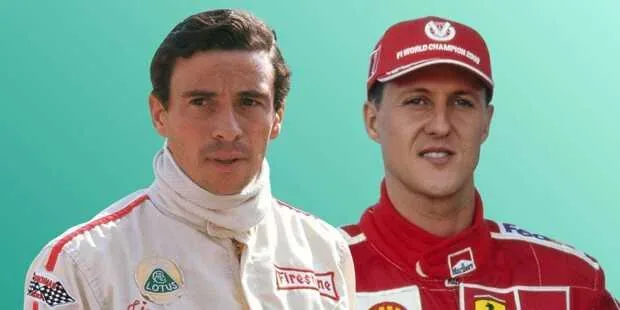
Football greats Cristiano Ronaldo and Lionel Messi played in this year’s World Cup at 41 and 39 years old respectively, although Ronaldo nowadays operates with significantly less running strength …
Read more Advice from Tennis Legend: How Antonelli Stays Grounded in the 2026 Title Fight
The other reason lies along a similar line: Rookie drivers are generally given much more time by their teams. Former Toro Rosso/AlphaTauri boss Franz Tost once made it clear – perhaps in contradiction to Red Bull’s usual handling of young drivers – that a new driver needs at least three years to show their true qualities in Formula 1.
Drivers today are seen less as pure interchangeable components, and teams like to maintain a certain level of stability to ensure they can get the best out of a driver in the first years of the championship.
Now Jack Doohan might contradict all this after being shown the door at Alpine after only seven races. But it was abundantly clear that Flavio Briatore wanted Colapinto in the car – and his trust in the Argentinian seems to be slowly paying off.
Team affiliation even before Formula 1
However, this is the result of teams being more selective in their driver choices. Junior programs are now the generally accepted path into Formula 1, and the hopefuls in them are continuously analyzed to understand their profile.
Teams have years of data on their young prospects and therefore already have a precise idea of what performance to expect when stepping up to Formula 1.
Success in junior categories is almost secondary in comparison: If a driver for some reason does not get along with the Formula 2 car or has signed with a team that does not have much success in that category, that is okay.
Neither Antonelli nor Bearman had a particularly strong Formula 2 season in 2024, but that did not harm either of them. For those who win the championship and do not make the step up (Messrs Theo Pourchaire and Felipe Drugovich would probably agree), it is certainly frustrating, but the system is not always fair.
Photo gallery: The most promising juniors of the Formula 1 teams 2026
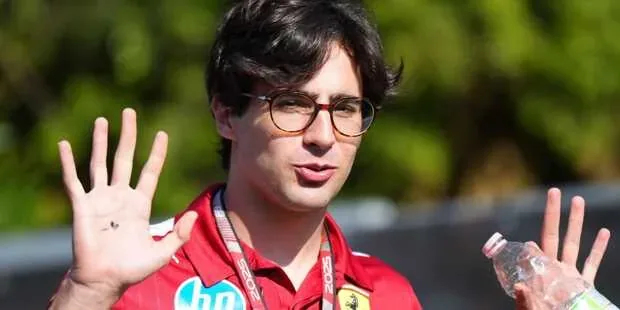
Although Rafael Camara and Nikola Tsolov have been linked with cockpits for 2027, it is also fair to say that the junior categories sometimes simply go through a few seasons in which not many real exceptional talents come through.
Looking, for example, at the 2024 season: Bortoleto won in a field with Hadjar, Antonelli, Bearman, Colapinto, Alpine reserve Paul Aron, and IndyCar driver Dennis Hauger. This year’s field does not quite have the same density.
You can only beat the field in front of you, but there is a small gap between the top 3 (including Gabriele Mini) and the rest of the field – and even then they are occasionally beaten by some of the Formula 2 veterans.
Pay drivers a relic of the past
The financial stability of today’s Formula 1 teams has admittedly taken some of the fun out of the constantly changing driver shuffles in the less well-funded racing stables of the past, when people unabashedly hunted those with the fattest wallets to keep the lights on in the factory.
It does ensure that the field is many times more professional, but one misses the idea that a Jean-Denis Deletraz or Giovanni Lavaggi would arrive with a fat check and a good dose of confidence …
And as mentioned: Let’s not forget that at the beginning of 2025 there was a refresh in the Formula 1 field. It would be nice if there were more opportunities for upcoming talents, but at the end of the day: If a driver is good enough for Formula 1, they will probably make it.
Photo gallery: Top 10: The shortest Formula 1 debuts since 2000
It all depends on what the teams need; most fans were probably not very enthusiastic about Cadillac’s decision to rely on two extremely experienced drivers instead of, for example, Colton Herta – but a new team does not need the additional complexity of bringing a rookie up to speed while trying to establish itself in Formula 1.
The bottom line, however, is: Everyone generally performs well, so why change anything? None of the drivers had a particularly poor season performance-wise in 2026, and even those who went through weak phases were able to recover from the slump.
- Formula 1Why Antonelli’s grid penalty is actually a stroke of luck
- MotoGPMarc Marquez shows the unvarnished image of his right arm
- Formula 1Piero Ferrari explains: How Michael Schumacher still shapes Ferrari today
- Formula 1Teams informed: All F1 races will probably be shorter in 2027
These reasons may cause boring and predictable phases in the driver market, but the time will come when the older drivers (and those who have not shown much so far) make way and make room for the next generation. According to the current status, however, this will not happen before 2027.
Read more George Russell: In Monza «bigger chance» than in the races before