



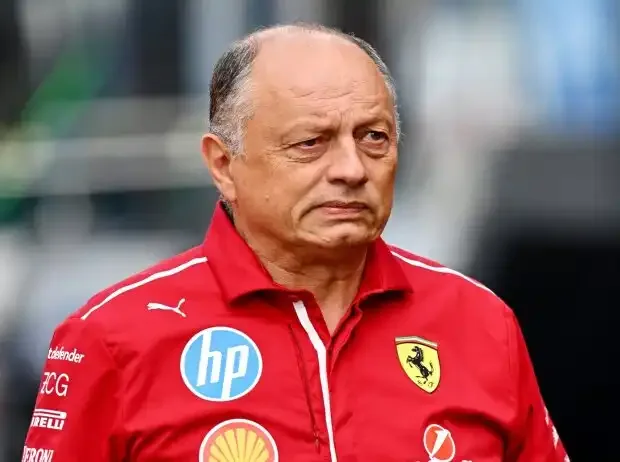
– During the test drives, the new start procedure moved into the spotlight: Because the MGU-H is being eliminated and the turbo lag is thus returning, the start will be significantly more demanding for the drivers from this season onwards, which triggered discussions about safety. Ferrari team principal Fred Vasseur cannot understand this.
Read more “Was known for a long time”: Ferrari team principal surprised by start discussions
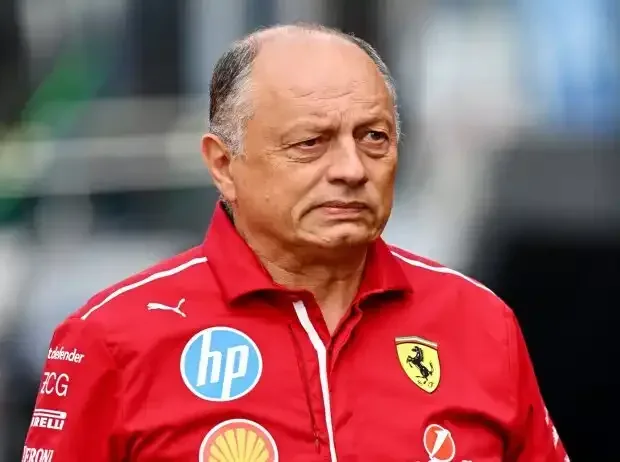
“Without the MGU-H, it was clear that turbo lag would become a factor that needs to be managed – from driveability to race starts,” says the Frenchman in a conversation with Motorsport.com, a sister platform of Motorsport-Total.com in the Motorsport Network. (Advertisement: All Formula 1 races live on Sky)
“That was known from day one,” Vasseur says, showing his surprise. “When evaluating decisions in the definition of guidelines for a power unit, it’s not just about pure performance, but also about other aspects – and one of them is the start.”
“That’s why we made certain decisions, and the FIA communicated very clearly from the beginning that they did not want to change the start procedure. I was all the more surprised when the topic came up again in Bahrain.”
Vasseur: Ferrari has made “compromises”
Vasseur explains that Ferrari even made “compromises” during development to appropriately take the original situation into account. A risk that, as things stand, has only partially paid off, because an additional five-second display has since been introduced for the starting process.
Q&A before the season start: Ask your questions about Formula 1 2026!
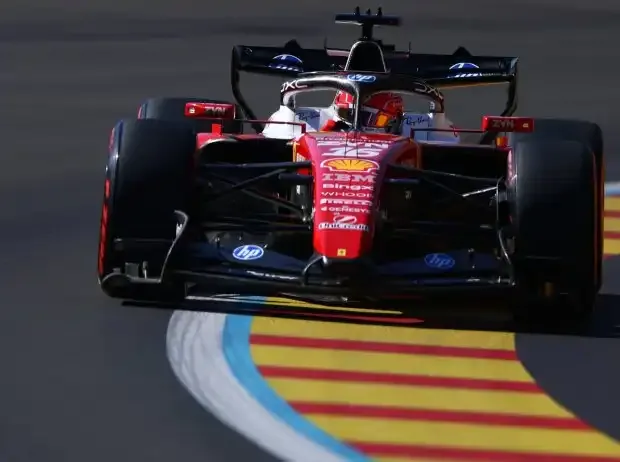
This is intended to inform the drivers in good time and give them enough time to rev up their engines. Nevertheless, the cars with Ferrari engines in the back made a strong impression during the practice starts in Bahrain, with visibly faster acceleration.
Read more Despite war in the Middle East: Kick-off in Australia to take place as planned
The main reason for this adjustment officially remains safety, to prevent dangerous rear-end collisions. “I can say that it is easy to ask a driver to raise safety concerns or similar – but in reality, all of this has been known for a long time,” Vasseur explains.
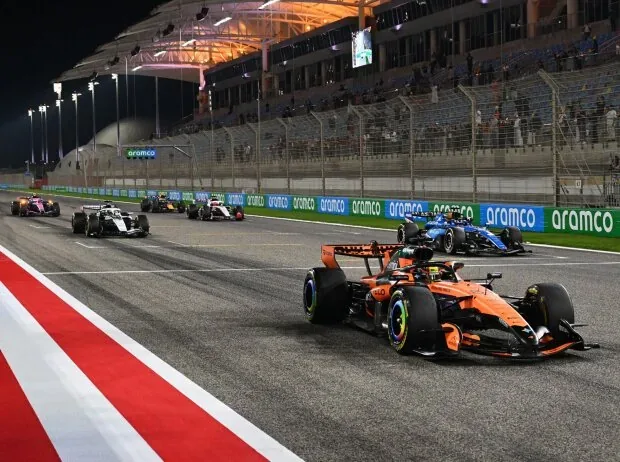
“When designing the engine architecture, you always make compromises: on the one hand, you strive for maximum performance, on the other, driveability,” the Ferrari team principal emphasizes, thereby voicing subtle criticism of the competition. “You have to make decisions.”
Haas team principal sees “no more safety risk”
Haas team principal Ayao Komatsu, whose team also relies on Ferrari power units, evaluates the introduced five-second rule as a functioning solution for mitigating potential safety risks.
“If you look at these practice starts, with the blue light and the five-second sequence – it works really well,” says the Japanese. “If you look at the starts of the drivers involved, they got off the line properly.”
- IndyCarAfter Schumacher collision: Sharp criticism of Sting Ray Robb
- MotoGPWho slept worst last night: Maverick Vinales
- Formel 1Despite Middle East conflict: Formula 1 season opener takes place as planned, but …
- MotoGPRim bent, rear tire broken: What led to the damage for Marquez
“I don’t think that will be a problem. Initially, without these additional five seconds, I would have agreed that there could be a safety risk. But now, with this preparation phase before the actual start, I don’t see any safety risk at all anymore.”
Read more F1 Forecast 2026: Why World Champion McLaren is suddenly chasing again