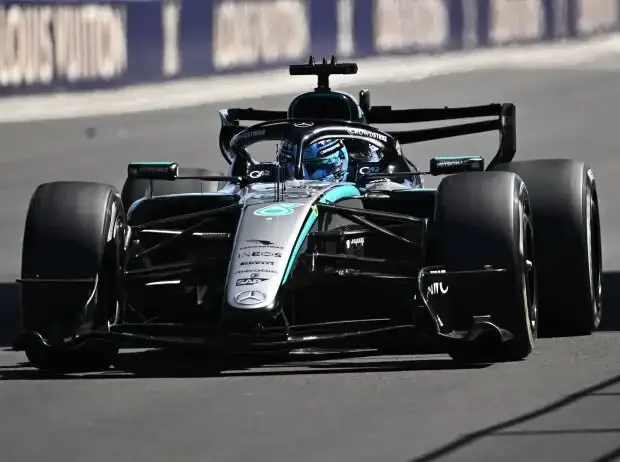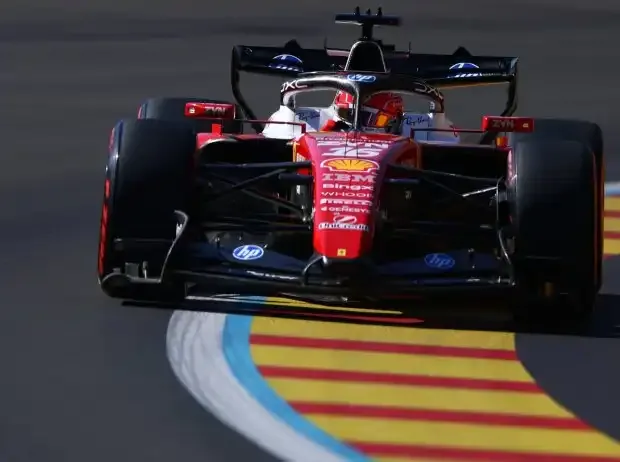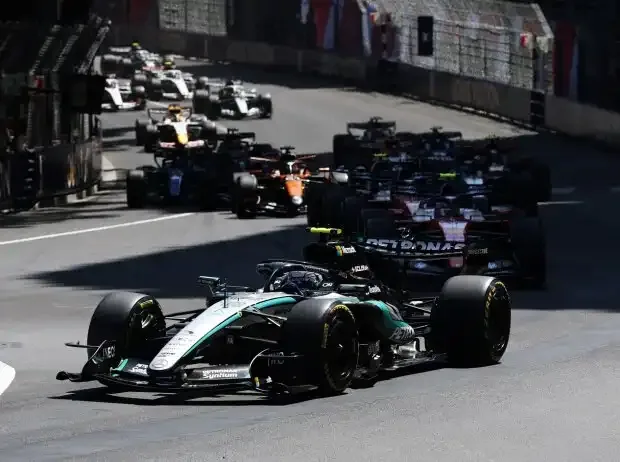


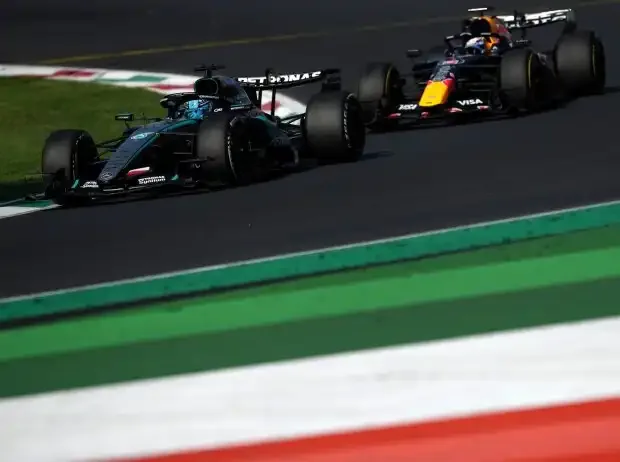
– The Italian Grand Prix impressively demonstrated how much the Formula 1 rules from 2026 have changed racing. On the long straights of Monza, an extraordinary slipstream race developed, where even faster cars could hardly shake off their opponents.
Read more Audi 90 quattro (B3) in review: Luxury sedan with five-cylinder cult
At the same time, drivers often could not defend their position after a successful overtaking maneuver once their energy reserves dwindled. This phenomenon has established itself this season under the term “Yo-Yo Racing.”
The basic idea: A car can relatively easily overtake using the additional electric power from the battery. However, once this energy is used up, it lacks the ability to pull away from the pursuer or defend against a counterattack. This effect was particularly evident in Monza.
For over 53 laps, numerous cars stayed grouped together instead of spreading out as usual. The main reason was the exceptionally strong slipstream on the long straights. This amplified the effect of the electric overtaking mode and allowed even slower cars to maintain contact with the vehicle ahead for longer periods.
Verstappen can follow Russell but not defend
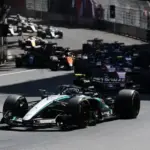
The situation between Max Verstappen and George Russell was particularly illustrative. The Red Bull driver did not have the necessary power to seriously challenge the Mercedes driver for the win on his own.
Nevertheless, Verstappen was able to stay close to Russell for a long time thanks to slipstream and the special energy usage of the new rules. The Mercedes could not pull away decisively. However, once Verstappen found a way past, the Dutchman was hardly able to defend himself permanently.
After the race, Verstappen made no secret that he does not particularly enjoy this type of racing: “Honestly, I didn’t really enjoy it when people just drove past you as if you were a turtle.”
Although the overtaking mode initially looked promising, once he was at the front, the situation fundamentally changed. “Once I was leading, it was very difficult to defend myself,” he explains.
Even a pit stop during the virtual safety car and better tires changed little about that. Verstappen was able to overtake more cars, but as soon as a pursuer stayed in overtaking mode within the slipstream, it was simply too strong to defend against.
Multiple groups create unusual racing
Not only Russell and Verstappen got caught in this slipstream game. Oscar Piastri and Lewis Hamilton initially formed their own group after losing contact with the leading duo mid-race. Lando Norris and Pierre Gasly also found themselves in such a pack.
This partly resembled racing on classic oval tracks. There, drivers often deliberately try to work together and swap the lead among themselves to use the slipstream as efficiently as possible.
On a classic Formula 1 road course, such a tactic is much harder to implement. In the case of Russell and Verstappen, their mutual duel at the front cost both drivers so much time that Mercedes driver Kimi Antonelli was able to spectacularly catch up from behind and even win in the end.
Historic comeback: How Antonelli humiliated Russell | Race F1 Monza 2026
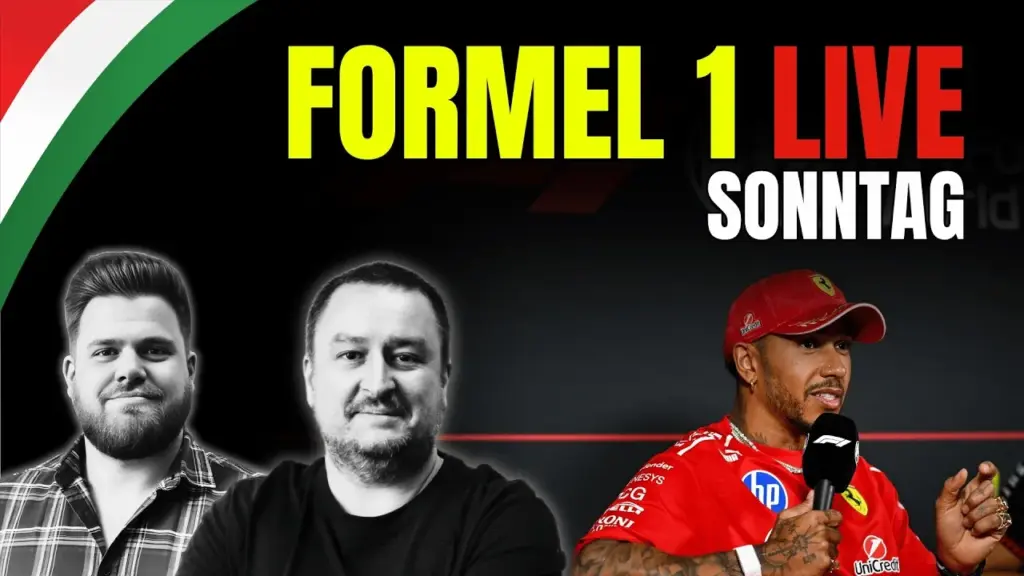
McLaren team principal Andrea Stella sees this as one of the peculiarities of the new rules. “Somehow, with these Formula 1 rules, it’s not easy to complete an overtaking maneuver and then pull away,” he analyzes the conditions.
As an example, Stella cites Norris’ duel with Gasly, as it took a long time for Norris to actually overtake Gasly and then reduce the gap to the cars ahead. Stella considers this an entertainment factor but also a possible problem of the new Formula 1 generation.
“We see that there was certainly plenty of entertainment. To some extent, however, there were also problems for faster cars to assert themselves if you are not right at the front of the grid,” says the team principal.
Read more Sainz expects chaos in Madrid: «We will see safety cars and red flags»
Battery management becomes the defining factor
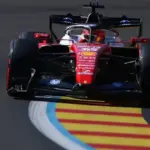
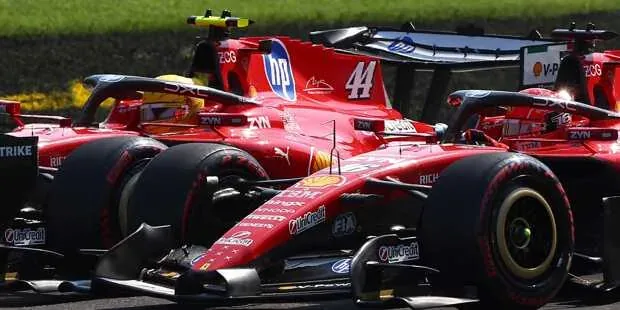
Ferrari team principal Fred Vasseur also observed the effects of the new rules in Monza. From his point of view, the pure race pace was acceptable. “The main problem was the top speed and overtaking.”
For Ferrari, this developed into a cycle: Whoever attacked had to use energy from the battery and then lost the previously gained position on the next straight. “It was almost impossible to attack or defend. When we attacked someone, we discharged the battery and lost the position again on the next straight.”
For the teams, this meant significantly more work than a usual race weekend. According to Stella, McLaren had to specifically align strategy and car setup to this new racing style.
Photo gallery: Monza: Driver ratings by Marc Surer and the editorial team
Above all, managing the combustion engine or power unit and the battery became a central issue on a track like Monza.
“For everyone, it was very, very labor-intensive – for the drivers as well as for the engineers – to manage the power unit and the battery on a track like Monza,” Stella explains the challenge. He even assumes that energy usage has now become the defining factor of racing.
“We see that a faster car combined with the slipstream can actually have difficulty pulling away from a slower car,” he warns. And the effect is by no means marginal.
“Per lap, that can make a difference of up to half a second,” Stella calculates. “It’s the combination of the slipstream and the fact that you have a car behind you against which you have to use the boost to defend, and that causes you to lose a lot of speed.”
For Stella, Monza was therefore a particularly telling test for the new Formula 1 generation: “I think it will be remembered as the race that most clearly showed the impact of the new rules.”
“From an implementation perspective, it required very high quality. I think we showed that. Overall, however, we were not in the fight for the win because Mercedes had a performance advantage over everyone else,” he compares to the Silver Arrows, who claimed the first two places.
Antonelli breaks the Yo-Yo rhythm as the only one
In fact, the eventual winner Antonelli was the only exception to this unusual group racing. The Mercedes driver started only from 19th place but steadily worked his way through the field and was the only driver to move from one group to the next.
Antonelli laid a crucial foundation early in the race. After the restart on lap six, the Italian was already in sixth place. Suddenly, a completely unexpected victory was within reach. Undoubtedly, Antonelli benefited from the superior energy delivery of the Mercedes. But his performance cannot be explained by the better car alone.
While teammate Russell at the front, despite a fast Mercedes, was unable to shake off Verstappen, Antonelli fought his way forward competitor by competitor. The 20-year-old impressed with aggressive but precise overtaking maneuvers and skillful positioning of the car.
Mercedes team principal Toto Wolff sees exactly this as the key to success: “The decisive difference today was the ability to move through traffic.”
Wolff recalls that other great drivers have demonstrated this ability in the past: “Lewis [Hamilton] showed that in some races, just like Kimi today.” He was simply unstoppable. “When driver and car become one, there is nothing that can stop them.”