


– While the debate about the controversial Formula 1 regulations for 2026 continues, the man entrusted with their implementation has now spoken out.
Read more Live on TV and Stream: All info on the broadcast of Formula 1 in Miami
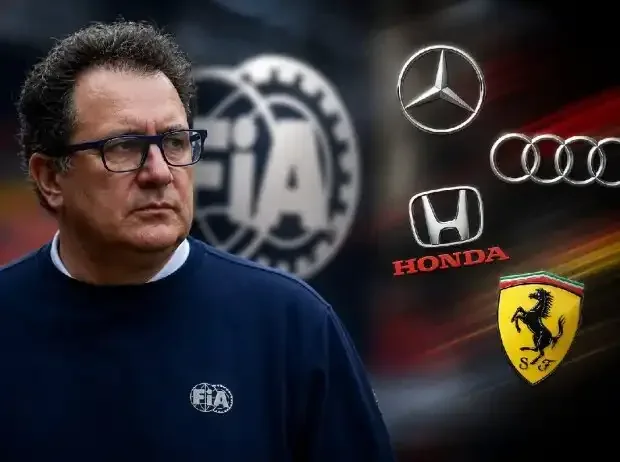
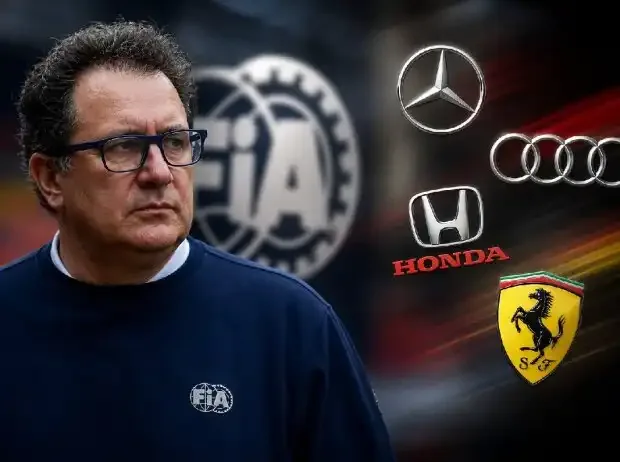
Nikolas Tombazis, FIA Single-Seater Director, did not propose the approximate 50/50 split between electric power and internal combustion engine power that forms the core of the latest regulations, but it was his team that had to translate this concept into a race-ready reality.
This process required every conceivable compromise to overcome the inherent challenges in managing the deployment and charging cycles of this electrical energy.
In a media round with selected journalists, Tombazis, ahead of the Miami Grand Prix, echoed the views expressed by Formula 1 boss Stefano Domenicali in an exclusive interview with Autosport, a sister portal of Motorsport-Total.com within the Motorsport Network.
Without directly blaming the car manufacturers involved, he admits that their market priorities at the time effectively dictated the 50/50 principle.
Formula 1 before restart: Is better racing coming now?
As it is generally accepted that the foundations of the next technical formula must be agreed upon this year, those involved want to avoid another scenario where market priorities change before the rules even come into effect.
“It is true that the political landscape has changed. When we discussed the current regulations, the very committed car manufacturers told us that they would never build a [new] internal combustion engine again,” said Tombazis. “They wanted to phase it out and be fully electric by a certain year.”
“Obviously, that didn’t happen,” he continues. “This is not to underestimate the importance of electrification worldwide, but it did not happen to the extent claimed. Secondly – and this is one of the rarely discussed stories because it is not visible – we opted for fully sustainable fuels. And I think that’s a pretty good result.”
Formula 1 must not become dependent
For the future, however, he wants to protect the sport from such a position: “This means that we must not be held hostage by the decision of car manufacturers as to whether they want to be part of our sport or not.”
Tombazis emphasizes that they “absolutely” want them to be part of the sport, which is why they have worked so hard, “but we must also not find ourselves in a position where we are suddenly vulnerable if they decide against participation. Therefore, we must continue to work on cost reduction.”
Read more Trouble inevitable? Red Bull also hopes for ADUO
Photo gallery: Formula 1 Fails: These rule changes were a flop
When the 50/50 principle was agreed upon in the summer of 2022, the full electrification of automotive industry products was considered more a matter of “when” than “if”. Many governments worldwide were keen to abolish the internal combustion engine by law.
However, the acceptance of electric vehicles is meeting consumer resistance in many markets, and it has become clear that full electrification within the originally envisioned timeframes is not achievable.
In parallel, the development of sustainable fuels has thrown a potential lifeline to the internal combustion engine – to such an extent that many car manufacturers are revising their commitment to electrification.
Regulations 2031: A quick decision is needed
The question facing those who will shape the next technical Formula 1 regulations is: Will the market change again between today and the entry into force of the next rules (currently planned for 2031)?
Making the development and production of power units more cost-effective would not only support the argument at the board level of car manufacturers for remaining in the series but could also open the door for independent manufacturers.
Is racing in Formula 1 a problem? F1 boss Domenicali says this! #Autosport #Racing #F1
As a side effect, this could also reduce the influence of car manufacturers on more detailed aspects of the rules, such as permissible materials within the engines. Reading between the lines, this is an outcome that both Formula 1 and the FIA consider highly desirable.
But: Time is pressing. “If we want to change something for the next cycle, we need to start discussions very soon, because the time required to produce a power unit, an engine, and all these things is quite long,” says Tombazis.
“So it may sound a bit strange to discuss these matters just a few races after we’ve started, but that’s the natural cycle of debate and when it needs to happen.”
Read more Can Miami really be the start of a “new” Formula 1?