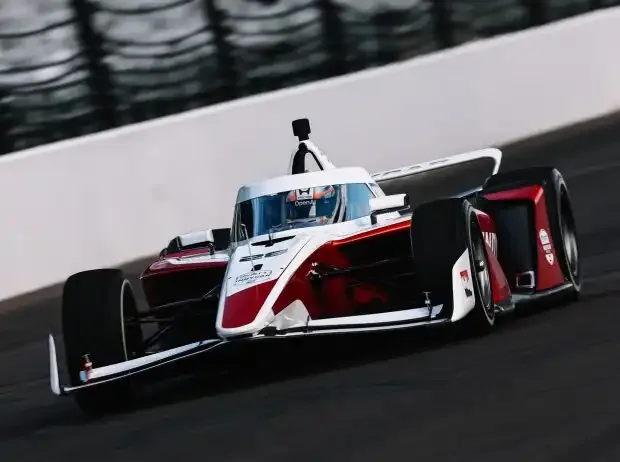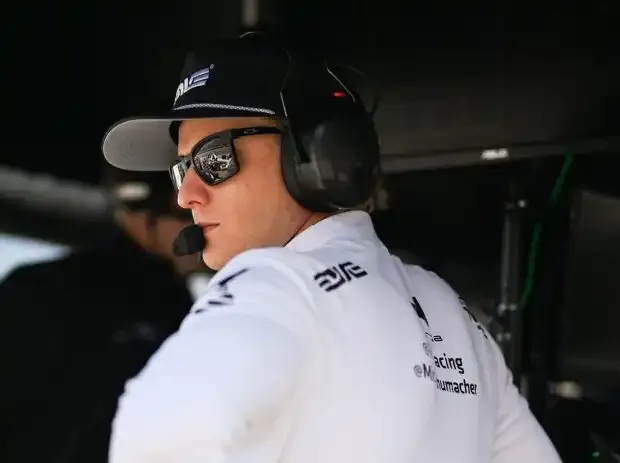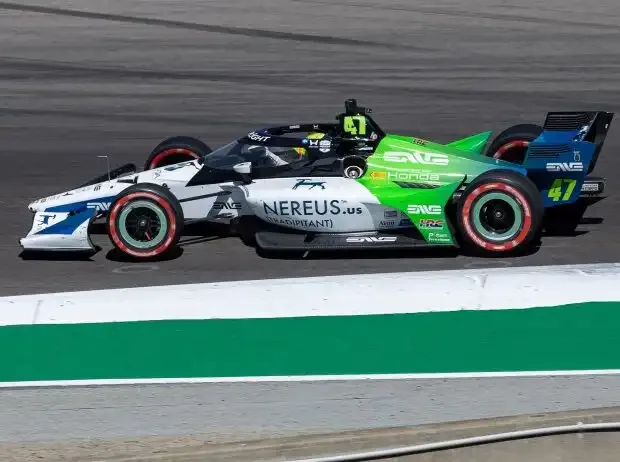


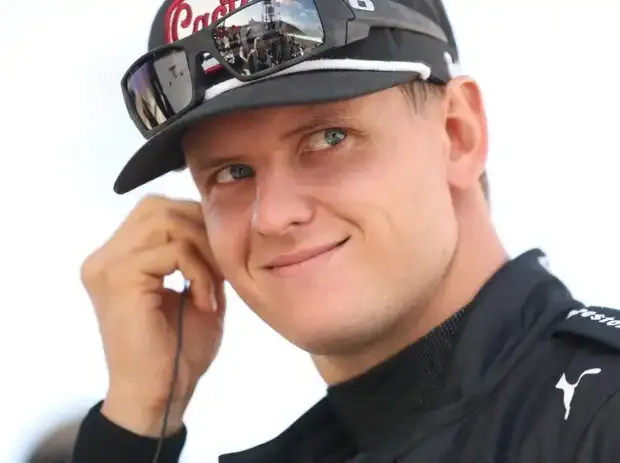
– A racing driver never forgets the first oval race of their career. For Mick Schumacher, Phoenix Raceway was the baptism of fire on a short oval, and even if the raw result doesn’t fully reflect the learning curve, the German looks optimistically toward the big IndyCar highlight in May 2026: the Indianapolis 500.
Read more Red Bull in Formula 1 slump: What is slowing Max Verstappen down

Expectations were high when Schumacher started his first IndyCar weekend on an oval in the Arizona desert. The 25-year-old’s potential flashed particularly in qualifying, where he held his own in the individual time trials. With a consistent performance, he secured fourth place on the grid, which was by no means a given for a rookie on this specific terrain.
Mick passes oval endurance test: Why 18th place is a success! I IndyCar Phoenix 2026
But the dynamics of an oval race are unpredictable, as Schumacher had to learn the hard way. “Qualifying went pretty well. I think we’re quite happy with that. As a team, we managed to put ourselves in a good position,” Schumacher summarizes his first meters in the left-hand turns. In the race, however, the tide quickly turned against him and his team.
A lot of bad luck in Phoenix
“Unfortunately, it was quite hectic in the race, surprising in many ways,” he describes the starting phase. “Unfortunately, the pit stops weren’t ideal, so we ended up one or even two laps down and had hardly any opportunities to get back to the front.” The bad luck stayed with him: “Every time we pitted under green, the yellow phase came right after, which wasn’t ideal.”
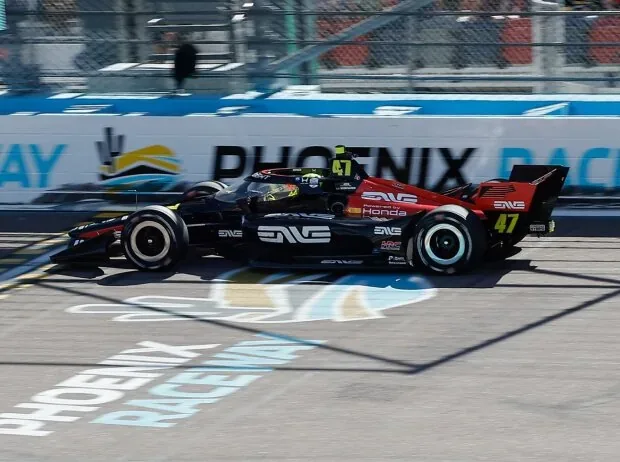
Despite the setbacks, the race was an indispensable experience for Schumacher. A short oval like Phoenix is a physical and mental challenge: At only 1.609 kilometers (one mile) in length with a banking of nine degrees in turns 1 and 2 and eleven degrees in turns 3 and 4, there is hardly any time to breathe.
Read more Renovation on schedule: Buenos Aires gears up for MotoGP comeback
In comparison, the Indianapolis Motor Speedway is a completely different world. The “Brickyard” is significantly longer at 4.023 kilometers (2.5 miles), but has a slightly flatter banking of exactly 9.2 degrees in all four turns. While Phoenix is characterized by aggressive maneuvers and constant steering, aerodynamic efficiency dominates in Indianapolis.
Gigantic oval: Indianapolis and its pitfalls
The dynamics are fundamentally different: In Phoenix, drivers often struggle with dirty air and tire management in a confined space. In Indianapolis, on the other hand, massive slipstream battles develop at speeds of over 370 kilometers per hour, where the timing of the overtaking maneuver decides between victory or defeat. Schumacher is aware that Phoenix was just the warm-up program.
Photo gallery: Mick Schumacher’s results in the 2026 IndyCar season
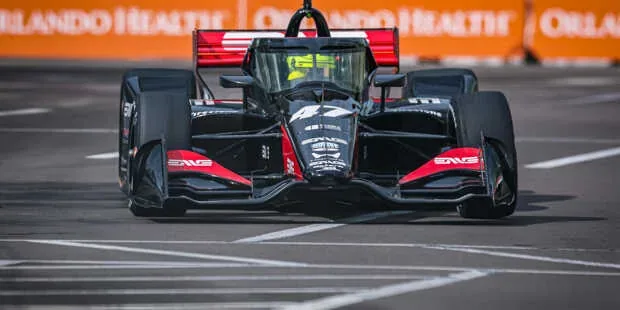
“It was an experience. I think we learned a lot, and now it’s about processing what happened and understanding what we took away from this event to do better next time,” he says combatively. When asked what he can take away for the month of May, he replies: “A lot. I mean, obviously it’s just going to be bigger, and the cars will naturally be a bit faster on the straights than what we had in Phoenix.”
Nevertheless, he sees the parallels that will help him in May: “Nonetheless, I think the overall procedures and some of the approaches to how we had to tackle the corners are similar. Fortunately, we’ll have a whole bunch of days to drive ahead of the Indy 500.” For Schumacher, Phoenix was the theory – Indianapolis will be the master test.
Read more Piastri swaps Formula 1 car for V8 power: “First time with a roof”