








(Motorsport-Total.com/Motor1) – Every classic car fan knows this: An old car not only looks special, it also has a very unique acoustics and above all – it smells. Anyone who has ever stuck their nose into an unrestored pre-war classic or an original East German two-stroke knows that the smell of patina, old oil, horsehair upholstery, and a hint of unburned fuel is irreplaceable. Smells evoke memories, often faster and more intensely than images.
Read more F1 Academy: Susie Wolff on the tough battle behind the scenes
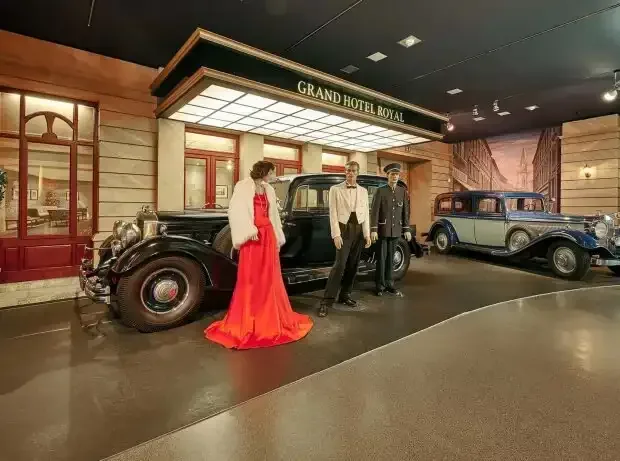
It is precisely this human trait that the August Horch Museum in Zwickau is now using to make its exhibition even more immersive. Usually, museum halls smell more like floor wax, cold steel, and air conditioning. However, in Zwickau, they are taking a different approach. On over 6,500 square meters of space, in addition to more than 160 large exhibits, there are not only visual stimuli and historical sound recordings for the ears but now also something specifically for the nose.
In the past, the museum had already experimented with subtle scenting, but now the olfactory concept has been revised. The goal: The different eras of automotive history should literally be sniffed out.
This already begins in the reconstructed anteroom and office of the automotive pioneer August Horch. Anyone who takes a deep breath here will catch the scent of heavy leather and tobacco. A subtle trick that gives visitors the feeling that the company patriarch has just left his desk for a short meeting in the factory hall.
Photo series: Spearmint, leather, and Intershop: Why this car museum suddenly awakens memories
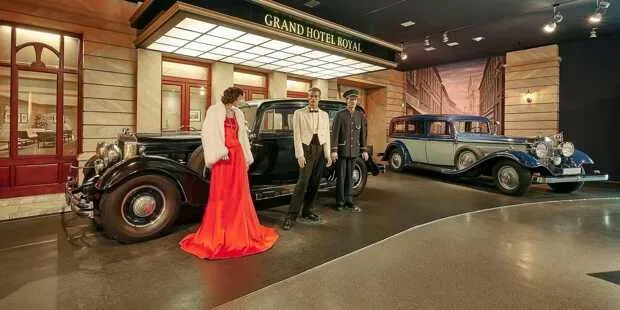
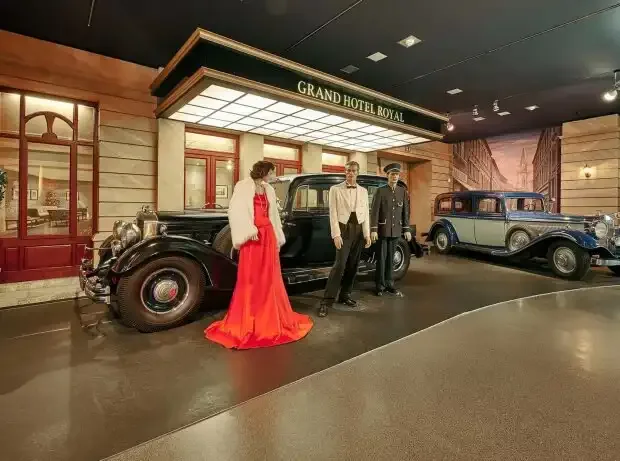
One room further, at the set of the fictional “Grand Hotel Royal,” the atmosphere changes abruptly. Here you breathe in the Roaring Twenties. It smells of a perfume called “French Glamour” – sweet, elegant, and representative of the high society that used to arrive in the outrageously expensive Horch cars back then.
Read more No chance for Kimi Antonelli? Expert warns about Monaco
Particularly exciting and certainly an emotional trigger for many visitors is the post station area. Where stacks of the legendary East-West packages pile up, it smelled until recently of the typical “Intershop” mix. But since this scent is said to be a “discontinued model” according to the museum, the scent is being changed: Soon it will smell here of the coveted spearmint chewing gum strips – the ultimate West souvenir.
Even at the East German dacha, where the automotive leisure culture of the East is celebrated, they use a trick from the box. It smells of freshly cut grass. The only thing missing is the fine blue smoke of a starting Trabant 601, but for health reasons, you have to imagine that in your mind.
Even in more modern exhibition areas, experimentation is underway. Anyone strolling past the Volkswagen area is greeted by the typical new car smell. A harsh but intentional contrast to the leather-and-tobacco charm of the Horch era.
- 24h NürburgringFifth place! Why the M3 Touring was even faster than the M4 GT3
- 24h NürburgringVerstappen retirement: Bad luck or result of tough tactics at 24h Nürburgring?
- Formula 1Monaco 1996: How an outsider made Formula 1 history with Ligier
- IndyCar“Useful damper tests”: How Mick Schumacher helps with RLL development
For classic car fans, the August Horch Museum is a must-visit anyway, but automotive history that you can not only see but also smell is quite unique in this form and another reason to take a trip to Zwickau.
Read more Italo-Hypercar: Kimera K-39 with Koenigsegg V8 and 1,000 hp