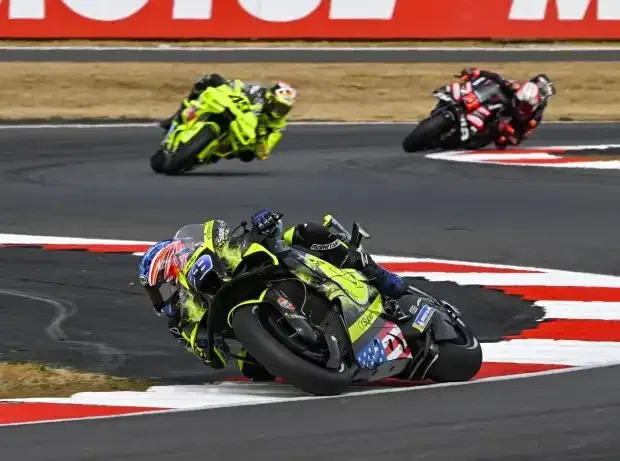
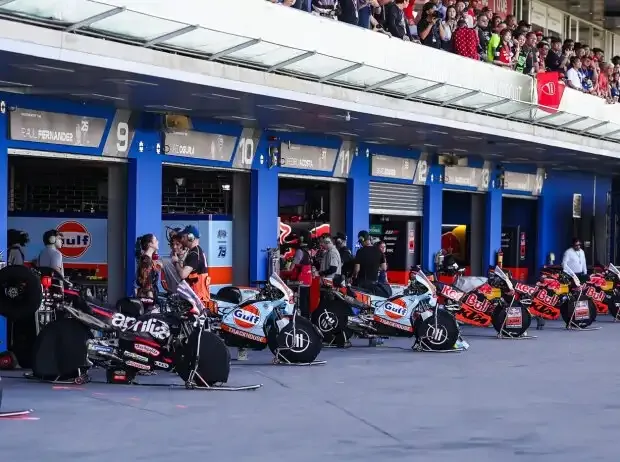
– MotoGP is not only the highest class of motorcycle racing but also a complex economic ecosystem. Behind every team are clear ownership structures. However, these differ significantly between factory teams and the so-called satellite or customer teams.
Read more Le Mans Ultimate: V1.4.1.2, Easy Anti-Cheat update and V1.4.1.3 are available
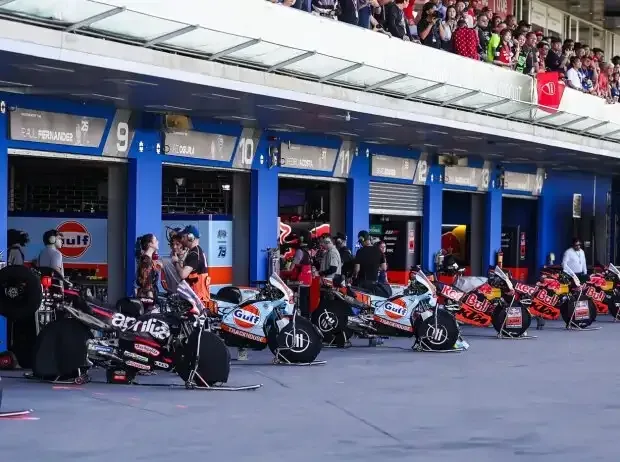
In the factory teams, the situation is clear: they are fully owned by the manufacturers themselves. These teams are an integral part of large industrial companies and serve both as a development platform and a marketing tool.
Honda HRC Castrol is directly owned by Honda. Decisions about riders, technology, or personnel are ultimately made within the corporation. It is similar with Monster Energy Yamaha MotoGP, which is fully owned by Yamaha.
European manufacturers also follow this model: The Ducati Lenovo Team is part of Ducati, which in turn belongs to the Audi Group. Aprilia Racing is owned by the Piaggio Group, while Red Bull KTM Factory Racing belongs to the Austrian manufacturer KTM, now owned by the Indian corporation Bajaj.
Photo series: The motorcycles and teams of the 2026 MotoGP season
In all these cases, the “boss” sits on the company’s board. Team managers and sporting directors handle day-to-day business, while strategic control lies with the corporation.
Satellite teams: Own owners, but close dependencies
It becomes more complex with non-factory teams. These are legally independent companies, often founded by former racers or entrepreneurs. They have clear owners but are technically and economically closely tied to manufacturers.
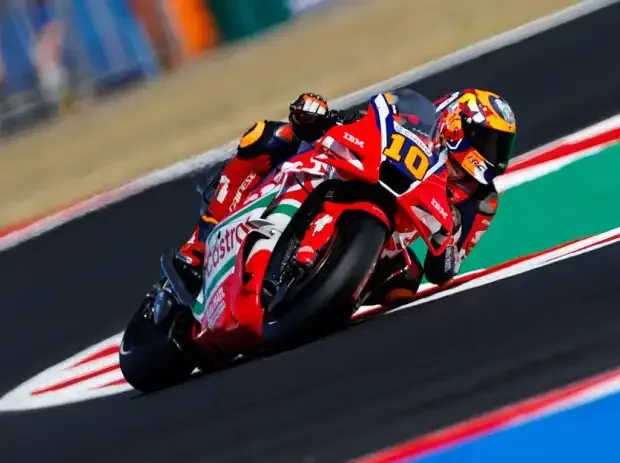
A classic example is LCR Honda. The team is fully owned by former rider Lucio Cecchinello, who also holds operational control as managing director. Despite this clear structure, Honda supplies the motorcycles and has significant influence on technical decisions and partly on rider selection.
Gresini works similarly. After the death of Fausto Gresini, the team remained family-owned. Today, Nadia Padovani runs the business. Ducati provides the machines but holds no shares. Sporting and economic responsibility clearly lies with the team management, but within a close technical framework.
Another example is Tech3, one of the most traditional private teams in the paddock. Founded and long led by Herve Poncharal, Tech3 remained a classic independent racing team for decades, initially closely connected with Yamaha, then KTM.
Read more iRacing Arcade: Now also on PS5 and Xbox Series X|S plus major content update for PC
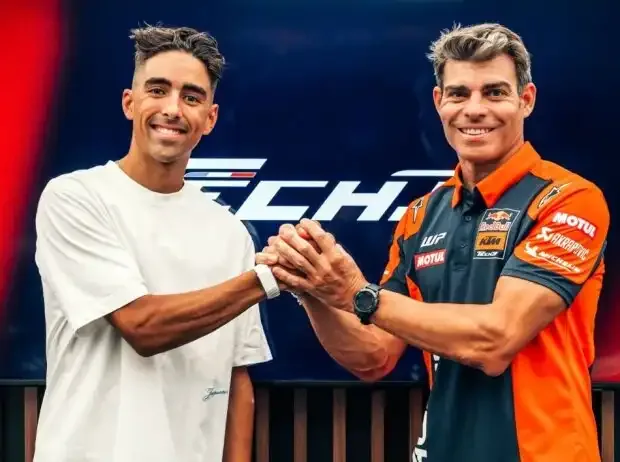
With Günther Steiner’s entry in 2026, the structure has expanded: he took over the team. This marks the first time an internationally experienced motorsport manager is involved at the owner or investor level.
Hybrid models: Industry, sponsors, and owners
Some teams clearly show how much the structures have changed in this MotoGP era. Classic ownership models meet industrial partnerships.
Pramac Racing belongs to the Italian company Pramac. The team boss is Paolo Campinoti, who is also CEO of the parent company. Formally, he is the “top boss,” but practically the team works extremely closely with Ducati and partly acts as an extended arm of the factory team.
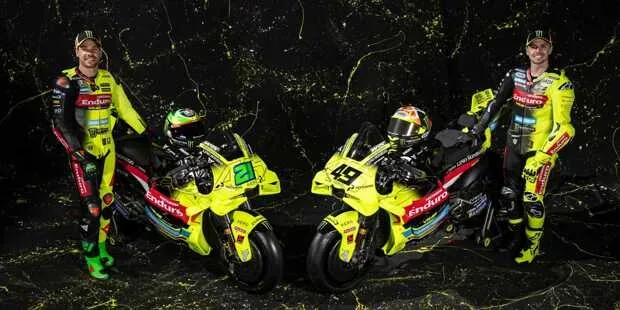
Another prominent example is the VR46 Racing Team. It belongs to Valentino Rossi’s corporate structure. Alessio Salucci runs the team operationally, but Rossi remains the strategic head in the background. Ducati also supplies the technology here.
Photo series: Repsol, Marlboro, Movistar: Legendary sponsors of MotoGP teams
It becomes more international with the Trackhouse Racing MotoGP Team. The team belongs to the US organization Trackhouse Racing led by Justin Marks. Although Aprilia supplies the motorcycles, the team is economically independently organized – a model that reflects the entry of external investors into MotoGP.
Who really has control?
Even though satellite teams have clear owners, their decision-making freedom is limited. Manufacturers not only supply the motorcycles but often influence technical developments and personnel decisions. At the same time, sponsors secure a large part of the financing and exert indirect pressure.
Added to this is the overarching role of the MotoGP Sports Entertainment Group (formerly Dorna), which as the rights holder sets the economic framework conditions.
- Formula 1Formula 1 live ticker: The race in Zandvoort live!
- Formula 1Despite Formula 1 interest: Why Zandvoort pulls the plug after 2026
- Formula 1Zandvoort Saturday in analysis: Russell wins the sprint, Norris on pole
- Formula 1Alexander Albon tells of a curious encounter with Verstappen in Sardinia
The result is a finely balanced power structure: the owner of a team is formally the “boss,” but central decisions usually arise from the interaction of several actors. The rule for all is: to be successful in MotoGP, you need not only a strong owner but also the right partners.
Read more RaceRoom: V0.9.8.14 with HUD and driving physics improvements plus two track upgrades